CURRENT AFFAIRS | MAY 5, 2026
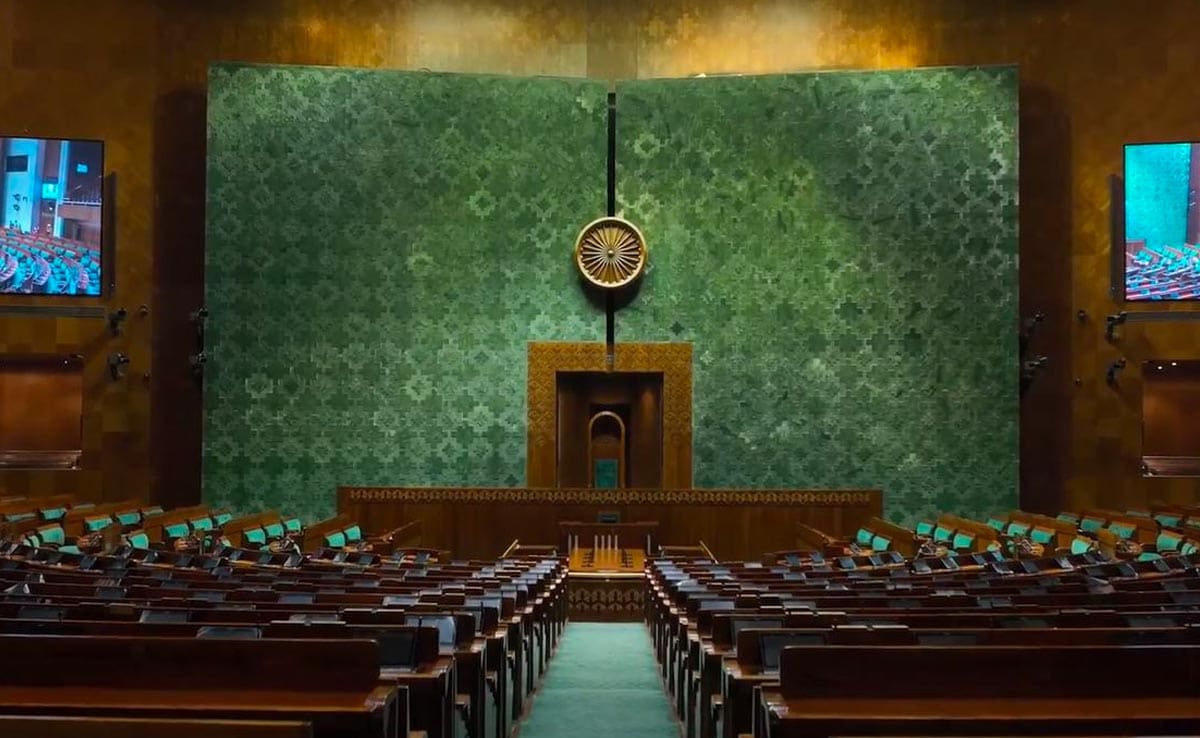
The Lok Sabha on 5 May 2026 negatived the Constitution (One Hundred and Thirty-First Amendment) Bill — a measure that sought to lift the long-standing freeze on Lok Sabha seat reallocation following the post-2026 census. The Bill failed to muster the special majority required under Article 368(2), reigniting one of the most consequential federal debates in Indian constitutional law: how to balance population-based representation against the equity claims of demographically restrained states.
What Happened
The Bill was put to vote and rejected. Under parliamentary procedure, “negatived” denotes a bill that has been put to a division and failed to secure the requisite majority — in this case, the special majority under Article 368(2): two-thirds of those present and voting and more than half of the total membership of each House. Ordinarily, a bill so negatived cannot be reintroduced in the same session.
🏛️ Constitutional Framework
Article 82 mandates the readjustment of Lok Sabha seats among states upon completion of each census, by an authority and in such manner as Parliament may by law determine. Article 170 contains the parallel provision for Legislative Assemblies. Article 81 caps the Lok Sabha at 550 elected members (530 from states + 20 from UTs). Article 368 prescribes the special majority procedure for amending these provisions.
The 42nd Constitutional Amendment Act, 1976 first froze the population-based readjustment till the first census after 2000 (i.e., the 2001 census). The 84th Constitutional Amendment Act, 2001 extended that freeze till the first census taken after the year 2026 — the wall the 131st Amendment Bill sought to dismantle.
⚖️ CLAT Angle — Why This Matters for Aspirants
This single news item is a treasure trove for CLAT 2027 Legal Reasoning and GK passages. Expect questions on: (i) Article 368 majority math — the trifecta of simple, special, and special-plus-state-ratification majorities; (ii) the 42nd vs 84th Amendment timeline; (iii) whether delimitation matters fall within the basic structure (the SC has not held so but federalism does); (iv) the role of the Delimitation Commission (statutory, not constitutional) and the bar under Article 329 on judicial review of its orders; (v) the federal-equity tension between south and north India.
📊 Key Facts at a Glance
| Item | Detail |
|---|---|
| Bill | Constitution (131st Amendment) Bill |
| Status | Negatived in Lok Sabha |
| Operative Articles | Articles 82 & 170 (delimitation), 81 (composition), 368 (amendment) |
| Majority Required | Special majority — 2/3 present & voting + >50% total membership |
| Earlier Freeze | 42nd Amendment 1976 (till 2001 census); 84th Amendment 2001 (till first census after 2026) |
| Judicial Review | Article 329 — delimitation orders not justiciable |
🧠 Mnemonic — “82-170-368, F-2026”
F-2026 = the Freeze runs till the first census after 2026. 82-170-368 = the three article triad — Article 82 (Lok Sabha readjustment), Article 170 (Assembly composition), Article 368 (amendment procedure). Remember: “Eight-Two reads the People; One-Seventy reads the State; Three-Six-Eight rewrites them both.”
Test Your Understanding
Practice Quiz — 10 CLAT-Style Questions
Click an option to reveal the answer and explanation.