
Watch the video explainer · open on YouTube
DAILY NEWS WRAP | 5 NOVEMBER 2026
Four stories from 3 to 4 November 2026 that a CLAT, UPSC or SSC aspirant can revise from: the Democrats’ win in the US Senate, a two-year extension for Agniveers, a Supreme Court ruling on States’ additional sales tax, and a Rs 14,500 crore energy-storage scheme.
1. Democrats win the US Senate after the House
In the US midterm elections of 3 November 2026 the Democratic Party won the House of Representatives and then also the Senate, so control of both chambers of Congress changed hands. Projections list seven Republican-held Senate seats flipped: South Carolina, North Carolina, Texas, Ohio, Kansas, Maine and Iowa. Counting in Alaska and Mississippi was still pending. The new Senate sits in January 2027. The US Senate has 100 members, two from each state, and one-third of the seats are elected every two years.
2. Cabinet gives Agniveers a two-year extension
On 4 November 2026 the Union Cabinet decided to offer the 75% of Agniveers who are not absorbed after their 4-year tenure a 2-year engagement period, taking service to 6 years. Willing Agniveers who meet objective selection criteria will then be enrolled in the armed forces as regular soldiers. Under the original Agnipath scheme only 25% were to be retained.
3. Supreme Court: the 1974 Kodar ruling stands
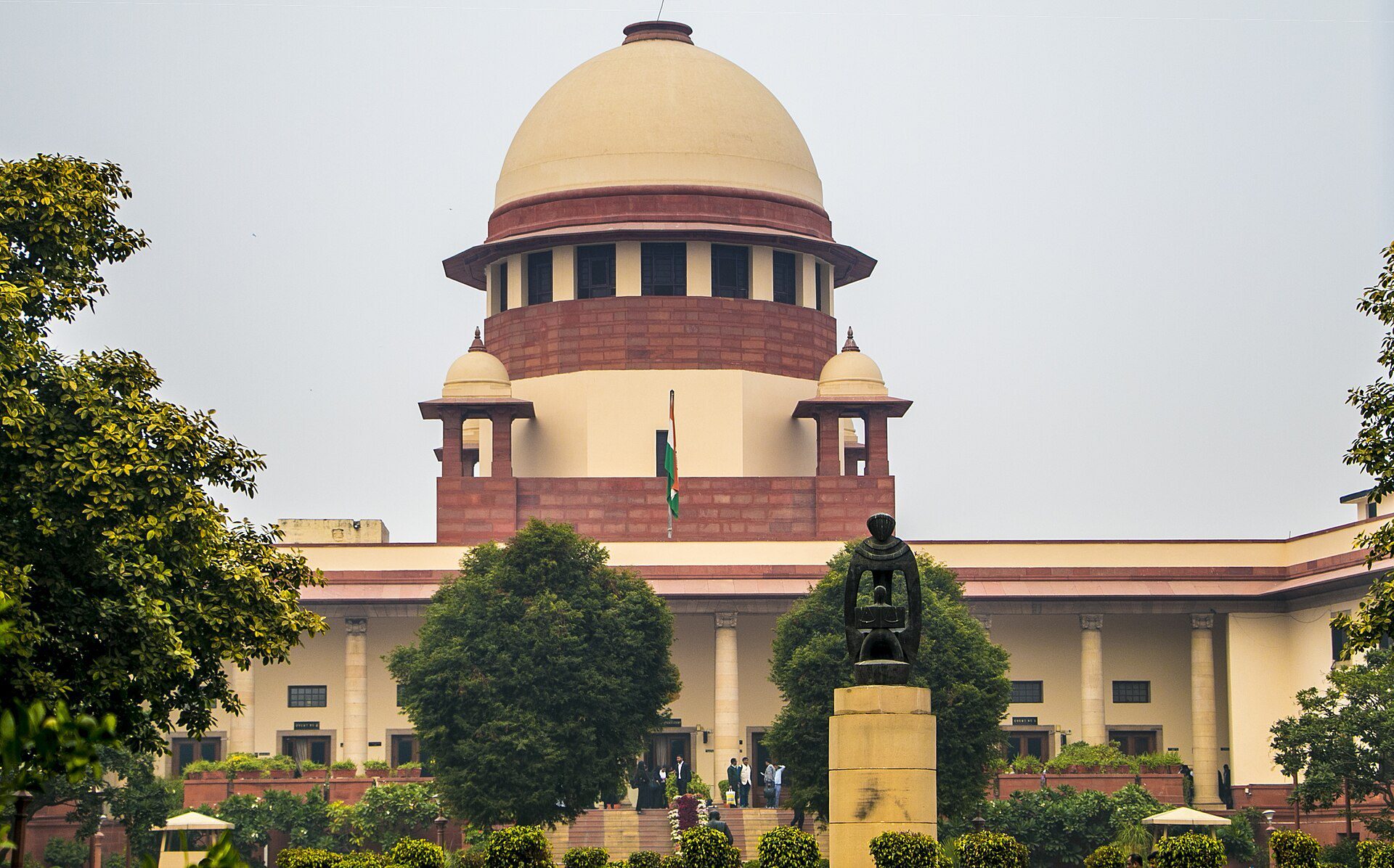
On 4 November 2026 a 7-judge Constitution Bench held that the 1974 ruling in S Kodar vs State of Kerala, a 5-judge Constitution Bench decision upholding States’ power to levy additional sales tax or surcharge computed as a percentage of sales tax, continues to hold the field. The reference, made nearly 27 years ago, had become academic because the GST law came into force.
4. Rs 14,500 crore Viability Gap Funding for energy storage
On 4 November 2026 the Union Cabinet approved a Rs 14,500 crore Viability Gap Funding (VGF) scheme for grid-scale energy storage. It supports 92 GWh of new capacity, mostly pumped hydro and batteries.
Constitutional / Legal / Institutional framework
The Supreme Court answered a reference made to a 7-judge Constitution Bench and said the 5-judge ruling in S Kodar vs State of Kerala (1974) still holds, because the reference had become academic after the GST law came into force. The Union Cabinet approved both the Agniveer extension and the VGF scheme. In the US, Congress has two chambers, the House and the Senate.
CLAT angle
- US Congress = House + Senate; the Senate has 100 members, two per state, one-third elected every two years.
- Agniveers: 4 + 2 = 6 years; originally only 25% were to be retained.
- Kodar (1974) was a 5-judge Constitution Bench ruling on States’ additional sales tax; a 7-judge bench kept it valid.
- VGF = Viability Gap Funding.
Key facts
| Fact | Detail |
|---|---|
| US Senate size | 100 members, 2 per state |
| US Senate elections | one-third of seats every two years |
| Agniveer extension | 2 years for the 75% not absorbed; 4 + 2 = 6 years |
| Original Agnipath retention | 25% |
| Kodar ruling | 1974, 5-judge Constitution Bench |
| Bench in the 2026 reference | 7-judge Constitution Bench |
| Energy-storage VGF outlay | Rs 14,500 crore for 92 GWh |
Mnemonic / memory hook
‘4 + 2 = 6, 75 stays in the mix.’ Agniveers: 4 years, plus a 2-year extension for the 75%, makes 6.
Sources
Al Jazeera, CBS News, CNBC and TIME (US midterms); The Hindu, Hindustan Times, The Indian Express and Mint (Agniveers, Supreme Court, energy storage), all dated 3 to 4 November 2026.
Free in the CLAT Gurukul app
These notes (as a PDF lesson) and the 10-question CBT are in the app under Current Affairs → 5 Nov 2026. Get the app on Google Play or open app.clatgurukul.com.
Practice Quiz — 10 CLAT-Style Questions
Click an option to reveal the answer and explanation.