Watch the video explainer · open on YouTube
VIDEO EXPLAINER | 3 NOVEMBER 2026
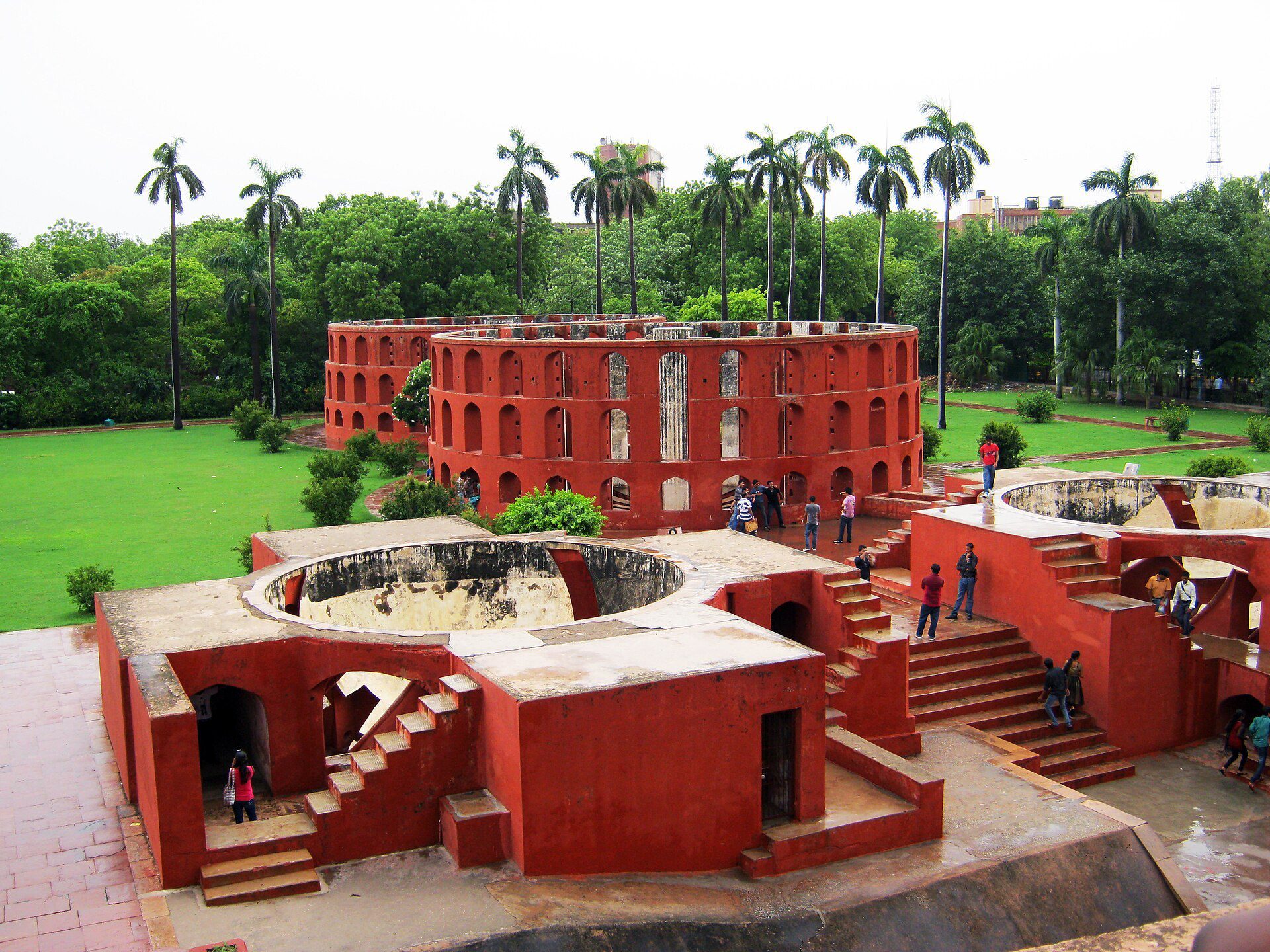
On 11 October 2026 the Delhi Police Commissioner, Anurag Kumar, issued a standing order that denotified Jantar Mantar as a designated site for demonstrations in Delhi and named three new sites in its place. The decision is being challenged in the Supreme Court, which on 15 October 2026 issued notice to the Centre but did not set the order aside. This makes the denotification a live question of the right to assemble under Article 19(1)(b).
What the order says
The standing order designates three new demonstration sites: Ramlila Ground, CBD Ground (in the East District) and Burari Ground. According to PTI, Ramlila Ground is about 4 km from Jantar Mantar, CBD Ground is 12 to 13 km away and Burari Ground is roughly 21 km away. The order states that the decision was taken on the recommendation of a committee of the Ministry of Home Affairs.
The court timeline
On 13 October Delhi Police told the Delhi High Court that the decision followed the Supreme Court’s order of 9 October. On 15 October, however, the Centre said that order had not been relied upon. The same day the Supreme Court heard 46 petitions relating to public assembly and issued notice on this challenge, seeking the Centre’s response. The Court has not cancelled the order, which is why the denotification remains sub judice, that is, under judicial consideration.
Constitutional and legal framework
- Article 19(1)(b): right of citizens to assemble peaceably and without arms.
- Article 19(3): reasonable restrictions in the interests of public order and sovereignty and integrity of India.
- Mazdoor Kisan Shakti Sangathan (23 July 2018): no complete ban on protest at Jantar Mantar.
- Section 163 BNSS (from 1 July 2024): preventive order replacing Section 144 CrPC; generally up to 2 months, extendable by the State Government to 6 months.
- Sub judice: the denotification is before the Supreme Court; no order cancelling it has been passed.
The constitutional base: Article 19(1)(b) and 19(3)
Article 19(1)(b) gives every citizen the right to assemble peaceably and without arms. Article 19(3) allows the State to impose reasonable restrictions in the interests of public order or the sovereignty and integrity of India. Remember that this right belongs only to citizens, not to foreigners.
In Mazdoor Kisan Shakti Sangathan (23 July 2018) the Supreme Court held that there cannot be a complete ban on protests at Jantar Mantar. It treated peaceful demonstration as a fundamental right and asked for balanced guidelines.
Section 163 BNSS in brief
Preventive orders for public order now come under Section 163 of the Bharatiya Nagarik Suraksha Sanhita (BNSS). It replaced the old Section 144 CrPC from 1 July 2024. Such an order generally lasts up to two months, and the State Government can extend it up to six months.
The CLAT angle
- Legal Reasoning: a passage may ask whether a blanket ban on a protest site is a reasonable restriction under Article 19(3).
- Remember that Article 19(1)(b) is available to citizens only; foreigners cannot claim it.
- GK: the new sites, the 11 October order date and the 46 petitions heard on 15 October.
- Know the replacement: Section 163 BNSS in place of Section 144 CrPC, with the 2-month and 6-month limits.
- Separate what the Court did (issued notice) from what it did not do (cancel the order).
Key facts
| Fact | Detail |
|---|---|
| Order date | 11 October 2026 |
| Issued by | Delhi Police Commissioner Anurag Kumar |
| New sites | Ramlila Ground, CBD Ground, Burari Ground |
| Recommendation of | A Ministry of Home Affairs committee |
| Supreme Court action | 15 October 2026: notice on the challenge; 46 petitions on public assembly heard |
| Right involved | Article 19(1)(b), citizens only |
| Restrictions | Article 19(3) |
| Key precedent | Mazdoor Kisan Shakti Sangathan, 23 July 2018 |
| Preventive order | Section 163 BNSS from 1 July 2024 |
| Duration | Generally 2 months; State Government can extend to 6 |
Memory hook
“Assemble at 19(1)(b), restrict at 19(3), prevent at 163.” Right, limit, order: the three steps behind every protest-site question.
Frequently asked questions
Is Jantar Mantar closed for protests?
Delhi Police’s standing order of 11 October 2026 denotified it as a designated demonstration site. The Supreme Court issued notice on the challenge on 15 October 2026 and did not cancel the order, so the matter is sub judice.
Which are the new demonstration sites in Delhi?
Ramlila Ground, CBD Ground (East District) and Burari Ground.
Which section replaced Section 144 CrPC?
Section 163 of the Bharatiya Nagarik Suraksha Sanhita (BNSS), in force from 1 July 2024.
Sources
Delhi Police standing order of 11 October 2026; reports of the Delhi High Court hearing of 13 October and the Supreme Court hearing of 15 October 2026; distances as reported by PTI; the Constitution of India, Article 19; the Bharatiya Nagarik Suraksha Sanhita, Section 163; Mazdoor Kisan Shakti Sangathan v. Union of India (2018).
Free in the CLAT Gurukul app
These notes (as a PDF lesson) and the 10-question CBT are in the app under Current Affairs → 3 Nov 2026. Get the app on Google Play or open app.clatgurukul.com.
Practice Quiz — 10 CLAT-Style Questions
Click an option to reveal the answer and explanation.