CURRENT AFFAIRS | 05 OCTOBER 2026
‘Terrestrial Stilling’: Why Slowing Surface Winds Are Making Cities Feel Hotter
Wind speed near the ground has been dropping across much of the world since the 1980s — a phenomenon scientists call terrestrial stilling. A science feature in The Hindu explains how this weakening of near-surface winds, combined with dense urban construction and the loss of greenery, is intensifying the urban heat island effect and making summers feel more oppressive in Indian cities.
- Near-surface wind speed has fallen worldwide since the 1980s.
- Winds are measured about 10 m above ground, where pedestrians move.
- Slower winds trap humidity, raising the ‘feels-like’ temperature.
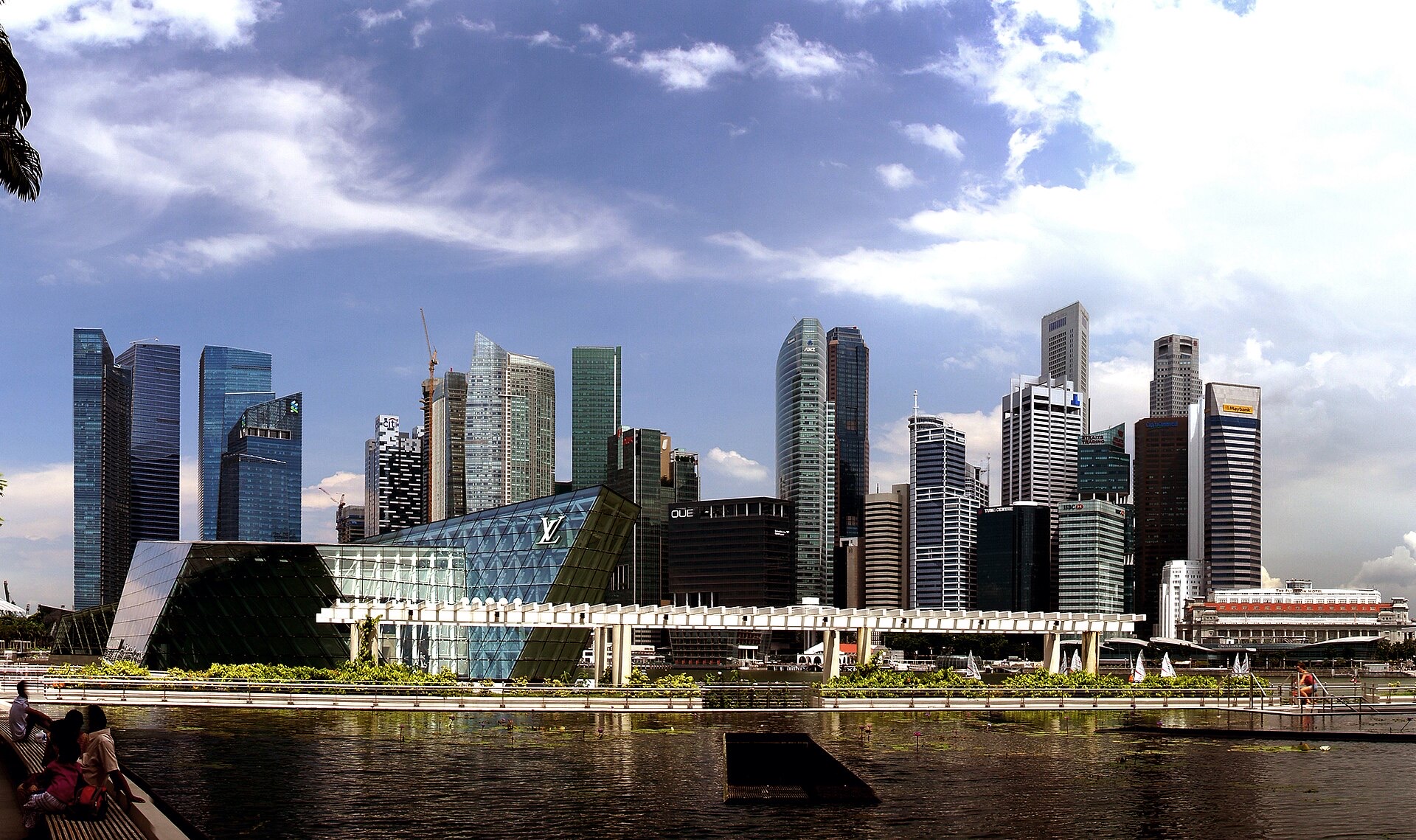
- Dense high-rises, uneven building heights, high walls and podiums disrupt wind flow.
- Loss of vegetation and more asphalt and concrete cut evapotranspiration.
How slower winds trap heat
Normally, the saturated layer of air just above the ground is swept away and replaced by drier air when winds blow faster, allowing moisture to evaporate and cool the surface. When winds slow, that humid air lingers, limiting evaporation and making the heat feel more oppressive — a higher ‘feels-like’ temperature that combines heat and humidity rather than air temperature alone. This is why two cities at the same thermometer reading can feel very different: the one with stagnant, humid air near the ground feels hotter. In urban areas, dense high-rise infrastructure, buildings of varying heights clumped together without spacing, and high compound walls and podiums disrupt wind flow, create turbulence and increase surface friction. The combined effect slows the near-surface winds measured about 10 metres above the ground — precisely the layer in which pedestrians live and move.
An Urban Heat Island (UHI) forms because concrete and asphalt absorb and re-radiate heat while vegetation and water bodies — which cool the air — are scarce. Evapotranspiration (evaporation plus plant transpiration) naturally cools the surface; as cities lose vegetation and spread asphalt, this cooling falls, intensifying the UHI.
What scientists suggest
Researchers cited in the feature — Amruthraj M.N. of the Sustainable Energy Lab at the Indian Institute for Human Settlements, Bengaluru, and Aaron Serre, an atmospheric scientist at the University of Alabama in Huntsville — argue that cities must plan buildings and deliberate ‘wind corridors’ so that near-surface wind flow is preserved rather than blocked. Restoring greenery and water bodies would also raise evapotranspiration and lower surface temperatures. The policy implication is that the heat a city feels is not purely a matter of climate change acting from outside, but also of how the city is built; urban form itself can either amplify or relieve the heat burden on residents.
From a local nuisance to a public-health issue
What begins as a matter of comfort quickly becomes one of public health and equity. A higher ‘feels-like’ temperature raises the risk of heat stress, especially for outdoor workers, the elderly and those without access to cooling. Because the urban heat island is driven by concrete, asphalt and the loss of greenery, its burden tends to fall hardest on densely built, less-green neighbourhoods. Addressing it therefore sits at the meeting point of urban planning, climate adaptation and the law — which is why the scientific account of terrestrial stilling is relevant well beyond the laboratory.
The issue links to India’s climate-adaptation effort — the National Action Plan on Climate Change (NAPCC) and city and State heat action plans — and to the constitutional duty to protect the environment: the right to a healthy environment read into Article 21, the Directive Principle in Article 48A, and the Fundamental Duty in Article 51A(g).
Science-and-environment passages test whether candidates can connect a physical phenomenon to the legal-constitutional framework. Here, link terrestrial stilling and the urban heat island to Article 21 (right to a healthy environment), Article 48A and Article 51A(g), and to the NAPCC and heat action plans.
Picture a STILL city: Slower winds, Trapped humidity, Impervious concrete, Lost greenery — all feeding a Lingering heat island. The cure is a ‘wind corridor’ that lets the air move again.
Practice Quiz — 10 CLAT-Style Questions
Click an option to reveal the answer and explanation.