DAILY NEWS WRAP | 5 NOVEMBER 2026
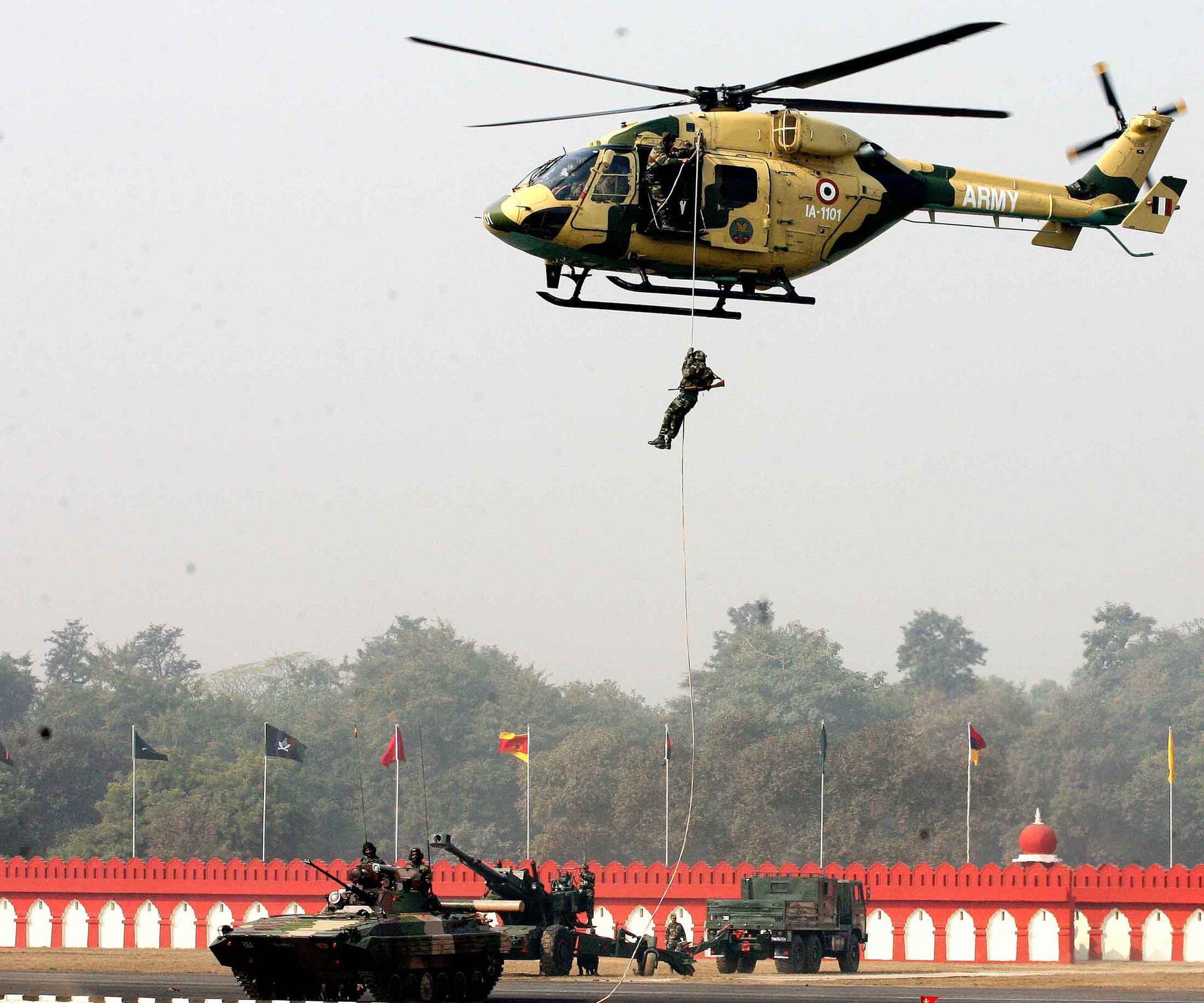
On 4 November 2026 the Union Cabinet approved a change to the Agnipath recruitment scheme: the 75% of Agniveers who are not retained after their four-year tenure will be offered an additional two-year engagement. This note explains the decision and the numbers behind it.
What the Cabinet decided
The decision was announced at a joint Cabinet briefing by the Chief of Defence Staff, General N S Raja Subramani. Under the original Agnipath scheme, introduced in June 2022, only 25% of Agniveers were to be retained in regular service after four years, selected on merit, while the remaining 75% were to leave the services with a contributory exit package.
Under the revised arrangement the process has two stages. In the first stage, 25% of Agniveers are still selected on merit for absorption after the four-year tenure, as in the original scheme. The remaining 75% will now be offered an additional two-year engagement. After that, all willing Agniveers who meet the objective selection criteria can be enrolled in the armed forces as regular soldiers. Total service therefore becomes 4 + 2 = 6 years for those who take the extension.
Pay and other terms
The CDS said the two-year engagement carries higher pay: Rs 43,500 a month in the first year of the extension and Rs 47,500 a month in the second year. This compares with a starting pay of Rs 30,000 a month for the first batch of Agniveers. Reports also say those who leave after the engagement will get an enhanced Seva Nidhi package.
The CDS said the Agnipath scheme has not been discontinued: the first four years continue as before, and the two-year engagement gives those not selected in the first four years a chance to serve longer. Defence Minister Rajnath Singh described the extra period as a ‘Second Tour of Duty’. The CDS also said that, because every Agniveer will now have a route to full-term service, separate job quotas announced for Agniveers by other forces and organisations would not be needed.
Why it matters
More than three lakh Agniveers are in service or training across the Army, Navy and Air Force. The first batches complete their four-year tenure from this month, which is why the decision came now. The change keeps the original idea of a four-year initial tenure but gives all Agniveers a second route into regular service.
Constitutional / Legal / Institutional framework
The armed forces of the Union are under the executive power of the Union. A decision on the terms of recruitment such as Agnipath is taken by the Union Cabinet, which is the council of ministers acting collectively under the Prime Minister. The Chief of Defence Staff is the senior military officer who briefed the media on the decision, while the policy decision itself was the Cabinet’s.
CLAT angle
- Agnipath was introduced in June 2022; the first four years are unchanged.
- Original design: 25% retained, 75% exit. New: 75% get an extra 2-year engagement.
- Service for the 75% = 4 + 2 = 6 years; then enrolment as regular soldiers if willing and eligible.
- Pay in the extension: Rs 43,500 per month (first year) and Rs 47,500 (second year).
- Decision approved by the Union Cabinet on 4 November 2026; announced by CDS General N S Raja Subramani.
Key facts
| Fact | Detail |
|---|---|
| Cabinet decision date | 4 November 2026 |
| Initial Agniveer tenure | 4 years |
| Original retention | 25% on merit |
| Extension offered to | the remaining 75% |
| Extension length | 2 years (total 6 years) |
| Pay in the extension | Rs 43,500 per month, then Rs 47,500 per month |
| Described by the Defence Minister as | ‘Second Tour of Duty’ |
Mnemonic / memory hook
‘4 + 2 = 6, 75 stays in the mix.’ Agniveers serve 4 years; the 75% not retained get 2 more, making 6; the 25% merit route stays as before.
Sources
Hindustan Times, The Indian Express and The Hindu, all dated 4 November 2026.
Free in the CLAT Gurukul app
These notes (as a PDF lesson) and the 10-question CBT are in the app under Current Affairs → 5 Nov 2026. Get the app on Google Play or open app.clatgurukul.com.
Practice Quiz — 10 CLAT-Style Questions
Click an option to reveal the answer and explanation.