VIDEO EXPLAINER | 9 NOVEMBER 2026
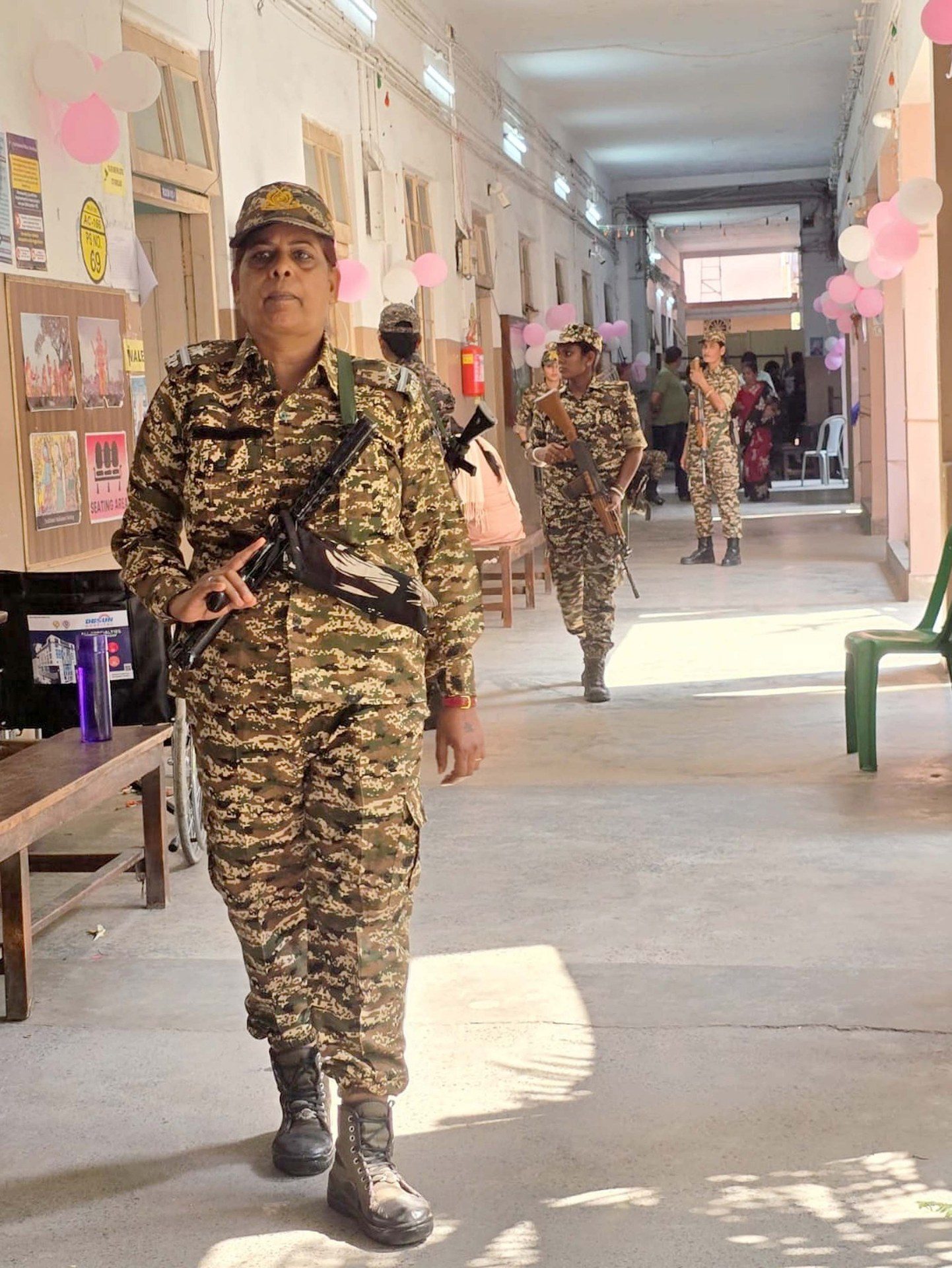
As per the video, the Supreme Court asked for IPS deputation in the Central Armed Police Forces to be reduced, and Parliament then made a law. The Central Armed Police Forces General Administration Act, 2026 is in force from 8 October 2026. It applies to five forces, CRPF, BSF, CISF, ITBP and SSB, and fixes how many senior posts are filled by IPS officers on deputation.
What the Act says
The video lists the five Central forces covered: CRPF, BSF, CISF, ITBP and SSB. The Act came into force on 8 October 2026, and its full name is the Central Armed Police Forces General Administration Act, 2026. Parliament passed it in April 2026.
On posts, the video gives the following. Half of the IG posts will be filled from IPS officers on deputation. At least 67 percent of the ADG posts will also be filled by IPS deputation. All posts of Special DG and DG will be filled by IPS deputation.
Section 3 says that the Act applies notwithstanding any judgment, decree or order of any court. That non-obstante style provision is what makes the Act stand out as Parliament’s answer to a court ruling.
The Supreme Court judgment before the Act
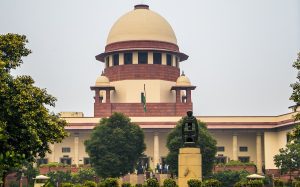
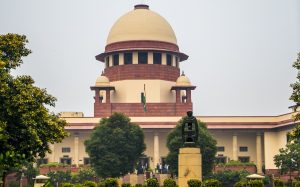
On 23 May 2025 the Supreme Court decided Sanjay Prakash versus Union of India. As per the video, the bench asked for IPS deputation posts to be reduced gradually up to the IG level.
The same judgment treated the CAPFs as Organised Group A Services, which is the status that matters for service and promotion questions.
The constitutional questions
The video connects the story to three articles. Article 141 says the law declared by the Supreme Court is binding on all courts. Article 312 makes the IAS and IPS All-India Services. Article 16(1) gives equality of opportunity in public employment.
As per the video, the Supreme Court has not yet delivered a verdict on the merits, so the relationship between the Act and the earlier judgment remains open.
Key terms
- Deputation: Posting of an officer from one service to a post in another cadre or force for a period. Here IPS officers are posted to senior CAPF posts.
- CAPF: Central Armed Police Forces. The Act covers CRPF, BSF, CISF, ITBP and SSB, as per the video.
- Organised Group A Services: The status the Sanjay Prakash judgment gave to the CAPFs, as per the video.
- Notwithstanding clause (Section 3): The Act applies despite any court judgment, decree or order, as per the video.
- All-India Services: Under Article 312 the IAS and IPS are All-India Services, as per the video.
- Binding law (Article 141): The law declared by the Supreme Court binds all courts, as per the video.
Constitutional / Legal / Institutional framework
- The Act is a statute passed by Parliament in April 2026 and in force from 8 October 2026.
- Section 3 says the Act applies despite any court judgment, decree or order.
- Article 141: law declared by the Supreme Court is binding on all courts.
- Article 312: IAS and IPS are All-India Services.
- Article 16(1): equality of opportunity in public employment.
CLAT angle
- Five forces: CRPF, BSF, CISF, ITBP, SSB.
- IG: half by IPS deputation. ADG: at least 67 percent. Special DG and DG: all.
- Section 3: applies notwithstanding any court judgment, decree or order.
- Sanjay Prakash v Union of India, 23 May 2025: reduce IPS deputation up to IG level; CAPFs are Organised Group A Services.
- Articles 141, 312 and 16(1) are the three articles in the video.
Key facts
| Fact | Detail |
|---|---|
| 8 October 2026 | Act comes into force |
| April 2026 | Parliament passes the Act |
| 5 forces | CRPF, BSF, CISF, ITBP, SSB |
| IG posts | Half filled by IPS deputation |
| ADG posts | At least 67 percent by IPS deputation |
| Special DG and DG | All posts by IPS deputation |
| 23 May 2025 | Sanjay Prakash v Union of India |
| Verdict on merits | Not yet given by the Supreme Court, as per the video |
Mnemonic / memory hook
Half, 67, all.
IG half, ADG at least 67 percent, Special DG and DG all. Section 3 says the Act stands despite any court order.
Sanjay Prakash said reduce; Parliament then legislated. Articles to remember: 141, 312, 16(1).
Why this matters for exams
This topic tests the relationship between a court judgment and a later statute. The video’s key lines are Section 3, which applies the Act despite any court order, and Article 141, which makes the Supreme Court’s declared law binding.
Keep the numbers with the posts: half for IG, at least 67 percent for ADG, all for Special DG and DG. A mix-up between the three is the likely trap in a question.
The Supreme Court has not yet ruled on the merits, as per the video, so avoid saying the Act has been upheld or struck down.
Source
This article summarises the video explainer. It reflects the facts as stated in the video; check the official judgment or Gazette text for the exact wording.
Free in the CLAT Gurukul app
These notes (as a PDF lesson) and the 10-question CBT are in the app under Current Affairs → 9 Nov 2026. Get the app on Google Play or open app.clatgurukul.com.
Practice Quiz — 10 CLAT-Style Questions
Click an option to reveal the answer and explanation.