
VIDEO EXPLAINER | 19 OCTOBER 2026
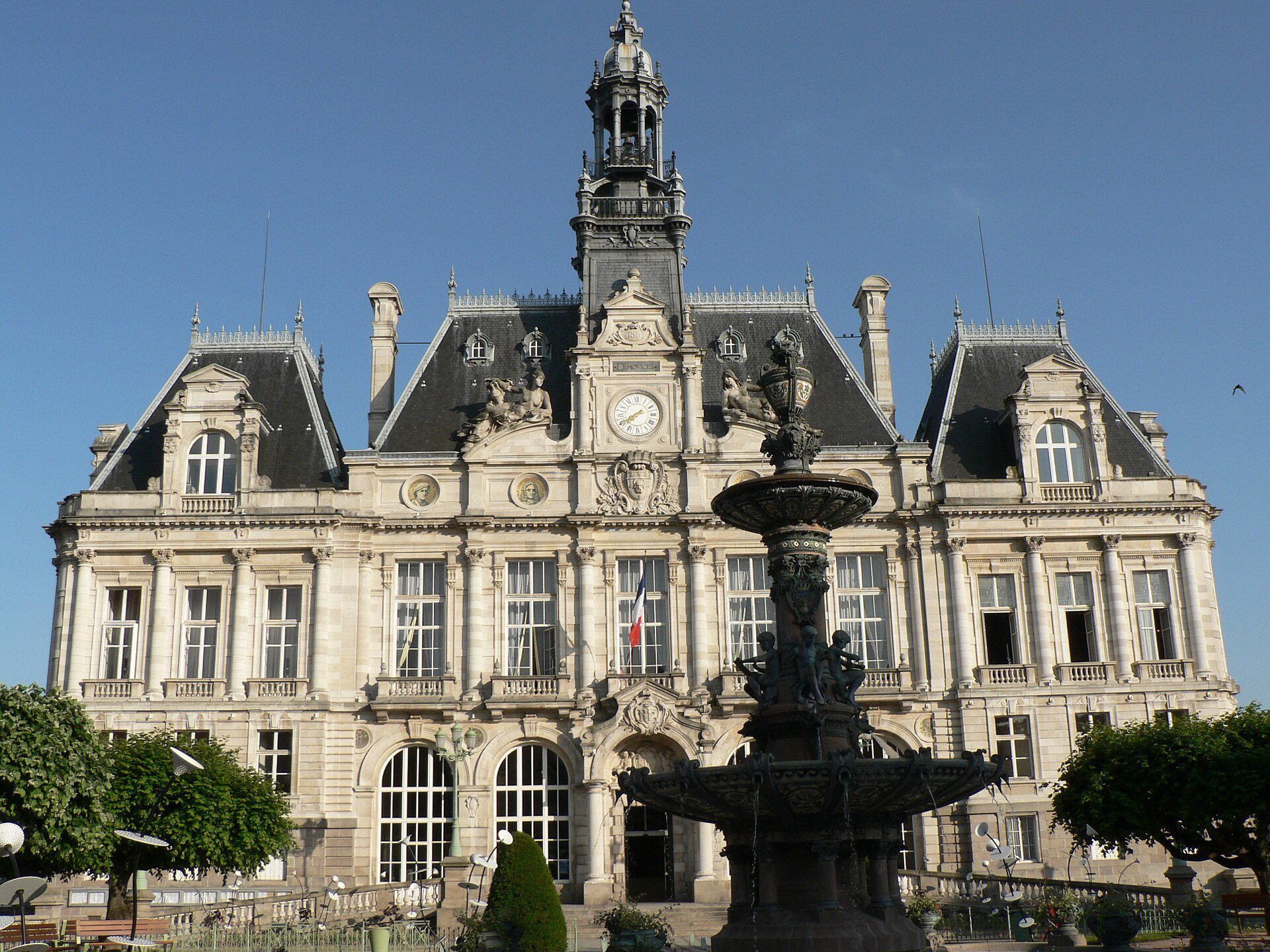
On Saturday, 17 October 2026, about 550,000 people joined protests across France, according to the Interior Ministry, with 110,000 in Paris; the CGT union, one of the organisers, put the figure at about 800,000. In Limoges, the town hall, a building about 140 years old, caught fire. In Lyon, a tourism-office branch was vandalised and set on fire. The question this explainer asks is a simple one: is this a second French Revolution? To answer it, we compare 2026 with 1789, and then explain why the better description is a cost-of-living crisis.
1. What happened on 17 October
The Limoges town hall was built from 1879 and inaugurated on 14 July 1883. It caught fire at about 6 pm; officials called the fire deliberate arson; early reports on how much of the building was lost conflict. Looting was reported in Paris, Marseille, Lyon, Bordeaux and other cities, and at least 1,800 people were arrested nationwide. The French government said it would prosecute those who looted or attacked buildings.
The anger was not limited to France. In Belgium, several hundred mostly young people clashed with police in Brussels, with tear gas and water cannon used, over the cost of education. In Italy, clashes were reported in Milan and Bologna. In Portugal, tens of thousands marched in Lisbon over housing, fuel and food prices, in a largely peaceful march. The common thread across all four countries is the cost of living.
2. How the 2026 movement began
The movement started in mid-September 2026 with high-school students in Créteil, a Paris suburb, protesting about dilapidated school buildings, overcrowded classes and a shortage of teachers. Fuel anger joined through a viral TikTok, and former yellow vests and trade unions joined the students.
Fuel is central. The average price of diesel in France reached about €2.36 per litre in early October 2026, more than a third above its earlier level. On 7 October, France released 10 million barrels of diesel from its strategic stocks, aiming to cut prices by 12 to 18 cents a litre.
3. The yellow-vest precedent (2018)
France has seen this pattern before. The yellow vests (gilets jaunes) protests began on 17 November 2018 over rises in fuel (diesel) taxes. They took their name from the high-visibility vests every French driver must carry. On 4 December 2018, the government announced a six-month moratorium on the fuel-tax rises, which were later dropped for 2019. In 2023, a pension reform raised the retirement age from 62 to 64 (by 2030); it was pushed through using Article 49.3 of the French Constitution, without a final vote in the National Assembly.
4. What happened in 1789
In the 1780s, bread was the main food of ordinary French people. A worker normally spent about half of the daily wage on bread. After failed harvests in 1788, one historian’s estimate is that bread reached up to 88% of wages in 1789. Heavy taxes added to the pressure. The king called the Estates-General, which opened at Versailles on 5 May 1789, the first such meeting since 1614, that is, after 175 years. Events moved quickly:
- 20 June 1789: the Tennis Court Oath.
- 14 July 1789: the storming of the Bastille.
- 26 August 1789: the Declaration of the Rights of Man and of the Citizen.
- September 1792: the monarchy was abolished.
5. Why 2026 is a crisis, not a revolution
A revolution replaces a political order. In 1789 the institutions themselves failed: the Estates-General had not met for 175 years, and within three years the monarchy was gone. In 2026, the institutions are working. France is a Republic; its courts are functioning and will try those accused of looting and arson; and a presidential election is due in April 2027. So the price of an essential (bread then, diesel now) is the common trigger, but the outcome is different. The more accurate description is a deep cost-of-living crisis. “Second French Revolution” is a question worth asking, not a verdict.
6. Why it matters for India
France hosts about 10,000 Indian students every year, and the two countries have a joint target of 30,000 by 2030. India and France have had a strategic partnership since 1998, and agreed the Horizon 2047 roadmap in July 2023. Unrest in France therefore touches Indian families, and the lesson is a general one: when the price of an essential rises sharply, the streets react first.
Constitutional and institutional framework
- Estates-General: France’s assembly of the three estates; opened 5 May 1789, first since 1614.
- Declaration of the Rights of Man and of the Citizen: 26 August 1789.
- Monarchy abolished: September 1792; France is now a Republic.
- Article 49.3, French Constitution: lets the government pass a bill without a final vote; used for the 2023 pension reform (62 to 64).
- India–France: strategic partnership since 1998; Horizon 2047 roadmap (July 2023).
CLAT angle
- GK: 1789 dates (Estates-General, Tennis Court Oath, Bastille, Declaration) are standard exam facts.
- GK: the yellow vests began in November 2018 over fuel-tax rises.
- Passage reasoning: a passage may compare 1789 and 2026; ask what separates a protest movement from a revolution.
- Current affairs: Europe-wide cost-of-living protests (France, Belgium, Italy, Portugal) in October 2026.
- India link: about 10,000 Indian students in France each year; target 30,000 by 2030.
Key facts
| Fact | Detail |
|---|---|
| Protest day | Saturday, 17 October 2026 |
| Turnout (Interior Ministry) | About 550,000; 110,000 in Paris |
| Limoges town hall | About 140 years old (inaugurated 14 July 1883); set on fire |
| Start of movement | Mid-September 2026, high-school students |
| Diesel price | About €2.36 per litre (early October 2026) |
| Yellow vests began | 17 November 2018, over fuel-tax rises |
| Estates-General | 5 May 1789, first since 1614 (175 years) |
| Monarchy abolished | September 1792 |
| Indian students in France | About 10,000 a year; target 30,000 by 2030 |
Memory hook: “Bread 1789, Diesel 2026”
Same trigger (the price of an essential), different result: in 1789 the institutions fell (1614 to 1789 = 175 years without an Estates-General); in 2026 the Republic, courts and elections still stand.
Sources
Reports of 16–18 October 2026 by Euronews, AP, Al Jazeera, France 24, ABC Australia and Reuters; Bloomberg and Connexion France on diesel prices and the stock release (October 2026); Al Jazeera (2018) on the yellow vests; Smithsonian Magazine and Alpha History on bread prices in 1789; Campus France on Indian students; Ministry of External Affairs briefs on India–France relations.
Free in the CLAT Gurukul app
These notes (as a PDF lesson) and the 10-question CBT are in the app under Current Affairs → 19 Oct 2026. Get the app on Google Play or open app.clatgurukul.com.
Practice Quiz — 10 CLAT-Style Questions
Click an option to reveal the answer and explanation.