CURRENT AFFAIRS | 02 OCTOBER 2026
Gandhi Jayanti: The 157th Birth Anniversary and the Architecture of the Freedom Struggle
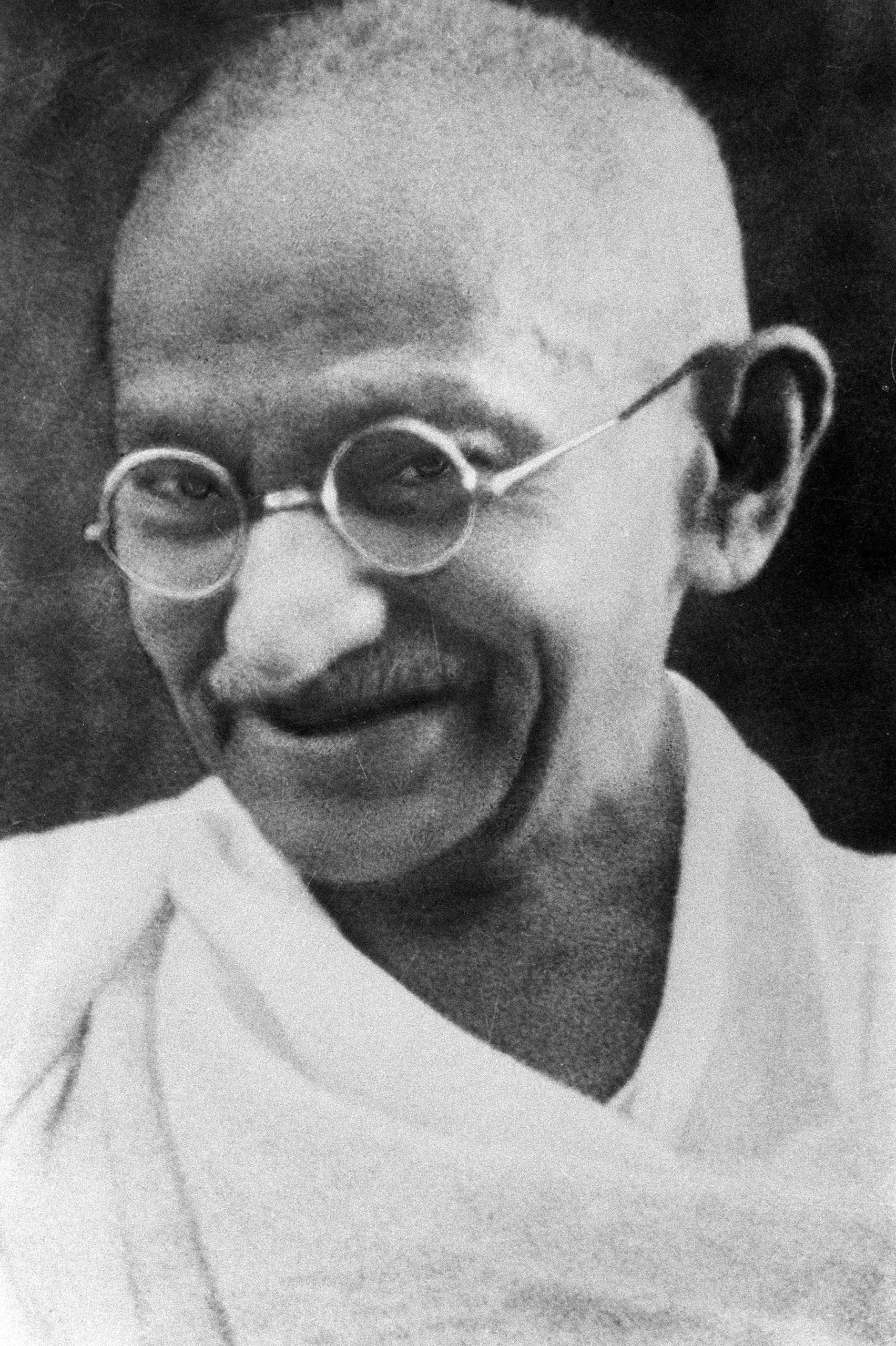
On 2 October 2026, the nation marks the 157th birth anniversary of Mohandas Karamchand Gandhi, born on 2 October 1869 at Porbandar, Gujarat. Gandhi Jayanti is a national holiday and an occasion to revisit the movements, methods and philosophy through which Gandhi shaped India’s freedom struggle — a dependable source of static General Knowledge for CLAT aspirants.
- Born 2 October 1869 at Porbandar, Gujarat; 2026 marks the 157th anniversary
- Returned to India for good on 9 January 1915 (now Pravasi Bharatiya Divas)
- Led Champaran (1917), Kheda (1918), Non-Cooperation (1920–22), Dandi (1930) and Quit India (1942)
- Philosophy: Ahimsa, Satyagraha, Sarvodaya, Swadeshi and trusteeship
- Assassinated 30 January 1948 at Birla House, Delhi (Martyrs’ Day)
South Africa: Where the Method Was Forged
Gandhi’s years in South Africa (1893–1915) were formative. The racial discrimination he faced — crystallised in the Pietermaritzburg railway incident of 7 June 1893 — turned him towards organised resistance. There he founded the Phoenix Settlement (1904, near Durban) and Tolstoy Farm (1910, near Johannesburg) and led his first large-scale Satyagraha, before returning to India in January 1915.
The Great Movements in India
Back home, Gandhi’s first civil disobedience was the Champaran Satyagraha (1917, Bihar) against indigo planters, followed by the Kheda Satyagraha (1918, Gujarat) for peasant tax relief and the Ahmedabad Mill Strike (1918), where he undertook his first hunger strike. The Non-Cooperation Movement (1920–1922) was withdrawn after the Chauri Chaura violence of February 1922. The Civil Disobedience Movement opened with the Dandi Salt March (12 March – 6 April 1930), a 240-mile march to break the Salt Law, and culminated in the Quit India Movement of 8 August 1942, with its call of “Do or Die.”
Gandhi’s thought rested on Ahimsa (non-violence), Satyagraha (insistence on truth, or truth-force), Sarvodaya (welfare of all), Swadeshi and trusteeship. He set out his early vision in Hind Swaraj (1909) and communicated through his journals Young India and Harijan. His ashrams at Sabarmati (Ahmedabad) and Sevagram (Wardha) became nerve-centres of the movement.
Gandhi was called ‘Mahatma,’ a title popularised by Rabindranath Tagore, and ‘Father of the Nation,’ an address attributed to Subhas Chandra Bose. He was assassinated on 30 January 1948 by Nathuram Godse at Birla House, Delhi; the date is observed as Martyrs’ Day. These names and dates are frequently tested factual anchors.
From Satyagraha to Mass Movement
What distinguishes Gandhi’s leadership is the way a single method — Satyagraha, or the insistence on truth through non-violent resistance — scaled from a local grievance to a national campaign. Champaran and Kheda were tightly focused struggles over indigo cultivation and peasant taxation; the Ahmedabad Mill Strike added the moral weapon of the fast. Within a few years the same technique powered the Non-Cooperation Movement across the country, and by 1930 the Dandi March had turned the humble act of making salt into an act of mass defiance of the Salt Law. The arc from a 240-mile march to the “Do or Die” call of Quit India in 1942 shows a method deliberately widened from the particular to the universal.
The Philosophy Behind the Politics
Gandhi’s politics were inseparable from his ethics. Ahimsa and Satyagraha supplied the means; Sarvodaya — the welfare of all — and Swadeshi supplied the ends, while trusteeship offered his answer to economic inequality. He first sketched this vision in Hind Swaraj (1909) and refined it over decades in Young India and Harijan. His ashrams at Sabarmati and Sevagram were not retreats but laboratories where these ideas were lived and tested, which is why they recur so often as static-GK anchors.
Why Gandhi Endures in the Syllabus
The freedom-struggle chronology — from Champaran to Quit India — and Gandhi’s philosophical vocabulary recur across CLAT GK and reading-comprehension passages. Mastering the sequence of movements, their locations and their outcomes gives aspirants a reliable scoring base.
CLAT rewards a clean chronology: Champaran (1917) → Kheda and Ahmedabad (1918) → Non-Cooperation (1920–22, ended by Chauri Chaura) → Dandi/Civil Disobedience (1930) → Quit India (1942). Pair each movement with its place and aim, and keep the philosophy terms (Satyagraha, Ahimsa, Sarvodaya) ready for passage-based questions.
Sequence the movements with “Champaran-Kheda-Mills, then Non-Cooperation, Salt, Quit India.” Fix the bookends: “Born 2 Oct 1869, fell 30 Jan 1948.”
Practice Quiz — 10 CLAT-Style Questions
Click an option to reveal the answer and explanation.