
CURRENT AFFAIRS | 02 OCTOBER 2026
Himachal apple output crashes 48% as climate change batters mountain horticulture
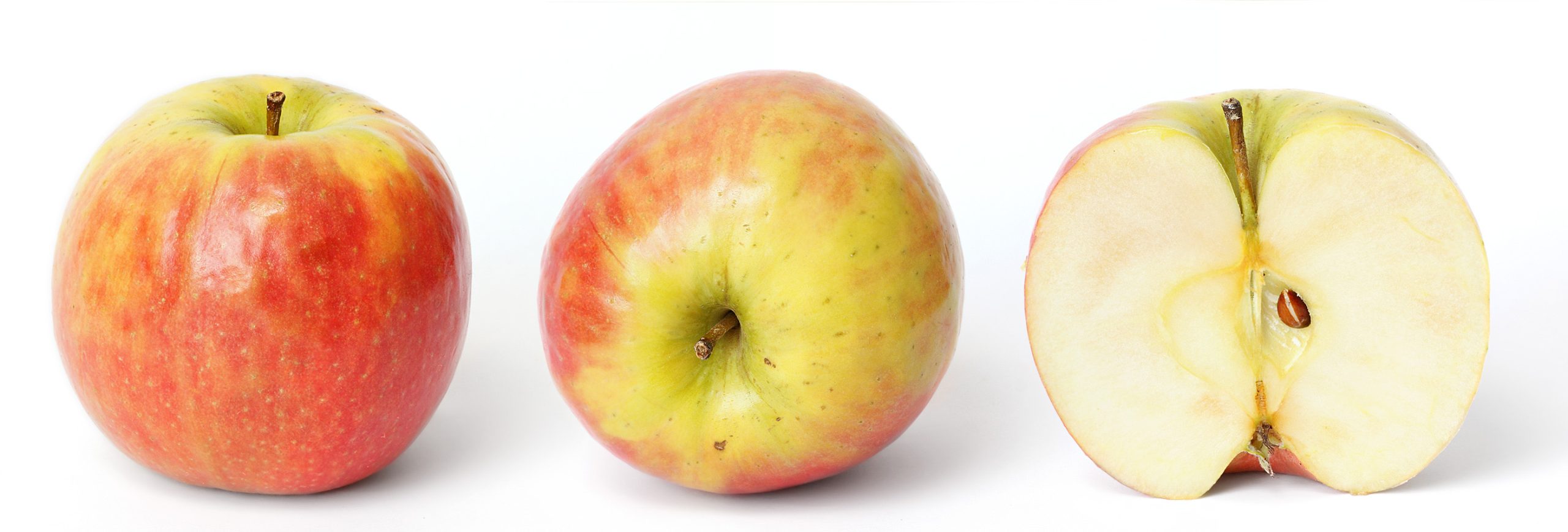
Apple production in Himachal Pradesh has dropped by 48% so far this year, the State Horticulture Director, Satish Kumar, said on Thursday, 1 October 2026. He attributed the fall to climate change, unseasonal rains, hailstorms and snowfall that caused severe crop damage. So far, 1.15 crore apple boxes have reached the market, compared with 2.18 crore boxes in the same period last year — a near-halving of the harvest that strikes at the heart of the State’s horticulture economy.
- Apple production in Himachal Pradesh is down 48% so far this year.
- Boxes to market: 1.15 crore this year, against 2.18 crore last year.
- Cause cited: climate change, unseasonal rains, hailstorms and snowfall.
- Source: State Horticulture Director Satish Kumar, speaking on Thursday.
- Himachal is India’s second-largest apple producer, after Jammu & Kashmir.
The climate mechanism: chilling hours and the apple line
Apple cultivation depends on adequate ‘chilling hours’ — the number of cold hours below roughly 7°C that the trees need to flower and fruit properly. As the climate warms, these chilling hours decline at lower altitudes, pushing the viable ‘apple line’ progressively higher up the mountains. Combined with erratic, unseasonal rains, hailstorms and untimely snowfall, this makes the harvest increasingly volatile. Himachal, India’s second-largest apple producer after Jammu and Kashmir, depends heavily on its ‘apple economy’, so a 48% fall carries serious economic consequences for growers.
Article 48A, a Directive Principle of State Policy, directs the State to protect and improve the environment and to safeguard the forests and wildlife of the country. Article 51A(g) makes it a Fundamental Duty of every citizen to protect and improve the natural environment. The judiciary has read the right to a healthy environment into the right to life under Article 21, making environmental protection both a constitutional directive and an enforceable right.
Climate policy: from NAPCC to the Paris NDC
India’s domestic response to climate change is anchored in the National Action Plan on Climate Change (NAPCC, 2008), which houses eight national missions, including the National Mission for Sustainable Agriculture aimed at making farming more resilient to climatic stress. Internationally, India has submitted its Nationally Determined Contribution (NDC) under the Paris Agreement. The Intergovernmental Panel on Climate Change (IPCC) has repeatedly warned that Himalayan agriculture is especially vulnerable to warming — a warning that the Himachal apple crash illustrates in concrete terms.
The scale of this year’s decline is best grasped through the figures themselves. With 1.15 crore boxes reaching the market against 2.18 crore last year, the harvest has very nearly halved, consistent with the 48% fall cited by the State Horticulture Director. Unlike a one-off drought, the drivers named — unseasonal rains, hailstorms and untimely snowfall layered on a warming trend — point to a structural shift rather than a single bad season. For a hill State whose horticulture economy rests so heavily on the apple, a shock of this magnitude ripples through transport, packaging, cold storage and the incomes of growers, making climate adaptation an economic as much as an ecological imperative.
NAPCC (2008) and its National Mission for Sustainable Agriculture address farm resilience; the Paris Agreement NDC frames India’s international commitments; and the IPCC has warned of acute risks to Himalayan agriculture from warming, reduced chilling hours and erratic precipitation.
Horticulture, livelihoods and mountain agriculture
The episode is best understood as a story about climate change and mountain horticulture rather than a simple monsoon-deficit event. The apple is central to Himachal’s horticulture economy and to the livelihoods of lakhs of hill families. As chilling hours shrink and weather turns erratic, the resilience of mountain agriculture — through climate-adaptive varieties, better cold storage and crop insurance — becomes a pressing policy question with direct constitutional resonance under Articles 48A, 51A(g) and 21.
Environmental law and climate policy are high-frequency CLAT themes. Candidates should connect the constitutional trio — Article 48A (DPSP), Article 51A(g) (Fundamental Duty) and Article 21 (right to a healthy environment) — to policy instruments like the NAPCC (2008) and the Paris NDC, and be ready to apply them to real events such as the Himachal apple crash.
Lock the environment Articles with “48A the State, 51A(g) the citizen, 21 the right” — the State protects (48A), the citizen protects (51A(g)), and the right to a healthy environment lives in Article 21. And recall the fall as “2.18 → 1.15 crore boxes = −48%”.
Practice Quiz — 10 CLAT-Style Questions
Click an option to reveal the answer and explanation.