

VIDEO EXPLAINER | 12 OCTOBER 2026
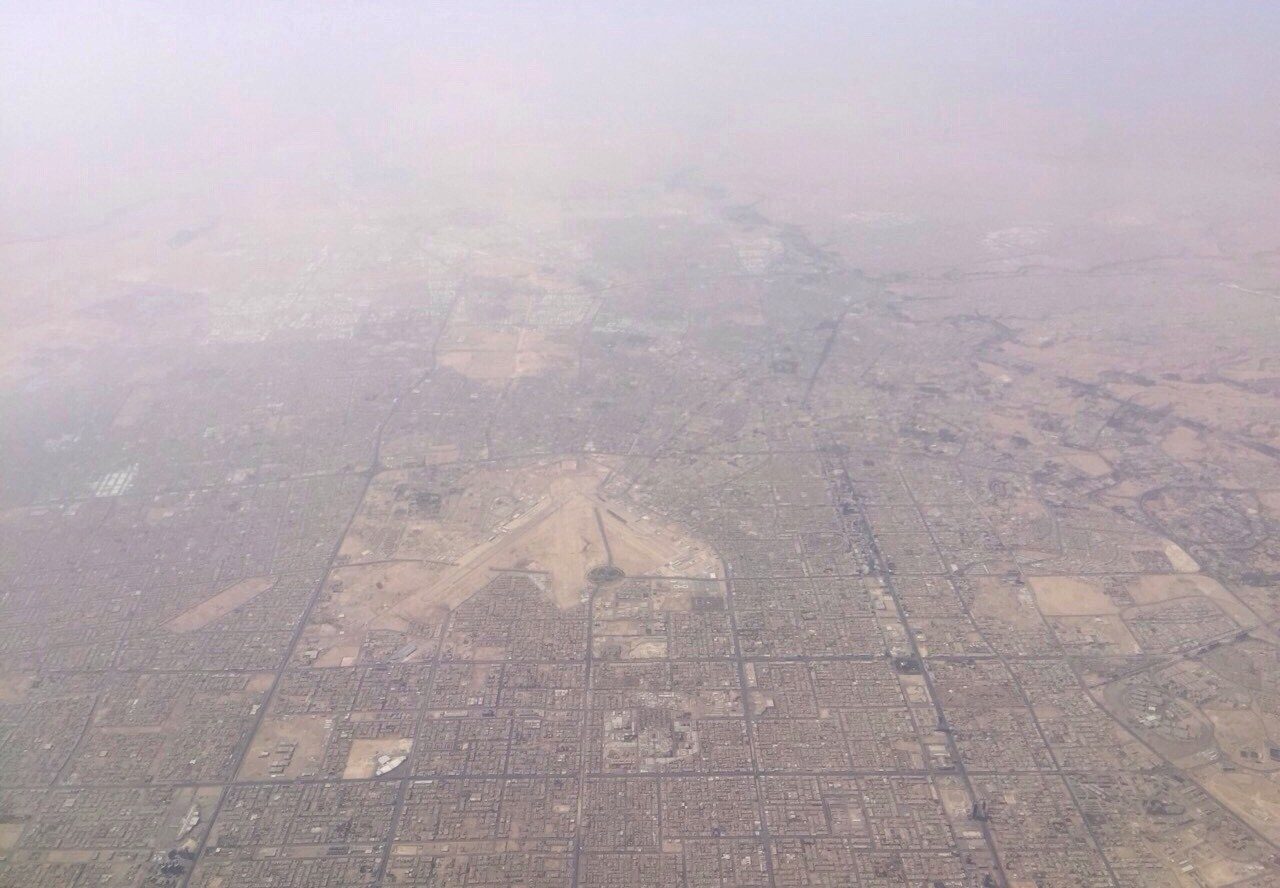
On Saturday, 10 October 2026, an attack hit King Khalid International Airport in Riyadh, the capital of Saudi Arabia. According to Saudi Arabia’s General Authority of Civil Aviation (GACA), at least 12 people were killed and more than 300 were wounded. Saudi Arabia blamed Yemen’s Houthis; it was the third attack on the airport that week. On 11 October, India’s Ministry of External Affairs (MEA) strongly condemned the repeated attacks, and the Embassy of India, Riyadh said 11 Indians were among the injured. This explainer answers the question many viewers asked: in this conflict, who backs whom, and where does Pakistan stand?
1. The attack and India’s response
GACA said the dead included four Saudi citizens, two Bangladeshis, and one person each from the United States, Jordan, Palestine, Syria, Sudan and Egypt; operations at the airport were temporarily suspended. Two days earlier, on Thursday 8 October, an attack on the same airport had killed at least three Saudi citizens, including a pilot. Al Jazeera described the 10 October strike as the deadliest attack on the kingdom in more than a decade.
The MEA said: “We strongly condemn the repeated attacks on Riyadh’s King Khalid International Airport over the past few days, including the dastardly attack on October 10.” It called attacks on civilians and civilian infrastructure “completely unacceptable”, said they “must cease immediately”, and expressed solidarity with Saudi Arabia “in defence of their sovereignty”. The Embassy of India, Riyadh, said it was in touch with local and hospital authorities about the 11 injured Indians.
2. Who backs whom in Yemen
Yemen is in a civil war. On one side are forces loyal to Yemen’s internationally recognised government. On the other are the Houthis, described in reports as Iran-backed, who hold territory including the capital, Sanaa. Saudi Arabia supports the government: a Saudi-led coalition fights in Yemen, and Saudi Arabia wages an air campaign in support of the government’s ground war. The attacks on Saudi airports are the Houthis striking back across the border.
3. Where Pakistan fits: the defence pacts
On 17 September 2025, Saudi Arabia and Pakistan signed the Strategic Mutual Defence Agreement (SMDA) in Riyadh. Its core idea: aggression against either country is to be treated as aggression against both. On 7 August 2026, Saudi Arabia, Pakistan and Turkey signed a new trilateral pact in Mecca, the Makkah Joint Defence Agreement (separate from the 2025 bilateral SMDA), under which an armed attack on any one of the three is regarded as an attack on all. The agreement as announced gave no specifics of each country’s military obligations.
On Monday, 5 October 2026, at an emergency meeting in Riyadh, the three countries agreed to move immediately to implement their collective defence commitments and to ensure the “rapid deployment” of agreed military forces and capabilities in Saudi Arabia, under “approved arrangements” and their national laws. Foreign Policy reported that this was the first time the Makkah pact had been invoked since it was signed.
4. India’s stake: people, oil and trade
According to the Embassy of India, Riyadh, the Indian community in Saudi Arabia numbers about 2.74 million, which the embassy calls “a living bridge between the two countries”. In FY 2024-25 India imported 33.14 million tonnes of crude oil from Saudi Arabia, 13.58% of its total crude imports, and 14.99% of its LPG imports. Saudi Arabia is India’s 5th largest trading partner, and India is Saudi Arabia’s 2nd largest; bilateral trade in FY 2025-26 stood at USD 41.07 billion.
5. The Red Sea angle: Bab-el-Mandeb
The Bab-el-Mandeb strait links the Red Sea with the Gulf of Aden. In September 2026 the Houthis captured the port of Mokha, about 80 km from the strait, and Mayun (Perim) Island, which sits inside it, and declared a blockade against Saudi shipping. By early October, reports (Gulf News, citing the Institute for the Study of War, 6 October 2026) said Houthi positions had pulled back from Perim towards Dhubab and Yemeni government forces claimed control of the strait, so control there is contested and changing. The blockade declaration came at a time when Saudi Arabia has been relying more on Red Sea routes because the Strait of Hormuz is disrupted. For India, which trades heavily with Saudi Arabia and the wider region, the security of these sea lanes matters directly.
Legal and institutional framework
- Ministry of External Affairs (MEA): issued India’s statement of 11 October 2026 condemning the attacks.
- Embassy of India, Riyadh: tracking the 11 injured Indian nationals.
- General Authority of Civil Aviation (GACA): Saudi aviation authority that released the casualty figures.
- Strategic Mutual Defence Agreement (SMDA): Saudi Arabia–Pakistan, signed 17 September 2025, Riyadh.
- Makkah Joint Defence Agreement: Saudi Arabia, Pakistan and Turkey, signed 7 August 2026, Mecca; first invoked after the 5 October 2026 emergency meeting.
CLAT angle
- GK / current affairs: dates and parties of the SMDA (2025) and the Makkah Joint Defence Agreement (2026).
- Geography: Bab-el-Mandeb joins the Red Sea and the Gulf of Aden; Perim Island lies inside the strait (seized by the Houthis in September 2026; reported Houthi pull-back in October).
- India’s foreign policy: diaspora (about 2.74 million in Saudi Arabia) and energy security (13.58% of crude imports) explain India’s quick condemnation.
- Passage reasoning: a passage on collective-defence pacts may ask what “an attack on one is an attack on all” implies, and what the pact does not specify.
Key facts
| Fact | Detail |
|---|---|
| Date of attack | 10 October 2026 (Saturday) |
| Target | King Khalid International Airport, Riyadh |
| Toll (GACA) | At least 12 killed, over 300 wounded |
| Indians injured | 11 (Embassy of India, Riyadh) |
| Blamed by Saudi Arabia | Yemen’s Houthis |
| India’s response | MEA condemnation, 11 October 2026 |
| Saudi–Pakistan SMDA | 17 September 2025 |
| Makkah Joint Defence Agreement | 7 August 2026: Saudi Arabia, Pakistan, Turkey |
| Indians in Saudi Arabia | About 2.74 million |
| Saudi share of India’s crude imports | 13.58% (FY 2024-25) |
Mnemonic
“S-P-T, 17-9 and 7-8”: Saudi, Pakistan, Turkey are the Makkah partners; the Saudi–Pakistan pact came on 17 September (2025), the trilateral pact on 7 August (2026). And “Bab = door”: Bab-el-Mandeb is the Red Sea’s southern door to the Gulf of Aden.
Sources
Al Jazeera (10 and 11 October 2026, citing Saudi GACA); The Hindu (11 October 2026, MEA statement); Outlook India (11 October 2026, Embassy of India, Riyadh; 13 September 2026, Bab-el-Mandeb); Embassy of India, Riyadh, India–Saudi bilateral relations page; Deccan Herald/PTI (18 September 2025, SMDA); ThePrint (7 August 2026, Makkah Joint Defence Agreement); Khaleej Times (6 October 2026) and Foreign Policy (6 October 2026) on the 5 October meeting.
Free in the CLAT Gurukul app
These notes (as a PDF lesson) and the 10-question CBT are in the app under Current Affairs → 12 Oct 2026. Get the app on Google Play or open app.clatgurukul.com.
Practice Quiz — 10 CLAT-Style Questions
Click an option to reveal the answer and explanation.






