VIDEO EXPLAINER | 31 OCTOBER 2026
The India-UK Comprehensive Economic and Trade Agreement entered into force on 15 July 2026, a year after it was signed in London on 24 July 2025. The companion Double Contribution Convention came into force the same day. About 99% of Indian exports now enter the UK duty-free. India has cut or removed tariffs on 90% of its tariff lines, including phased cuts on Scotch whisky (150% to 75%, then 40%) and quota-based cuts on cars (up to 110% down to 10%). It sits in India’s recent run of trade deals: UAE, Australia, EFTA, Oman, and the still-unsigned EU pact.
What happened
The UK gives services commitments in 137 sub-sectors of export interest to India, including IT/ITeS, education and professional services.
CETA gives 1,800 Indian chefs, yoga instructors and classical musicians a year dedicated mobility access to the UK.
India and the UK announced on 17 June 2026 that CETA would enter into force on 15 July 2026, after both sides completed their internal procedures and ratifications.
The DCC is expected to benefit more than 75,000 Indian professionals and over 900 companies.
CETA gives zero-duty access in the UK to about 99% of India’s exports (tariff lines), covering nearly 100% of trade value.
The India-UK Comprehensive Economic and Trade Agreement (CETA) entered into force on 15 July 2026.
India has removed or reduced tariffs on 90% of its tariff lines for UK products. 64% become duty-free at once, rising to 85% duty-free over time.
India’s duty on UK whisky and gin fell from 150% to 75% on day one and is staged down to 40% from year 10.
India cuts duty on UK cars from up to 110% to 10%, but only within a quota, not for all cars.
The car quota allows 378,000 conventional-engine passenger vehicles from the UK at concessional duty over the first 15 years.
Background and the rules behind it
The India-UK Double Contribution Convention was signed separately on 10 February 2026.
TEPA was the first Indian FTA with a binding investment and jobs commitment: USD 100 billion FDI and 1 million direct jobs in 15 years.
The India-Oman CEPA was signed in Muscat on 18 December 2025 and entered into force on 1 June 2026.
The India-EU FTA was announced as concluded on 27 January 2026 at the 16th India-EU Summit in New Delhi, with Ursula von der Leyen and Antonio Costa.
As of 20 August 2026 the India-EU FTA was not yet signed: legal scrubbing was complete and signing was expected by year-end.
Key terms
- CETA: Comprehensive Economic and Trade Agreement: the formal name of the India-UK free trade agreement.
- Double Contribution Convention (DCC): Social security pact that spares temporary workers from paying contributions in both countries.
- Tariff line: A single product category in a country’s customs tariff schedule.
- Tariff-rate quota: A set volume that enters at a lower duty; imports above it pay the normal duty.
- Entry into force: The date a signed treaty starts to bind the parties, after ratification and internal procedures.
- Legal scrubbing: Lawyers’ review of a concluded treaty text before formal signing.
Constitutional / Legal / Institutional framework
- India-UK CETA (signed 24 Jul 2025; in force 15 Jul 2026): 30-chapter FTA covering goods, services, government procurement, IP and digital trade. Tariff cuts are phased or quota-based for sensitive items (whisky, cars).
- India-UK Agreement on Social Security Contributions (DCC), signed 10 Feb 2026: Exempts temporary workers from UK national insurance contributions for up to 5 years (raised from 3).
CLAT angle
- Date traps: signed 24 July 2025 (London), concluded 6 May 2025, in force 15 July 2026, DCC signed 10 Feb 2026. Each is a separate MCQ option.
- Number traps: 99% (Indian exports duty-free in UK) vs 90% (UK tariff lines cut by India). Whisky 150->75->40%. Cars up to 110->10% within a quota. DCC exemption 3->5 years.
- Compare India’s FTAs: UAE CEPA (in force 1 May 2022), Australia ECTA (29 Dec 2022), EFTA TEPA (1 Oct 2025, $100 bn investment pledge), Oman CEPA (1 Jun 2026), EU FTA (concluded Jan 2026, not signed as of Aug 2026).
- Passage on protection of sensitive sectors: dairy, cereals, edible oils and apples were excluded.
Key facts
| Fact | Detail |
|---|---|
| 2021-05 | Roadmap 2030 and Enhanced Trade Partnership; Comprehensive Strategic Partnership |
| 2022-05-01 | India-UAE CEPA in force |
| 2022-12-29 | India-Australia ECTA in force |
| 2024-03-10 | India-EFTA TEPA signed |
| 2025-05-06 | India-UK CETA negotiations concluded |
| 2025-07-24 | CETA signed in London |
| 2025-10-01 | India-EFTA TEPA in force |
| 2025-12-18 | India-Oman CEPA signed in Muscat |
Mnemonic / memory hook
Remember the trap.
(1) CETA is the formal name; the media call it the India-UK FTA. (2) Separate the three dates: concluded 6 May 2025, signed 24 Jul 2025, in force 15 Jul 2026. (3) The 99% figure is India’s exports to the UK; the 90% figure is Indian tariff lines on UK goods. (4) Car cuts are quota-based.
Sources
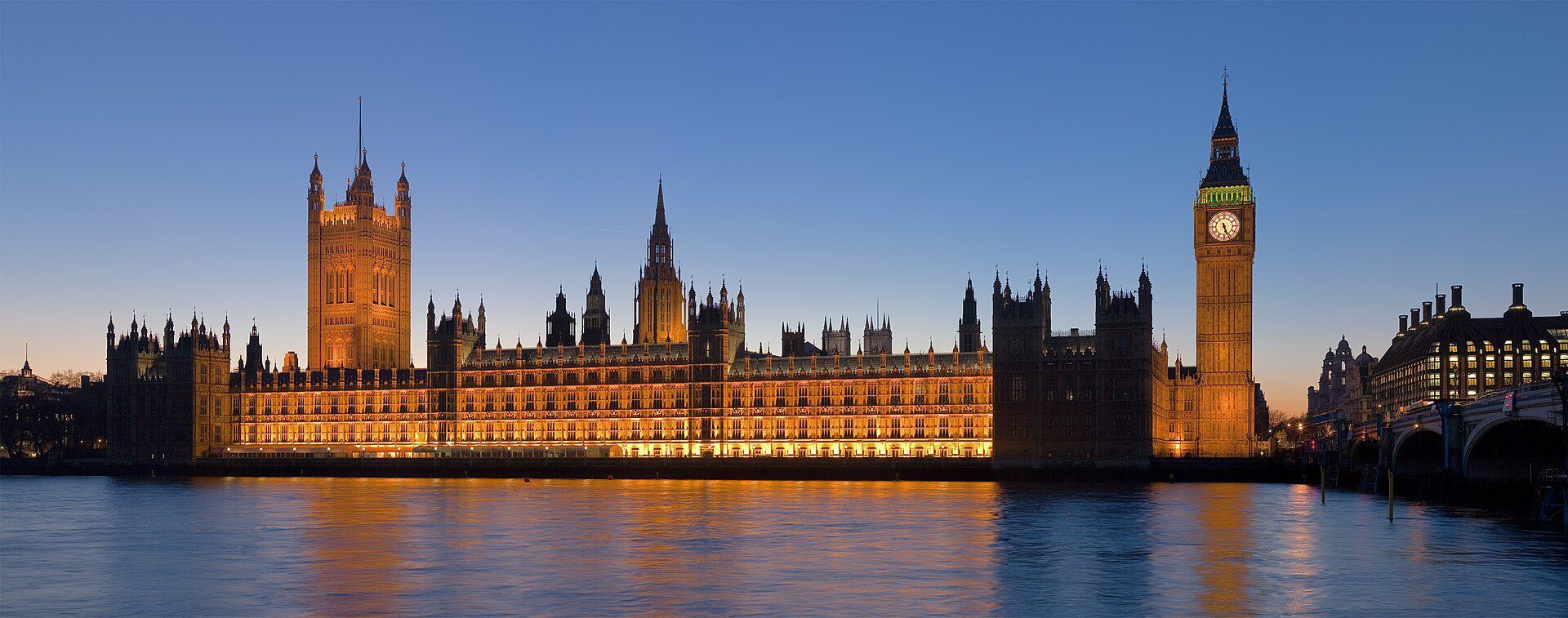
Primary documents and reporting listed in the fact base: pib.gov.in, business.gov.uk, gov.uk, business-standard.com, middleeastbriefing.com, aninews.in. Lead image: Photo: Diliff, CC BY-SA 2.5, via Wikimedia Commons.
Free in the CLAT Gurukul app
These notes (as a PDF lesson) and the 10-question CBT are in the app under Current Affairs → 31 Oct 2026. Get the app on Google Play or open app.clatgurukul.com.
Practice Quiz — 10 CLAT-Style Questions
Click an option to reveal the answer and explanation.