VIDEO EXPLAINER | 6 NOVEMBER 2026
This note follows the video on Israel’s election result of 27 October 2026 and the question of who can form the next government. Figures are as reported by the Jerusalem Post, the Times of Israel and Al Jazeera on 29 October to 5 November 2026. The Joint List and Ra’am have recommended opposition leader Gadi Eisenkot to President Isaac Herzog, but no government has been formed yet, and the story is still developing.
The arithmetic: 120 seats, 61 for a majority
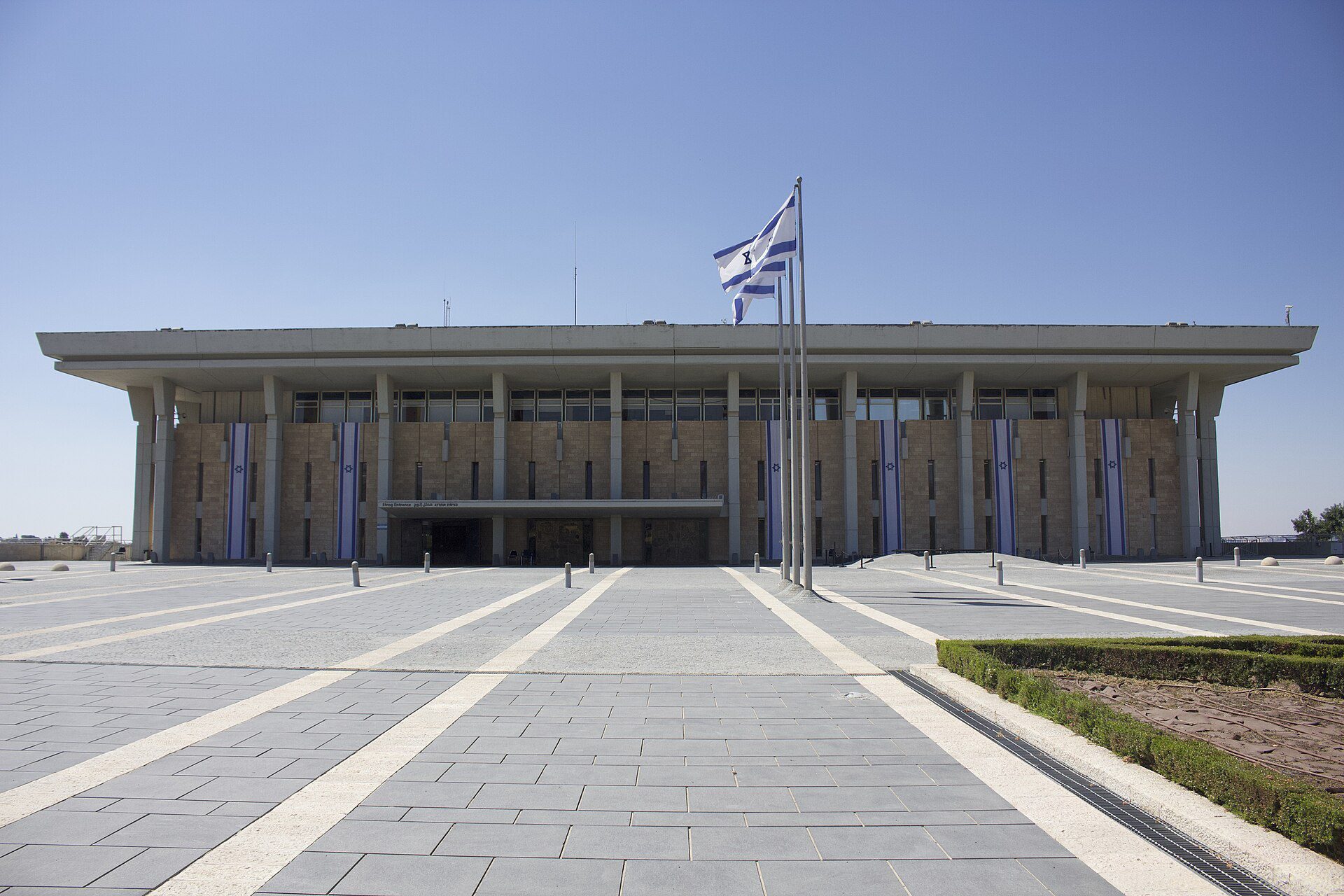
Israel’s Parliament is the Knesset. It has 120 seats, so a government needs 61. In the 27 October election the bloc of Prime Minister Benjamin Netanyahu won 53 seats and the bloc of Gadi Eisenkot won 48. No bloc has a majority: Netanyahu is 8 seats short and Eisenkot is 13 short. The remaining 19 seats went to Arab-led parties: the Joint List 11 and Ra’am 8 (as reported; Al Jazeera confirms the total of 19, a record for Arab-led parties). Together with the 48 of the Eisenkot bloc, that is the 67 that Eisenkot’s recommendations can reach, above the 61 mark.
Why no single party wins 61
Israel uses proportional representation. A party that crosses the 3.25 percent vote-share threshold gets seats in proportion to its share of the vote. India decides each constituency separately, so one party can win a majority of the 543 Lok Sabha seats (majority 272). In Israel no single party has ever won 61 seats, so every government is a coalition.
The President’s role
The President of Israel, Isaac Herzog, holds consultations with every party and asks whom it recommends. His role is mostly ceremonial, but, as with the President of India in a hung House, he decides who gets the first chance to form a government. The Joint List and Ra’am recommended Eisenkot in these consultations, and the Joint List called its decision unanimous. Degel HaTorah, the largest faction of United Torah Judaism, recommended no one, including Netanyahu. Recommending someone and joining his government are completely different things: reports say Eisenkot has so far refused to form a government with Arab parties, so the coalition picture is unclear.
The clock
The person given the mandate has 28 days to build a coalition, with a possible extension of 14 days, a total of up to 42 days (the Times of Israel confirms the 42-day maximum). If nobody gathers 61 seats, Israel goes to a new election, and Netanyahu stays as caretaker Prime Minister until then. Herzog’s decision on who gets the first chance had not been announced when this note was written.
India and Israel compared
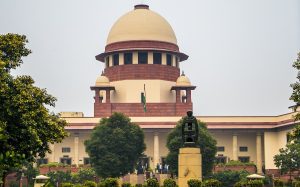
In both countries the Prime Minister is the person who commands a majority in Parliament: 61 of 120 in the Knesset, 272 of 543 in the Lok Sabha. The differences are the voting system (proportional representation against constituency-wise voting) and the number of parties needed, which is why Israel always has a coalition.
Constitutional / Legal / Institutional framework
Israel: Basic Law (The Knesset) and Basic Law (The Government): 120 members, a President who consults parties, a mandate of 28 days plus a 14-day extension. India: Article 75 (the Prime Minister is appointed by the President and the Council of Ministers is collectively responsible to the Lok Sabha) and Article 81 (Lok Sabha of up to 550 members).
CLAT angle
Compare parliamentary systems: how a government is formed in a hung House, what the head of state may decide, and how proportional representation differs from constituency-wise voting. Expect passage-based questions on coalition governments and the role of the head of state.
Key facts
Knesset 120 seats, majority 61. Result of 27 October 2026 as reported: 53, 48 and 19 (Joint List 11, Ra’am 8). 3.25 percent threshold. Mandate 28 days plus 14 days, 42 at most. Lok Sabha 543 seats, majority 272.
Mnemonic / memory hook
Remember 120, 61, 53, 48, 19: the 53 and 48 both stay below 61, and the 19 decide the balance. Israel needs 61, India needs 272.
Exam में याद रखें
- Knesset: 120 seats, 61 needed for a majority; Lok Sabha: 543 seats, 272.
- 27 October 2026 result: 53 (Netanyahu bloc), 48 (Eisenkot bloc), 19 Arab-led (Joint List 11, Ra’am 8).
- Proportional representation with a 3.25 percent threshold; no single party has ever won 61.
- President Isaac Herzog consults parties and decides who gets the first chance.
- 28 days plus a 14-day extension, 42 days at most; no majority means a new election.
Israel’s President is mostly ceremonial, yet in a hung House he decides who gets the first chance, as the President of India does.
Free in the CLAT Gurukul app
These notes (as a PDF lesson) and the 10-question CBT are in the app under Current Affairs → 6 Nov 2026. Get the app on Google Play or open app.clatgurukul.com.
Practice Quiz — 10 CLAT-Style Questions
Click an option to reveal the answer and explanation.