CURRENT AFFAIRS | 24 JULY 2026
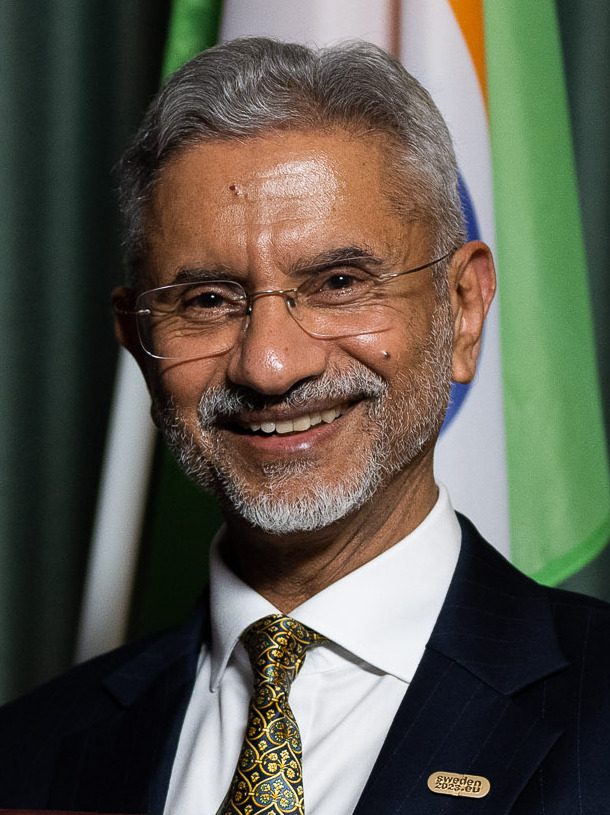
External Affairs Minister S. Jaishankar told the 33rd ASEAN Regional Forum (ARF) in Manila that there must be “zero tolerance for terrorism”, while flagging China’s “assertive” behaviour in the South China Sea and stressing that maritime disputes must be resolved under the UN Convention on the Law of the Sea (UNCLOS), 1982.
Constitutional & Legal Framework
- ASEAN Regional Forum (ARF): A 27-member security dialogue platform launched in 1994; India has been a member since 1996. It discusses political and security issues in the Asia-Pacific.
- UNCLOS, 1982: The UN Convention on the Law of the Sea governs rights and responsibilities in the use of the world’s oceans — territorial sea, EEZ, freedom of navigation.
- Indo-Pacific: India’s ‘Act East’ policy and the Indo-Pacific Oceans Initiative anchor its engagement with ASEAN centrality.
The CLAT Angle
CLAT frequently tests the ASEAN family of institutions (ARF, EAS, ADMM+) and UNCLOS concepts like the Exclusive Economic Zone (EEZ) and freedom of navigation. Note the difference: ASEAN has 10 members, but the ARF has 27 participants. Remember India follows ‘ASEAN centrality’ and the ‘Act East’ policy. A South China Sea question usually turns on UNCLOS and the 2016 Permanent Court of Arbitration award.
Key Facts at a Glance
| Event | 33rd ASEAN Regional Forum, Manila, Philippines |
| India represented by | EAM S. Jaishankar |
| Key message | Zero tolerance for terrorism; UNCLOS-based maritime order |
| ARF founded | 1994; India a member since 1996 |
| Legal instrument | UNCLOS, 1982 — EEZ, freedom of navigation |
Memory Hook: “ARF-27”
ASEAN Regional Forum — 27 participants (not 10); India joined in ’96.
Test Yourself: 10-Question Quiz
Attempt all 10 questions below and check your CLAT current-affairs readiness.
Practice Quiz — 10 CLAT-Style Questions
Click an option to reveal the answer and explanation.