

DAILY NEWS WRAP | 19 OCTOBER 2026
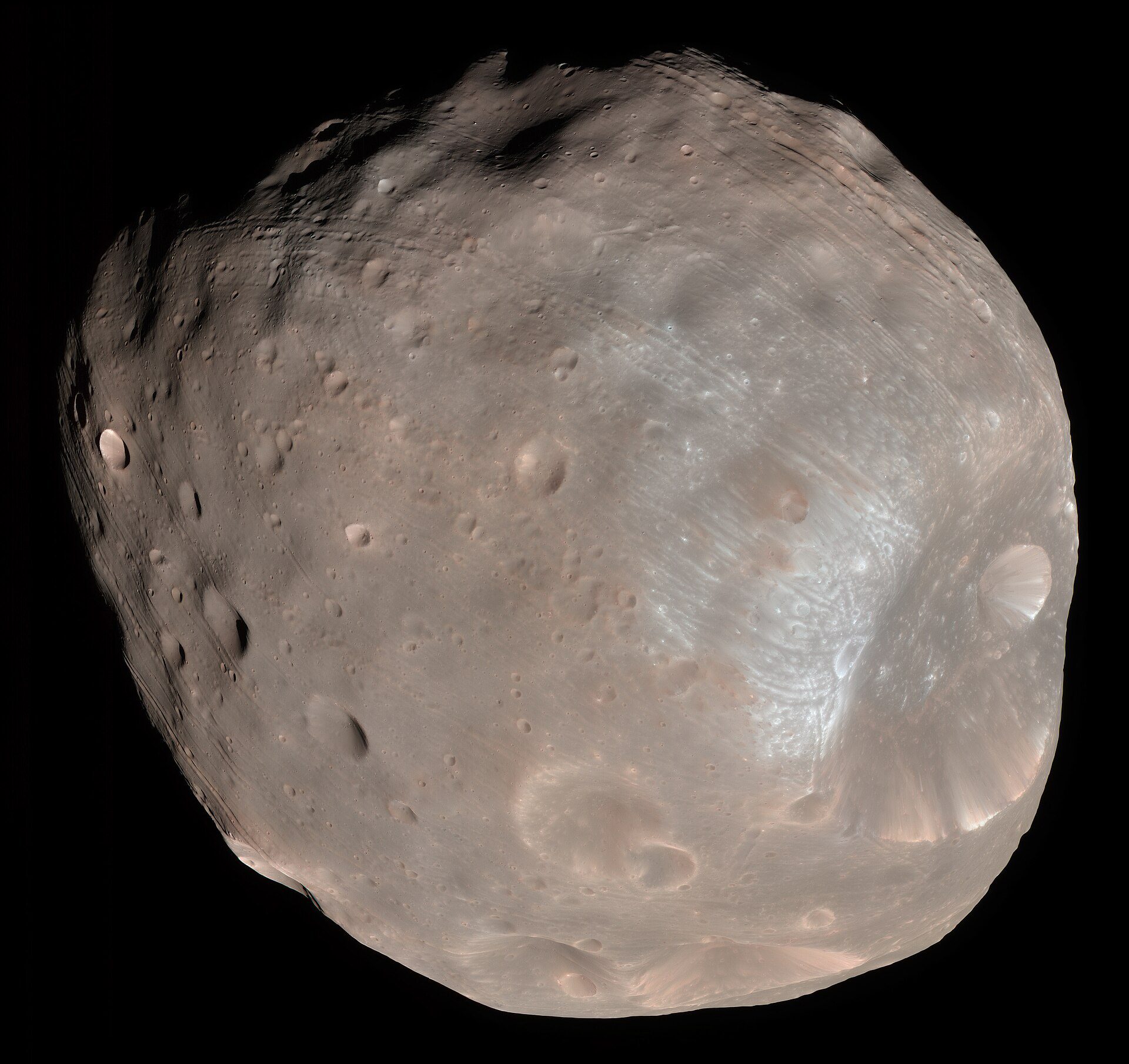
Japan’s space agency JAXA has scheduled its MMX (Martian Moons eXploration) mission to launch on 20 October 2026, at 04:41 Japan time, which is 01:11 IST. The rocket is Japan’s H3. The target is Phobos, a moon of Mars.
What the mission plans to do
MMX plans to collect at least 10 grams of material from Phobos and bring it back to Earth in 2031. If it succeeds, it will be the first mission to return to Earth after visiting the Mars system. Earlier missions have studied Mars and its moons from orbit or from the surface, but none has come back with material from that system.
Scheduled, not launched
At the time of this wrap, MMX has not yet launched. Its launch window runs to 7 November, so the date can still move. This is an important distinction for any exam answer. A question that asks whether MMX “has reached Phobos” or “has launched” must be answered from the status at the time of the source. The safe statement is that MMX was scheduled to launch on 20 October 2026.
The moons of Mars
Mars has two moons: Phobos and Deimos. MMX takes its name from them, Martian Moons eXploration, and Phobos is the moon it will sample. Remember the pair as a fixed GK item, and remember which of the two is the MMX target.
Reading the timeline
The launch is in 2026 and the sample return is planned for 2031, a span of about five years. The mission therefore combines a long outward journey, work at Phobos and a return trip. A passage may give these two years and ask for the length of the mission, or ask what can and cannot be concluded before the sample is back.
Constitutional, legal and institutional framework
- JAXA is the Japan Aerospace Exploration Agency, Japan’s national space agency.
- H3 is the Japanese launch vehicle scheduled to carry MMX.
- A launch window is the period in which a launch can take place; for MMX it runs to 7 November.
CLAT angle
- Status: MMX is scheduled to launch on 20 October 2026; it had not launched when this wrap was published.
- GK pair: Mars has two moons, Phobos and Deimos; MMX targets Phobos.
- Numbers: at least 10 g of material, return in 2031.
- Record: the first mission to return to Earth after visiting the Mars system, if it succeeds.
Key facts
| Fact | Detail |
|---|---|
| Mission | MMX (Martian Moons eXploration), JAXA, Japan |
| Scheduled launch | 20 October 2026, 04:41 JST (01:11 IST) |
| Rocket | H3 |
| Target | Phobos, a moon of Mars |
| Sample | At least 10 g; back on Earth in 2031 |
| Launch window | Runs to 7 November |
| Moons of Mars | Phobos and Deimos |
Memory hook
“Two moons, ten grams, 2031.” Mars has 2 moons; MMX plans to bring back at least 10 g of Phobos in 2031.
Sources
European Space Agency (13 October 2026); Nippon.com/Jiji; Astronomy.com (launch window).
This is one story from the CLAT Gurukul Daily News Wrap of 19 October 2026. Read the full wrap: Daily News Wrap, 19 October 2026.
Free in the CLAT Gurukul app
These notes (as a PDF lesson) and the 10-question CBT are in the app under Current Affairs → 19 Oct 2026. Get the app on Google Play or open app.clatgurukul.com.
Practice Quiz — 10 CLAT-Style Questions
Click an option to reveal the answer and explanation.