VIDEO EXPLAINER | 18 OCTOBER 2026
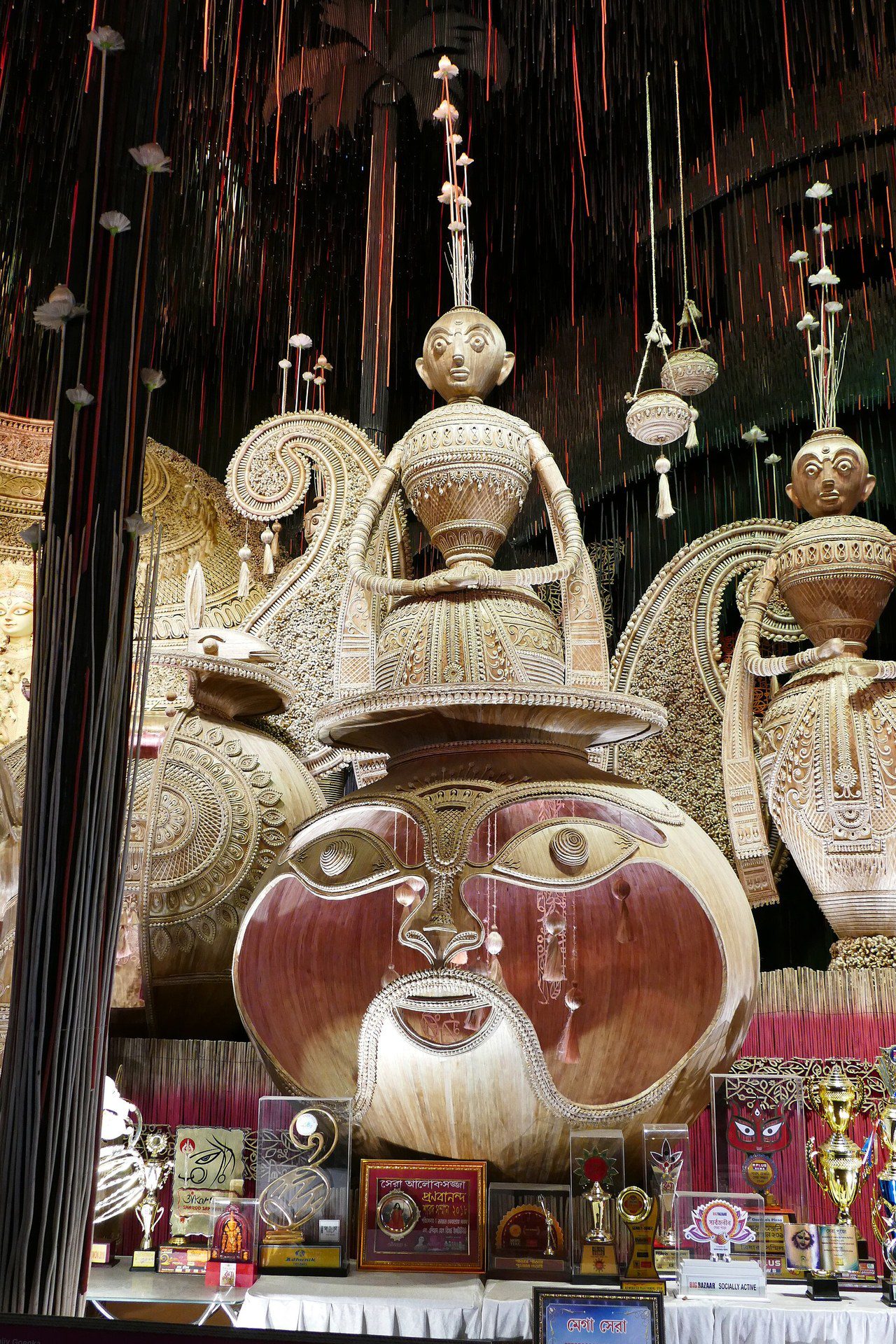
On the night of Saturday, 17 October 2026, a crowd crush outside the Chorbagan Sarbojanin Durga Puja pandal in north Kolkata left at least 19 people dead and 25 injured, according to officials. Our thoughts are with the families who lost someone, and with everyone who is recovering. This explainer does not assign blame; an investigation is under way. It sets out what has been reported, and then the law that decides who must keep a crowd safe: the Disaster Management Act, 2005, the NDMA crowd-management guide (2014), Section 106 of the Bharatiya Nyaya Sanhita, 2023, and Article 21 of the Constitution.
1. What has been reported
A long queue had formed outside the pandal. According to a police official, rain began, an announcement caused commotion, and the crowd pushed forward. Police detained the organisers, private security staff and on-duty staff; on 18 October seven people, including organisers, were arrested and remanded to police custody. Arrest is not a finding of guilt: an investigation team headed by a High Court judge will examine what went wrong. Until it reports, the cause remains a matter for the inquiry.
One medical fact explains why crowd crushes are so deadly. Most deaths in a stampede are not caused by trampling. They are caused by traumatic asphyxia: the chest is compressed so hard by the pressure of bodies that a person cannot breathe. This is why the law and the guidelines focus on stopping a crowd from becoming too dense in the first place.
2. The three-tier duty under the Disaster Management Act, 2005
The Disaster Management Act, 2005 defines a disaster widely enough to include events arising from man-made causes, accident or negligence, not only floods and earthquakes. It sets up authorities at three levels:
- National: the National Disaster Management Authority (NDMA), established under Section 3 and chaired by the Prime Minister. It lays down national policies and guidelines.
- State: the State Disaster Management Authority (SDMA), under Section 14, chaired by the Chief Minister.
- District: the District Disaster Management Authority (DDMA), under Section 25, chaired by the District Collector / District Magistrate. It is the planning and coordinating body on the ground.
The point for crowd safety: responsibility is shared. Organisers run the venue, but the district administration and police are responsible for planning, permissions and coordination for large gatherings.
3. What the NDMA crowd guide asks for
In 2014 the NDMA published “Managing Crowds at Events and Venues of Mass Gathering”, a guide for state governments, local authorities, administrators and organisers. Its core idea is that safety is planned before the event, not improvised during it. The key points are:
- Capacity planning: know how many people a venue and its approach roads can hold, and stop entry before that limit.
- Risk assessment: study the site for bottlenecks, slopes, narrow lanes and weather risks.
- Entry and exit plan: separate, clearly marked routes, with queues managed by barricades.
- Crowd monitoring: watch density in real time and act early.
- Emergency and evacuation plans: drills, medical teams and clear communication ready before the event.
4. Criminal liability: BNS Section 106
When a death is caused by negligence, the criminal law applies. Section 106(1) of the Bharatiya Nyaya Sanhita, 2023 punishes causing death by any rash or negligent act not amounting to culpable homicide, with imprisonment of up to 5 years and a fine. Its predecessor, Section 304A of the Indian Penal Code, carried up to 2 years. Whether anyone was negligent, and who, is for the investigation and the courts to decide.
5. Article 21 and prevention
Article 21 provides that no person shall be deprived of life or personal liberty except according to procedure established by law. Courts have read it to include a duty on the State to protect life, which is why public safety at mass gatherings is a constitutional concern and not only an administrative one. Prevention comes down to a few habits: enforce capacity, keep exits open, make calm and clear announcements, plan for rain, and give the crowd room to move.
Legal and institutional framework
- Disaster Management Act, 2005: NDMA (s.3, chaired by the PM) · SDMA (s.14, chaired by the CM) · DDMA (s.25, chaired by the Collector / DM).
- NDMA guide (2014): “Managing Crowds at Events and Venues of Mass Gathering”.
- BNS 2023, s.106(1): death by negligence, up to 5 years + fine (earlier IPC s.304A, up to 2 years).
- Article 21: right to life; the State’s duty to protect life.
CLAT angle
- Legal Reasoning: a passage on negligence can ask whether a duty of care existed, whether it was breached, and whether the breach caused the death.
- Know the three tiers of the DM Act and who chairs each authority.
- Know the IPC-to-BNS shift: 304A became 106(1), and the maximum rose from 2 to 5 years.
- GK: the NDMA crowd guide, 2014, and the idea of shared responsibility.
Key facts
| Fact | Detail |
|---|---|
| Date | Night of Saturday, 17 October 2026 |
| Place | Chorbagan Sarbojanin Durga Puja pandal, north Kolkata |
| Toll (officials) | At least 19 dead, 25 injured |
| Inquiry | Team headed by a High Court judge |
| Main cause of death in crushes | Traumatic asphyxia (chest compression) |
| NDMA | DM Act s.3, chaired by the Prime Minister |
| SDMA | DM Act s.14, chaired by the Chief Minister |
| DDMA | DM Act s.25, chaired by the Collector / DM |
| BNS s.106(1) | Up to 5 years + fine |
Memory hook: “3-14-25, then 106”
Section 3 national, Section 14 state, Section 25 district: the DM Act’s three tiers. Then BNS 106 for death by negligence, up to 5 years.
Sources
Officials’ statements as reported by Al Jazeera, Xinhua and Indian outlets (17–18 October 2026); the Disaster Management Act, 2005; NDMA, “Managing Crowds at Events and Venues of Mass Gathering” (2014); the Bharatiya Nyaya Sanhita, 2023; the Constitution of India.
Free in the CLAT Gurukul app
These notes (as a PDF lesson) and the 10-question CBT are in the app under Current Affairs → 18 Oct 2026. Get the app on Google Play or open app.clatgurukul.com.
Practice Quiz — 10 CLAT-Style Questions
Click an option to reveal the answer and explanation.