CURRENT AFFAIRS | 31 MARCH 2026
CLAT GK + INTERNAL SECURITY & CONSTITUTIONAL LAW
– Left-Wing Extremism (LWE) timeline and elimination strategy
– CAPF structure (BSF, CRPF, CISF, ITBP, SSB)
– Fifth Schedule and administration of Scheduled Areas (Art. 244)
– UAPA 1967, PESA Act 1996, Forest Rights Act 2006
– Landmark case: Nandini Sundar v. State of Chhattisgarh (2011)
India Declared ‘Naxal-Free’: What Happened?
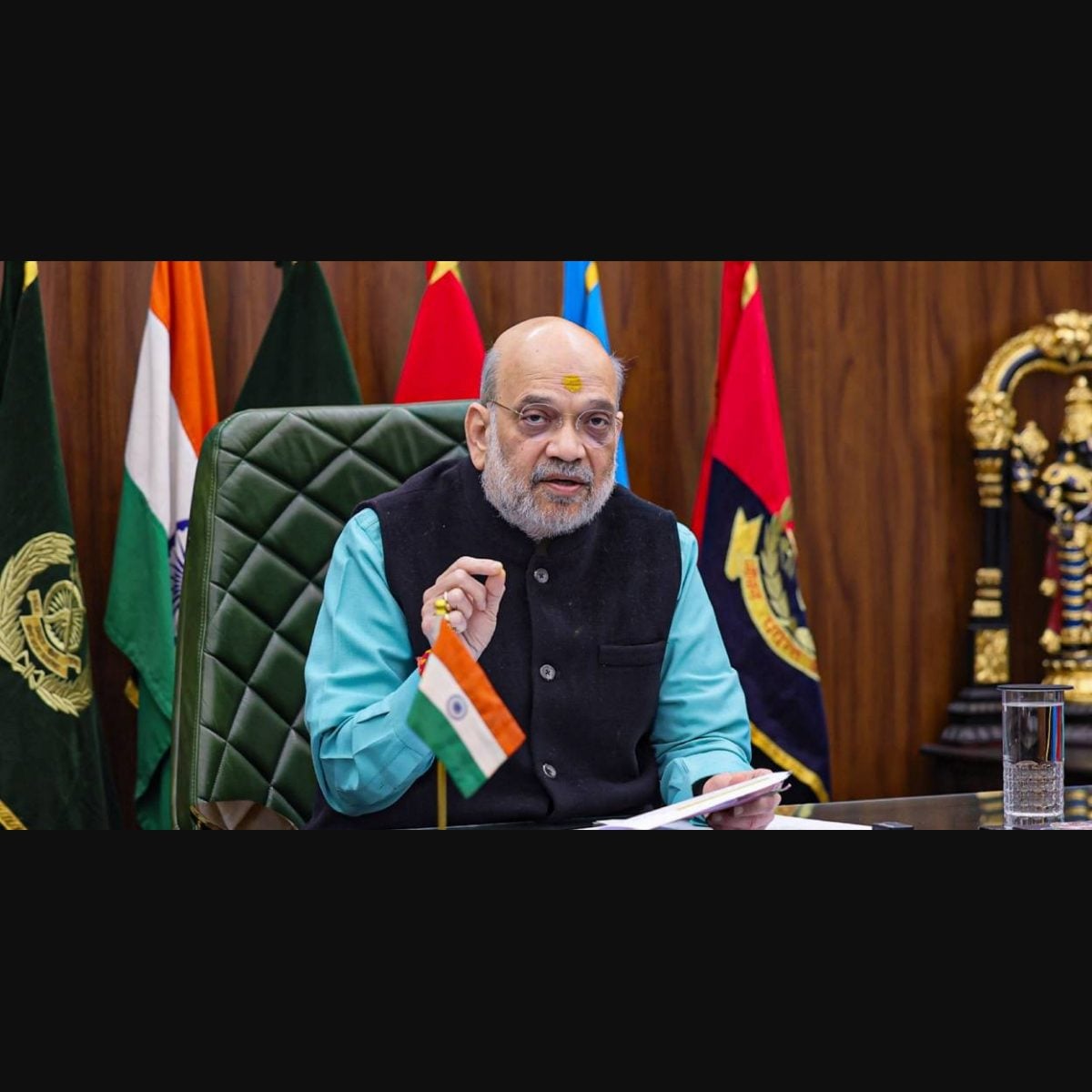
On 30 March 2026 — one day before his self-imposed deadline — Union Home Minister Amit Shah declared in the Lok Sabha that India has become virtually Naxal-free, with the CPI(Maoist) Politburo and Central Committee structures almost completely dismantled. Shah had set 31 March 2026 as the deadline for eliminating Left-Wing Extremism (LWE) from the country.
The declaration marks the culmination of an intensified anti-Maoist campaign that began in 2024, involving coordinated operations by Central Armed Police Forces (CAPFs), state police, and intelligence agencies across Chhattisgarh, Jharkhand, Telangana, Maharashtra, and Odisha.
Key Statistics: The Anti-LWE Campaign
| Metric | Data |
| Maoists surrendered | 4,839+ (2024-March 2026) |
| Maoists arrested | 2,218+ |
| Maoists neutralised | 706+ (including CPI(Maoist) General Secretary) |
| Affected districts (2014) | 126 districts, 35 most-affected |
| Affected districts (2026) | 2 districts, 0 most-affected |
| New fortified police stations | 596 in 11 years |
| New CAPF camps | 406 in 6 years |
The Security Strategy: A Dual Approach
The government’s strategy combined intensive security operations with development initiatives in tribal regions:
- Military operations — A 21-day operation on a strategic hill on the Telangana-Chhattisgarh border dismantled a permanent Maoist camp with five years of food supplies for 400-500 cadres
- Leadership decapitation — 12 top leaders killed, including the CPI(Maoist) General Secretary; state committee structures in MP, Maharashtra, Chhattisgarh completely dismantled
- Development push — Schools, ration shops, Primary Health Centres, and roads built in previously inaccessible Bastar villages
- Rehabilitation — Government offered reintegration for surrendered Maoists into mainstream society
Constitutional and Legal Framework
– Article 19(2) — Reasonable restrictions on free speech in the interest of sovereignty, integrity, and public order
– Article 244 — Administration of Scheduled Areas and Tribal Areas (Fifth and Sixth Schedules)
– Fifth Schedule — Provides for Tribes Advisory Councils and special administration in Scheduled Areas
– UAPA 1967 — Unlawful Activities (Prevention) Act — used to designate CPI(Maoist) as banned organisation
– PESA Act 1996 — Panchayats (Extension to Scheduled Areas) Act — extends local self-governance to tribal areas
– Forest Rights Act 2006 — Recognises rights of forest-dwelling tribal communities over land and resources
Landmark Case: Nandini Sundar v. State of Chhattisgarh (2011)
In Nandini Sundar v. State of Chhattisgarh (2011), the Supreme Court struck down the Salwa Judum — a state-backed civilian militia armed to fight Maoists in Chhattisgarh. The Court held that:
- Arming civilians to fight insurgents violates Article 21 (Right to Life) of both the tribal population and the armed civilians
- The state cannot abdicate its duty to maintain law and order by deputising untrained civilians
- The use of Special Police Officers (SPOs) as armed combatants was unconstitutional
This judgment fundamentally shaped the government’s subsequent approach — relying on professional CAPF forces rather than civilian militias.
– GK: LWE timeline (Naxalbari 1967 to 2026), CAPF structure (5 forces + Assam Rifles), district-level reduction stats
– Constitutional Law: Fifth Schedule (Art. 244), Tribes Advisory Council, PESA Act as decentralisation model
– Legal Reasoning: Nandini Sundar — state’s duty under Art. 21 vs. counter-insurgency methods; UAPA provisions for banning organisations
– Current Affairs: March 31, 2026 deadline — government’s claim vs. opposition’s caution
B — Banned under UAPA (CPI-Maoist)
A — Article 244 + Fifth Schedule (tribal governance)
S — Salwa Judum struck down (Nandini Sundar 2011)
T — Tribal rights under Forest Rights Act 2006
A — Armed forces: CAPFs (BSF, CRPF, CISF, ITBP, SSB)
R — Rehabilitation + Development (dual approach)
Source: Onmanorama, The Siasat Daily, Asian Mirror — 30 March 2026
Practice Quiz
Test your understanding with these 10 MCQs:
Practice Quiz — 10 CLAT-Style Questions
Click an option to reveal the answer and explanation.