Watch the video explainer · open on YouTube
VIDEO EXPLAINER | 16 OCTOBER 2026
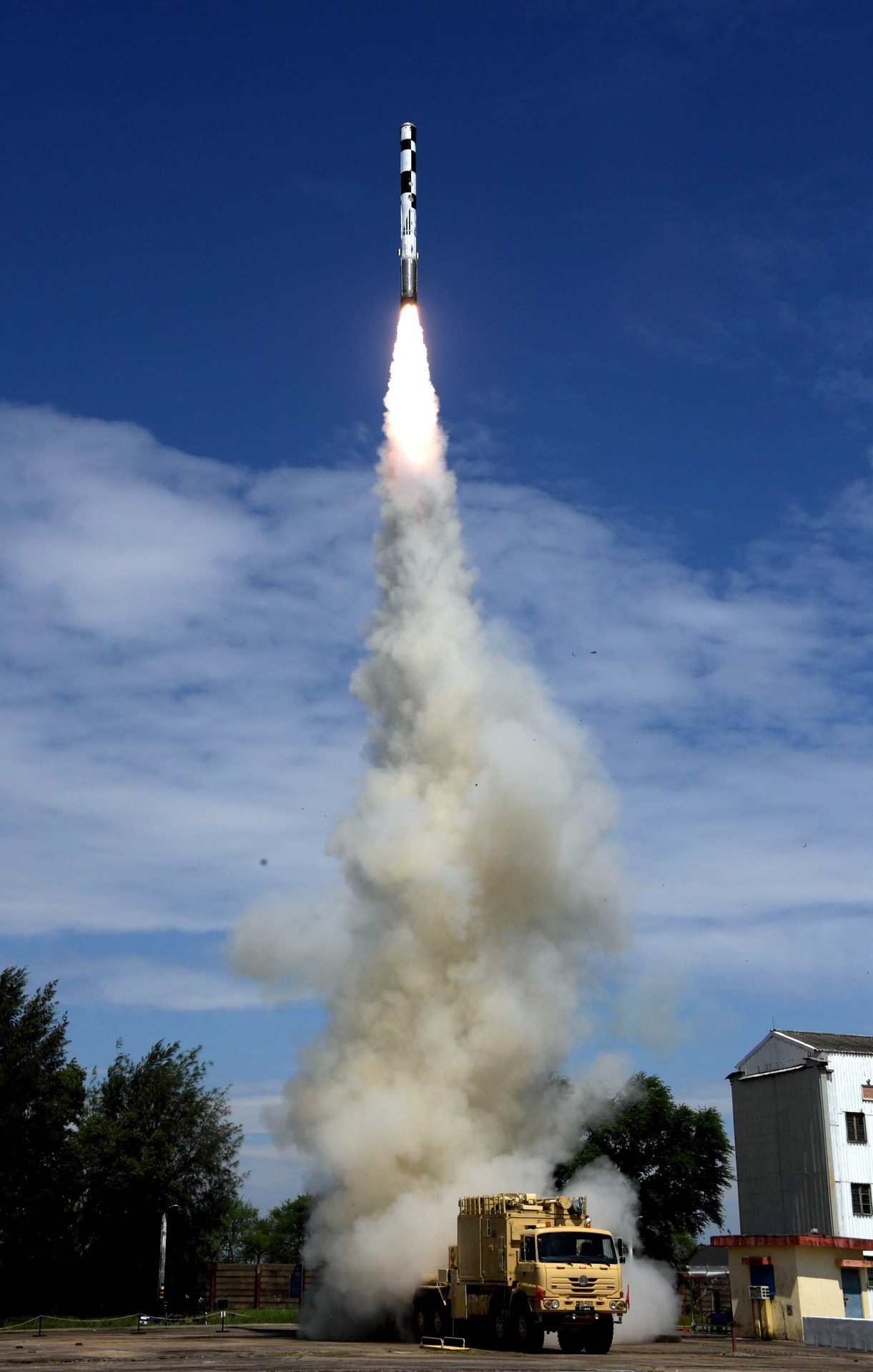
A missile that was once held to a 290 km range is now an Indian export. BrahMos, built by BrahMos Aerospace, was capped below the 300 km line while India stood outside the Missile Technology Control Regime (MTCR). India became the regime’s member on 27 June 2016, and the cap was removed. On 1 October 2026 the Defence Secretary told ANI that BrahMos exports will cross $600 million. This explainer shows how the regime works and why membership changed what India could sell.
1. What the MTCR is
The MTCR is an informal political group of countries that coordinate export controls on missiles and related technology. It was founded in 1987 by the G7 countries: Canada, France, Germany, Italy, Japan, the United Kingdom and the United States. It now has 35 members, which it calls partners. It is a club with shared guidelines, not a treaty with an inspection body.
2. The core rule: Category I
The guidelines place complete rocket systems and unmanned aerial vehicle systems, including cruise missiles, in Category I when they exceed a 300 km range and 500 kg payload threshold. For Category I items, the MTCR says the greatest restraint is applied to exports. Note what the rule controls: the transfer of missile technology between countries. It does not cap what a member builds for its own use.
3. Why BrahMos stopped at 290 km
While India was outside the regime, BrahMos stayed at 290 km, just under the 300 km line. Once India was admitted as the 35th member on 27 June 2016, the MTCR Chair reported the accession, and the range cap on BrahMos was lifted. On 11 March 2017 an extended-range BrahMos was test-fired from the Integrated Test Range at Chandipur, with an official range in excess of 400 km.
4. The other export-control regimes
The MTCR was the first of three. India joined the Wassenaar Arrangement as its 42nd participating state on 8 December 2017, and the Australia Group as its 43rd member on 19 January 2018. The gap is the Nuclear Suppliers Group (NSG). India applied in May 2016, but there was no consensus at the June 2016 Seoul plenary. India is not a member of the NSG, which has 48 participating governments.
5. From controlled to exporter
In January 2022 the Philippines signed a $374.96 million contract with BrahMos Aerospace for three shore-based anti-ship batteries, with training and logistics. In 2026 the Defence Secretary said exports across the Philippines, Vietnam and Indonesia will exceed $600 million. The figures for Vietnam and Indonesia are his approximate estimates, not published contract values. The exported Philippine system is the shore-based anti-ship version, and no source claims it carries the longer range.
Institutional framework
- MTCR: informal export-control regime founded in 1987 by the G7; 35 partners; Category I threshold of 300 km and 500 kg.
- Wassenaar Arrangement: India admitted as the 42nd participating state, December 2017.
- Australia Group: India the 43rd member, January 2018.
- Nuclear Suppliers Group: 48 participating governments; India applied in 2016 and is not a member.
- BrahMos Aerospace: the maker of BrahMos, the missile at the centre of the story.
CLAT angle
- GK: expect direct questions on the order and dates: MTCR (2016), Wassenaar (2017), Australia Group (2018).
- Trap: India is a member of three regimes but not the NSG. Read every option on membership carefully.
- Passages: a passage on export controls may test whether you see that the MTCR governs transfers, not a member’s own programmes.
- Numbers: 300 km and 500 kg define Category I; 290 km was the BrahMos cap.
- Application: reason from the rule, such as which tool a group of states uses when it has no treaty body.
Key facts
| Fact | Detail |
|---|---|
| MTCR founded | 1987, by the G7 countries |
| MTCR members | 35 |
| Category I threshold | 300 km range and 500 kg payload |
| BrahMos range cap before MTCR | 290 km |
| India joins MTCR | 27 June 2016, as the 35th member |
| Extended-range BrahMos test | 11 March 2017, ITR Chandipur, range in excess of 400 km |
| Wassenaar Arrangement | 42nd participating state, 8 December 2017 |
| Australia Group | 43rd member, 19 January 2018 |
| Nuclear Suppliers Group | India is not a member (48 participating governments) |
| Philippines BrahMos contract | $374.96 million, 3 shore-based anti-ship batteries, 28 January 2022 |
Mnemonic
“MWA, then N is missing.” MTCR 2016, Wassenaar 2017, Australia Group 2018, but the NSG is still outside. For the rule: 3-5-0, as in 300 km and 500 kg.
Sources
MTCR website (mtcr.info): partners, guidelines and the Chair’s report on India’s accession (27 June 2016); BrahMos Aerospace press release of 11 March 2017; Wassenaar Arrangement statement of 8 December 2017; Arms Control Association on India joining the Australia Group (March 2018); Tribune India report on the January 2022 Philippines contract; ANI and Defence Watch reports of the Defence Secretary’s remarks on 1 October 2026.
Free in the CLAT Gurukul app
These notes (as a PDF lesson) and the 10-question CBT are in the app under Current Affairs → 16 Oct 2026. Get the app on Google Play or open app.clatgurukul.com.
Practice Quiz — 10 CLAT-Style Questions
Click an option to reveal the answer and explanation.