DAILY NEWS WRAP | 22 OCTOBER 2026
What happened
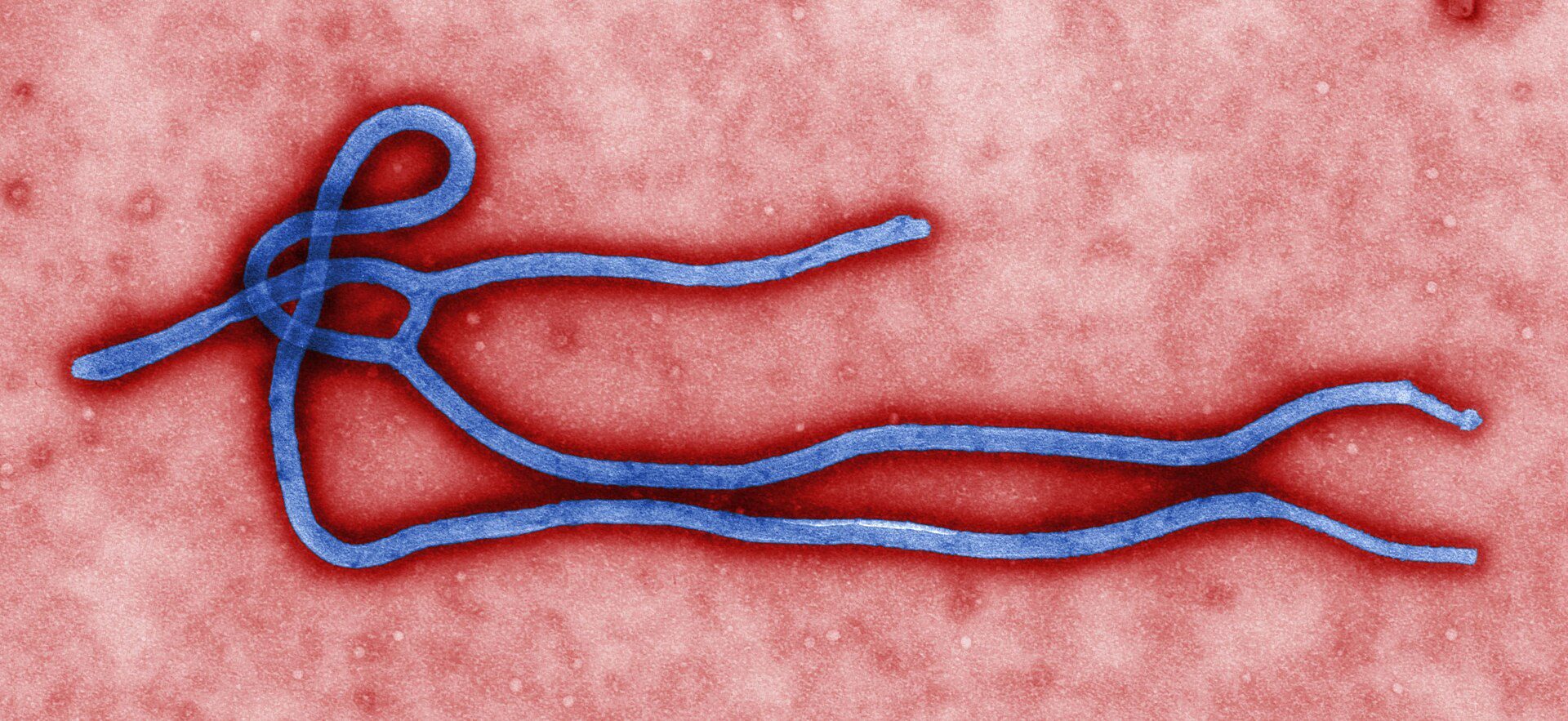
Nigeria has confirmed a case of Ebola virus disease caused by the Bundibugyo virus. Laboratory tests confirmed the infection on 20 October 2026, and the World Health Organization’s Africa office reported it the same day. It is Nigeria’s first case in the current outbreak, and it is an imported case: the patient, a woman, had recently travelled from Uganda.
According to WHO, she arrived in Nigeria about four days before her symptoms began on 7 October, and she was later seen at a private clinic in Abuja. She is now in isolation. Health authorities have identified 44 contacts, who are being monitored. WHO says it is supporting Nigeria with case investigation, contact tracing, infection prevention and control, and supplies such as protective equipment.
The case is part of a large regional outbreak that began in the Democratic Republic of the Congo (DRC), declared on 15 May 2026. WHO counted more than 9,500 cases and over 4,200 deaths in the DRC as of 18 October. Nigeria is the fifth country to detect the virus since then. Kenya, which reported cases earlier in October, is also dealing with the Bundibugyo strain.
Some headlines call this Nigeria’s ‘first Ebola case’, but that is true only of the current outbreak. In 2014, during the West African epidemic, Nigeria had 20 cases and 8 deaths from the Zaire strain after an infected traveller arrived in Lagos. WHO declared Nigeria Ebola-free on 20 October 2014, and its rapid contact tracing is still cited as a model.
The Bundibugyo virus was first identified in Uganda in 2007. Unlike the Zaire strain, which has a licensed vaccine (Ervebo), there is no approved vaccine or specific treatment for Bundibugyo disease. Care is supportive: fluids, oxygen and treatment of complications.
- Orthoebolavirus: the virus genus that causes Ebola disease; the ICTV renamed it from ‘Ebolavirus’ in 2023.
- Imported case: an infection picked up in another country, then detected here.
- Contact tracing: finding and monitoring everyone exposed to a patient.
- Six species of orthoebolavirus: Zaire, Sudan, Bundibugyo, Taï Forest, Reston, Bombali.
- Human disease is linked to Zaire, Sudan, Bundibugyo and Taï Forest. Reston and Bombali have no proven human disease.
- Bundibugyo virus: first identified in Uganda, 2007; no licensed vaccine.
- Air travel can carry an outbreak far from its source, so early detection and tracing matter.
- WHO (HQ Geneva) coordinates international response under the International Health Regulations (2005).
- Nigeria lab confirmation: 20 Oct 2026 · imported from Uganda · 44 contacts.
- Nigeria 2014: 20 cases, 8 deaths (Zaire strain); declared free on 20 Oct 2014.
Sources: WHO Regional Office for Africa (20 Oct 2026), UN News (Oct 2026), Vanguard (Oct 2026), ABC News (Oct 2026), Al Jazeera (16 Oct 2026); 2014: Mail & Guardian (20 Oct 2014).
Free in the CLAT Gurukul app
These notes (as a PDF lesson) and the 10-question CBT are in the app under Current Affairs → 22 Oct 2026. Get the app on Google Play or open app.clatgurukul.com.
Practice Quiz — 10 CLAT-Style Questions
Click an option to reveal the answer and explanation.