CURRENT AFFAIRS | 25 JULY 2026
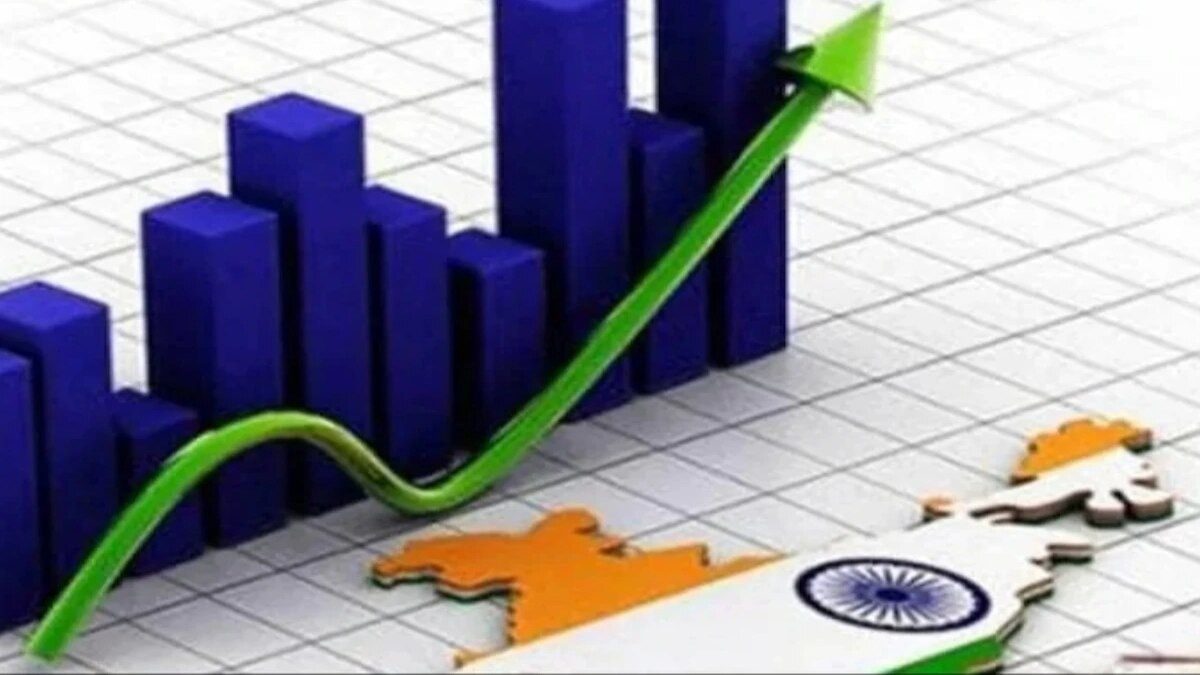
The Reserve Bank of India, in its July 2026 Bulletin, described the Indian economy as “resilient” in the face of geopolitical tensions and supply-chain disruptions, powered by robust domestic demand and steady industrial and services performance. In the same breath, however, the central bank trimmed its FY2026-27 GDP growth forecast to 6.6% (from 6.9%) and raised its inflation projection to 5.1% (from 4.6%), citing higher LPG and commodity prices. The Bulletin also flagged that scheduled commercial banks ended FY26 with multi-decadal-high capital ratios and the lowest gross NPAs in decades — a snapshot that regularly surfaces in CLAT’s current-affairs and quantitative sections.
Statutory & Institutional Framework
The RBI is constituted under the Reserve Bank of India Act, 1934. Its Monetary Policy Committee (MPC) — a six-member body — is mandated to keep CPI inflation at 4% within a +/- 2% band. Bank-stability metrics like CRAR and CET1 flow from the Banking Regulation Act, 1949 read with Basel III norms.
Why This Matters for CLAT
Expect direct GK on the revised growth (6.6%) and inflation (5.1%) figures, plus reasoning on the growth-inflation trade-off. Quantitative Techniques may frame a passage around CRAR (17.7%), CET1 (15.3%) and NPA trends. Knowing the difference between the RBI Act and the MPC’s inflation-targeting mandate is high-yield.
Key Facts at a Glance
| Document | RBI July 2026 Bulletin |
| FY27 GDP growth | Trimmed to 6.6% (from 6.9%) |
| Inflation projection | Raised to 5.1% (from 4.6%) |
| Bank CRAR | 17.7% (multi-decadal high) |
| Bank CET1 | 15.3% |
| Gross NPAs | Lowest in decades |
| Governing law | RBI Act, 1934; MPC framework |
Memory Hook
“GROWTH DOWN, PRICES UP, BANKS STRONG.” — 6.6 down, 5.1 up, CRAR/CET1 at record highs. Picture a see-saw: growth dips to 6.6, inflation climbs to 5.1, while banks sit steady on a solid capital cushion.
Test Yourself: 10 CLAT-Style MCQs
Practice Quiz — 10 CLAT-Style Questions
Click an option to reveal the answer and explanation.