

CURRENT AFFAIRS | 11 OCTOBER 2026
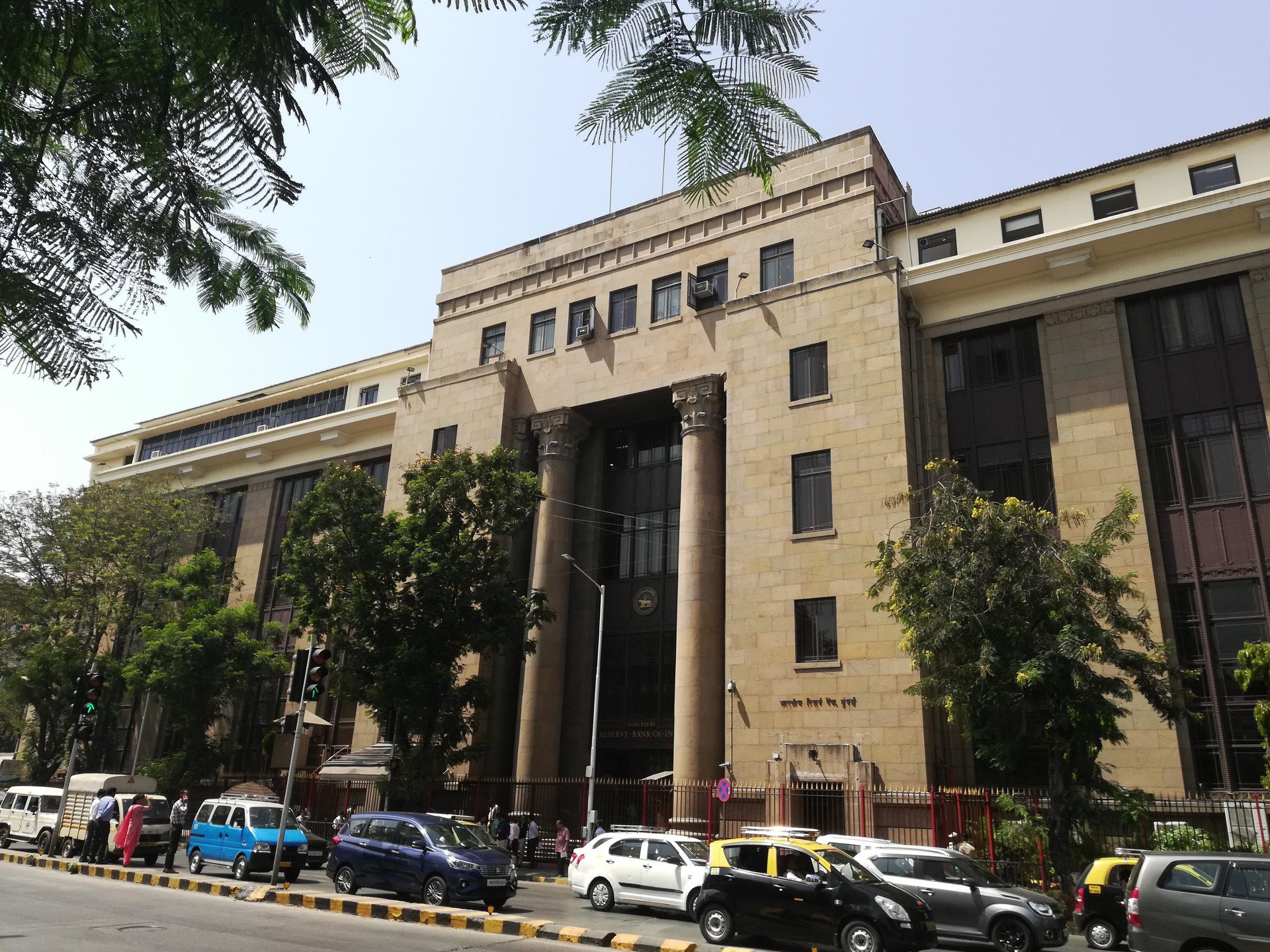
The Reserve Bank of India (RBI) has opened a special dollar window for India’s three public sector oil marketing companies (OMCs) — Indian Oil Corporation Limited (IOCL), Hindustan Petroleum Corporation Limited (HPCL) and Bharat Petroleum Corporation Limited (BPCL). According to RBI press release 2026-2027/1306, issued on Saturday, 10 October 2026, the central bank will meet the entire daily dollar requirements of these companies. The facility comes into effect from Monday, 12 October 2026, and will remain in place until further notice.
The RBI said it took the decision “on the basis of assessment of current market conditions”. Under the facility, the RBI will sell US dollars to the three OMCs through designated bank(s). As The Hindu reported on 10 October, the move is aimed at easing pressure on the rupee amid rising crude oil prices. For exam purposes, the RBI special dollar window is best understood as a targeted foreign exchange management measure, not a change in monetary policy.
Why the Oil Companies Matter for the Rupee
India imports most of the crude oil it refines, and crude is priced and paid for in US dollars. The public sector OMCs are therefore among the largest and most regular buyers of dollars in the Indian foreign exchange market. The Hindu reported that the three companies are estimated to require about $300 million every day to finance crude imports.
When such large, recurring demand hits the spot (interbank) forex market every day, it adds to buying pressure on the dollar and can push the rupee lower. By supplying dollars directly to the OMCs, the RBI takes this demand out of the open market. The rupee then faces less day-to-day selling pressure, while the RBI uses its own foreign exchange reserves to meet the oil import bill.
The Hindu also noted that the RBI holds foreign exchange reserves of around $735 billion, which gives it a substantial buffer to manage such pressures. How far the window can contain rupee depreciation will still depend on crude prices, broader dollar movements and capital flows.
Background & Framework
Reserve Bank of India: India’s central bank, set up on 1 April 1935 under the Reserve Bank of India Act, 1934, and nationalised in 1949. It is headquartered in Mumbai. Among its functions, the RBI is the custodian of India’s foreign exchange reserves and manages the external value of the rupee.
FEMA, 1999: The Foreign Exchange Management Act, 1999 replaced the stricter Foreign Exchange Regulation Act (FERA), 1973. FEMA treats foreign exchange as a matter of management rather than regulation, and empowers the RBI to regulate dealings in foreign exchange through authorised dealers (mostly banks).
Exchange rate regime: India follows a market-determined exchange rate. The RBI does not target a fixed level for the rupee; it intervenes to curb excessive volatility, by buying or selling dollars in the market.
A Precedent: The 2013 Swap Window
This is not the first time the RBI has used this tool. On 28 August 2013, when the rupee had fallen to a record low, the RBI opened a forex swap window to meet the entire daily dollar requirements of the same three OMCs — IOC, HPCL and BPCL — as reported by PTI and Reuters at the time. That facility worked through sell/buy USD-INR swaps for a fixed tenor through a designated bank, meaning the companies had to return the dollars later.
The 2026 facility, as described in the RBI’s press release, is framed as a sale of US dollars to the OMCs through designated banks. The aim in both cases is the same: shift a large, predictable source of dollar demand away from the open market at a time of pressure on the rupee.
How the Pieces Fit: Oil, Dollars and the Rupee
The chain of cause and effect is simple and exam-friendly:
- Higher crude prices raise India’s import bill.
- A higher import bill widens the trade deficit and raises demand for dollars.
- Higher dollar demand weakens the rupee (depreciation).
- A weaker rupee in turn makes imported oil even costlier in rupee terms — a feedback loop that can feed into inflation.
The special window tries to break this loop at the second step, by meeting the oil companies’ dollar needs outside the market. The Hindu also cited experts pointing to foreign investor outflows, higher interest rates in overseas markets and tightening by other central banks as factors behind the pressure on the rupee.
The CLAT Angle
Economy-based GK passages in CLAT frequently describe a policy measure and then test the underlying concept. Expect questions such as:
- Which three companies are covered by the RBI’s special window, and from which date does it apply?
- Why does high dollar demand by oil importers put pressure on the rupee?
- Which law governs foreign exchange in India, and which law did it replace?
- What is the difference between depreciation (market-driven) and devaluation (official action under a fixed regime)?
- When was a similar facility used before, and how did it differ?
A common trap: the RBI does not “fix” the rupee’s value. Under a market-determined regime, it can only influence the rate through interventions and measures like this window.
Analysis: Strengths and Limits
Strengths: The window is targeted. It addresses one of the biggest and most predictable sources of dollar demand without imposing broad capital controls. It also reassures markets that essential imports such as crude oil will be financed smoothly, which can reduce speculative pressure on the currency.
Limits: The facility uses the RBI’s reserves. If oil prices stay high for a long time, the drain on reserves grows. The measure also does not change the underlying factors — the trade deficit, capital outflows and global dollar strength. That is why, as The Hindu noted, its effectiveness will depend on the path of crude prices and capital flows.
Policy coordination: Measures like this sit alongside the RBI’s other tools — market intervention, liquidity management and steps to attract foreign currency inflows. Together, they reflect the central bank’s role in maintaining stability in the external sector, a key objective linked to its mandate under the RBI Act and FEMA.
Key Facts
- Announced by the RBI on Saturday, 10 October 2026 (press release 2026-2027/1306).
- Beneficiaries: IOCL, HPCL and BPCL — the three public sector OMCs.
- Covers their entire daily dollar requirements.
- RBI will sell US dollars to them through designated bank(s).
- Effective from Monday, 12 October 2026, until further notice.
- Stated basis: “assessment of current market conditions”.
- Aim (The Hindu): ease pressure on the rupee amid rising crude prices.
- OMC dollar need estimated at about $300 million per day (The Hindu).
- RBI forex reserves around $735 billion (The Hindu).
- Precedent: forex swap window for the same three OMCs on 28 August 2013.
- Forex law: FEMA, 1999 (replaced FERA, 1973).
- RBI: est. 1 April 1935 under the RBI Act, 1934; nationalised 1949; HQ Mumbai.
Memory Hook / Mnemonic
“I-H-B get the Dollar Door on the 12th” — IOCL, HPCL, BPCL; window opens 12 October 2026.
“2013 Swapped, 2026 Sold” — the 2013 window used swaps; the 2026 window is a sale of dollars.
“FEMA Manages, FERA Regulated” — FEMA 1999 replaced FERA 1973.
Practice Quiz — 10 CLAT-Style Questions
Click an option to reveal the answer and explanation.






