
Watch the video explainer · open on YouTube
VIDEO EXPLAINER | 6 NOVEMBER 2026
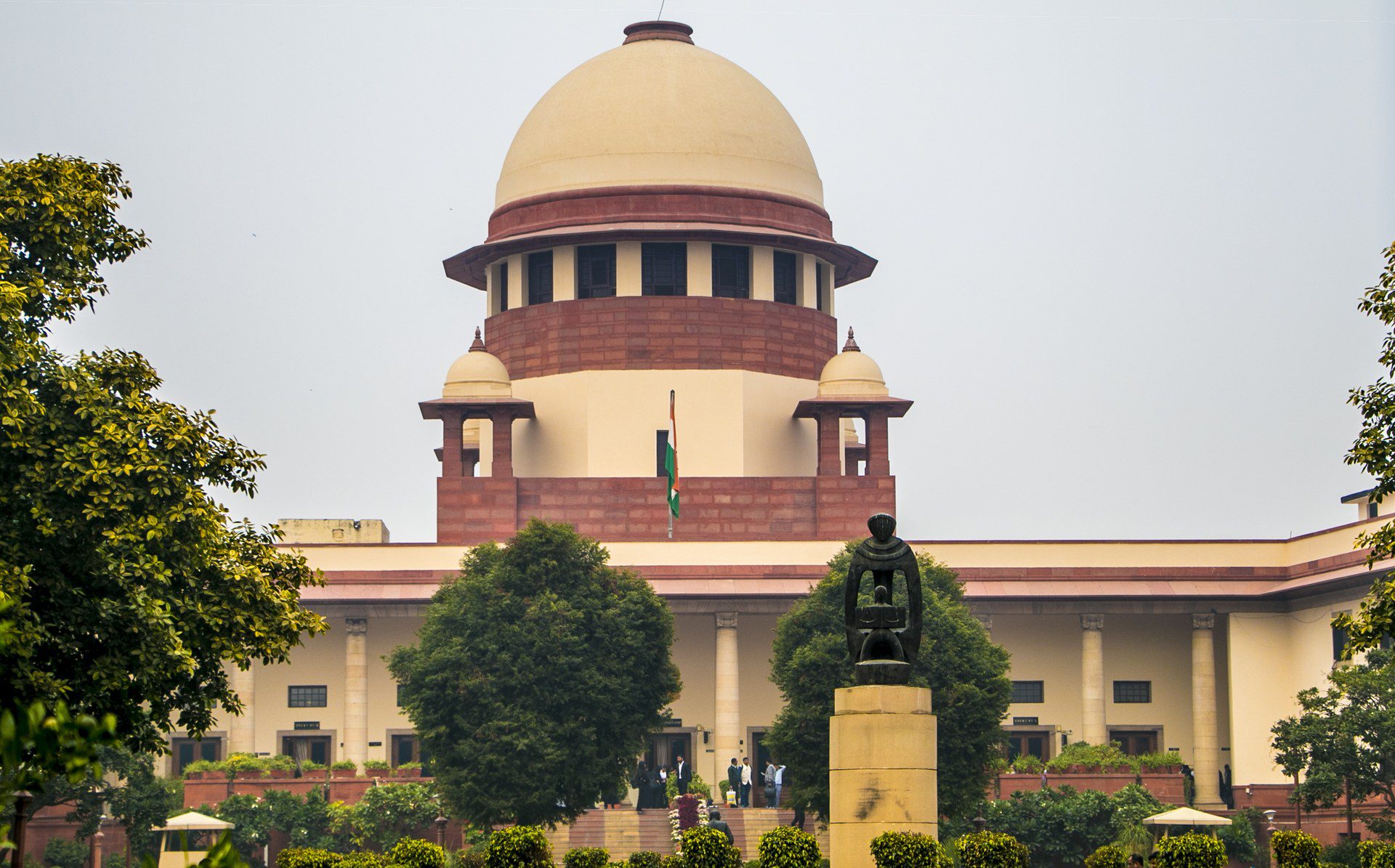
This note follows the video on the Supreme Court judgment of 5 November 2026 in Sujit Das: when does the 24-hour clock for producing an arrested person before a Magistrate start, if the police first detained the person and showed the formal arrest later? The bench of Justice Ujjal Bhuyan and Justice Atul Chandurkar held that the clock starts from detention, not from the date the arrest is recorded.
The basic rule
Under Article 22(2) of the Constitution, an arrested person must be produced before the nearest Magistrate within 24 hours. The time taken to travel from the place of arrest to the Court is excluded. The same rule was in Section 57 of the CrPC and is now in Section 58 of the BNSS. Article 22(1) gives the arrested person the right to know the grounds of arrest and to consult a lawyer.
The facts
In Tripura, 11 kg of yaba tablets were seized. Under the NDPS Act the accused was detained at 2 pm on 29 September 2025, but the agency showed the formal arrest only at 11 am the next day.
The agency argued that the clock starts after the formal arrest, and the Orissa, Kerala and Madras High Courts had taken the same view. The bench declared this view unconstitutional.
What the Court held
The Constitution does not treat detention and arrest as separate, because Article 22(2) reads both words together. The clock therefore starts from the moment the person’s liberty is restricted, which in this case was 2 pm. Only the journey time is excluded; the time of search or investigation is not excluded.
If the person is not produced before the Magistrate within 24 hours, the custody is illegal and the person must be released. In this case the Court ordered that the accused be produced before the Special Court within 7 days and then released on bail. The strict bail conditions of the NDPS Act did not stand in the way, because a fundamental right stands above a special law.
The Court also directed Magistrates to record the exact date and time of detention at the time of remand and to verify whether 24 hours were completed. It observed that custodial violence often happens when a person is kept in custody without the arrest being shown.
Constitutional / Legal / Institutional framework
Article 22(1): grounds of arrest and consultation with a lawyer. Article 22(2): production before the nearest Magistrate within 24 hours, excluding journey time. CrPC Section 57, now BNSS Section 58. Articles 22(3) to 22(7) are separate provisions on preventive detention and must not be mixed up with this rule.
CLAT angle
Remember three anchors: the Sujit Das case, Article 22(2) and Section 58 of the BNSS. Expect legal-reasoning passages on liberty, arrest versus detention and the Magistrate’s role.
Mnemonic / memory hook
Remember: the clock starts when liberty stops. Detention time counts, journey time does not. Three anchors: Sujit Das, Article 22(2), BNSS Section 58.
How to write this in an answer
A useful answer has three steps. First, state the rule: production before the nearest Magistrate within 24 hours under Article 22(2), with the journey time excluded. Second, state the test the Court applied: the clock runs from the restriction of liberty, so a late formal arrest cannot delay it. Third, state the consequence: custody beyond 24 hours without production is illegal, and the Magistrate must now record the exact date and time of detention at remand.
Do not confuse this rule with preventive detention. Articles 22(3) to 22(7) contain separate provisions for preventive detention, and they are not part of this rule.
Key facts
Clock: starts at detention. Limit: 24 hours, journey time excluded. Case: Sujit Das, 5 November 2026. Detained 29 September 2025, 2 pm; formal arrest next day, 11 am. Order: Special Court within 7 days, then bail.
Free in the CLAT Gurukul app
These notes (as a PDF lesson) and the 10-question CBT are in the app under Current Affairs → 6 Nov 2026. Get the app on Google Play or open app.clatgurukul.com.
Practice Quiz — 10 CLAT-Style Questions
Click an option to reveal the answer and explanation.