VIDEO EXPLAINER | 15 OCTOBER 2026
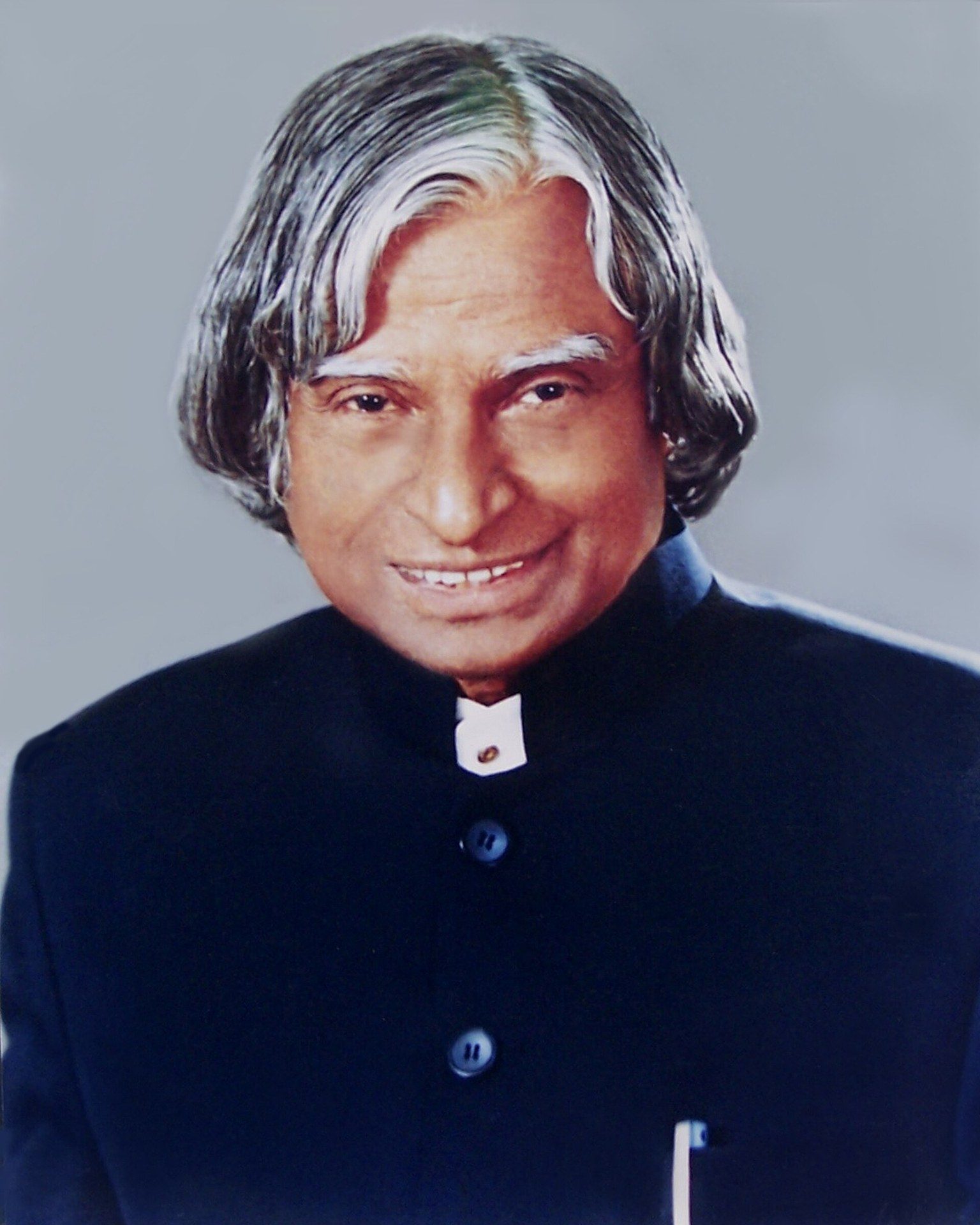
15 October 2026 marks the 95th birth anniversary of Dr. A.P.J. Abdul Kalam, who was born on 15 October 1931 at Rameswaram in present-day Tamil Nadu. He is remembered by two popular titles: the “Missile Man of India” and the “People’s President”. Both titles come from specific, checkable facts: a rocket programme that failed before it succeeded, a missile programme he led at DRDO, and a term as the 11th President of India (2002–2007). This explainer sets out those facts in order, the way an exam expects them, and clears up one popular myth about 15 October.
1. SLV-3: a partial success, then orbit
Kalam was the Project Director of SLV-3, India’s first indigenous satellite launch vehicle, built at ISRO. Its first experimental flight, in August 1979 from Sriharikota, was in ISRO’s own words “only partially successful”. In his autobiography Wings of Fire (written with Arun Tiwari, 1999), Kalam records that at the review after the flight he took responsibility for the failure, and that ISRO Chairman Prof. Satish Dhawan kept his faith in the team.
About eleven months later, on 18 July 1980, SLV-3 lifted off from SHAR and placed the Rohini satellite (RS-1) in orbit. ISRO describes this as making India “the sixth member of an exclusive club of space-faring nations”, that is, the sixth country to put a satellite in orbit with its own launch vehicle.
Note the contrast that exams like to test. India’s first satellite, Aryabhata, went up on 19 April 1975, but on a Soviet Kosmos-3M rocket. Rohini (1980) was the first satellite placed in orbit by an Indian-made launcher.
2. The Missile Man: IGMDP at DRDO
Kalam then moved to the Defence Research and Development Organisation (DRDO). The Government approved the Integrated Guided Missile Development Programme (IGMDP) in 1983, and Kalam served as its Chief Executive. The programme covered five missiles: Prithvi, Agni, Trishul, Akash and Nag. The development of Agni and Prithvi in particular is why he came to be called the “Missile Man”.
From 1992 to 1999 he was Scientific Adviser to the Defence Minister and Secretary, Department of Defence Research and Development. He held this office during the Pokhran-II nuclear tests of 11 and 13 May 1998. After that, he served as Principal Scientific Adviser to the Government of India from November 1999 to November 2001.
3. The People’s President
Kalam became the 11th President of India on 25 July 2002 and served until 25 July 2007. A detail recorded by the Press Information Bureau (PIB) explains his second title. According to PIB’s New India Samachar, 52 members of his family stayed at Rashtrapati Bhavan for 9 days, and Kalam submitted a bill of Rs 9.52 lakh for their stay. PIB adds that this is why people still remember him as the People’s President.
Teaching remained central to his life after office. On 27 July 2015, he collapsed while delivering a lecture at IIM Shillong, Meghalaya, and passed away the same evening.
4. Awards to remember
Kalam received the three highest civilian honours in this order: Padma Bhushan (1981), Padma Vibhushan (1990) and Bharat Ratna (1997). The Bharat Ratna for 1997 was notified in the Gazette on 1 March 1998, but the award year is 1997, and that is the year to mark in an exam.
5. Myth vs fact: 15 October and the UN
A message circulates every year that the United Nations has declared 15 October “World Students’ Day” in Kalam’s honour. This is not correct. The UN’s official list of international days has no “World Students’ Day”. The UN observance on 15 October is the International Day of Rural Women, created by General Assembly resolution A/RES/62/136 (adopted 18 December 2007). For GK questions on international days, rely on the UN list, not on forwarded messages.
Institutional framework
- ISRO: SLV-3, India’s first indigenous satellite launch vehicle; Kalam was its Project Director.
- DRDO: IGMDP (approved 1983), with Kalam as Chief Executive; five missiles: Prithvi, Agni, Trishul, Akash, Nag.
- Scientific Adviser to the Defence Minister (1992–1999), the office he held during Pokhran-II (May 1998).
- Office of the Principal Scientific Adviser: Kalam was PSA from November 1999 to November 2001.
- President of India: 11th President, 25 July 2002 to 25 July 2007.
- UN General Assembly: resolution A/RES/62/136 created the International Day of Rural Women (15 October).
CLAT angle
- GK, awards: the order Padma Bhushan 1981, Padma Vibhushan 1990, Bharat Ratna 1997 is a direct-recall question.
- GK, space: Aryabhata (1975, Soviet rocket) vs Rohini (1980, Indian SLV-3) is a classic “first” trap.
- GK, Presidents: 11th President, 2002–2007; know the sequence of offices he held before that.
- Important days: 15 October at the UN is the International Day of Rural Women, not “World Students’ Day”.
- Reading comprehension: note how a source’s wording matters: ISRO says “partially successful”; PIB says he “submitted a bill”.
Key facts
| Fact | Detail |
|---|---|
| Born | 15 October 1931, Rameswaram (Tamil Nadu) |
| SLV-3 first flight | August 1979; ISRO: “only partially successful” |
| Rohini (RS-1) in orbit | 18 July 1980; India sixth space-faring nation |
| Aryabhata | 19 April 1975, on a Soviet Kosmos-3M rocket |
| IGMDP | 1983, DRDO; Kalam Chief Executive; Prithvi, Agni, Trishul, Akash, Nag |
| Pokhran-II | 11 and 13 May 1998; Kalam Scientific Adviser to the Defence Minister |
| Principal Scientific Adviser | November 1999 to November 2001 |
| 11th President | 25 July 2002 to 25 July 2007 |
| Awards | Padma Bhushan 1981, Padma Vibhushan 1990, Bharat Ratna 1997 |
| Died | 27 July 2015, while lecturing at IIM Shillong |
Mnemonic
“79 partial, 80 orbit, 83 missiles, 97 Ratna, 02 President”: SLV-3’s partial first flight (1979), Rohini in orbit (1980), IGMDP (1983), Bharat Ratna (1997) and the start of his presidency (2002).
Sources
ISRO, SLV-3 and Aryabhata pages (isro.gov.in); Office of the Principal Scientific Adviser to the Government of India, biography of Dr. A.P.J. Abdul Kalam (psa.gov.in); PIB, New India Samachar, 1–15 October 2023; Gazette of India notifications for the Padma awards (1990) and the Bharat Ratna (1997, notified 1 March 1998), padmaawards.gov.in; A.P.J. Abdul Kalam with Arun Tiwari, Wings of Fire (1999); IIM Shillong newsletter; United Nations, List of International Days and Weeks (un.org) and General Assembly resolution A/RES/62/136.
Free in the CLAT Gurukul app
These notes (as a PDF lesson) and the 10-question CBT are in the app under Current Affairs → 15 Oct 2026. Get the app on Google Play or open app.clatgurukul.com.
Practice Quiz — 10 CLAT-Style Questions
Click an option to reveal the answer and explanation.