VIDEO EXPLAINER | 14 OCTOBER 2026
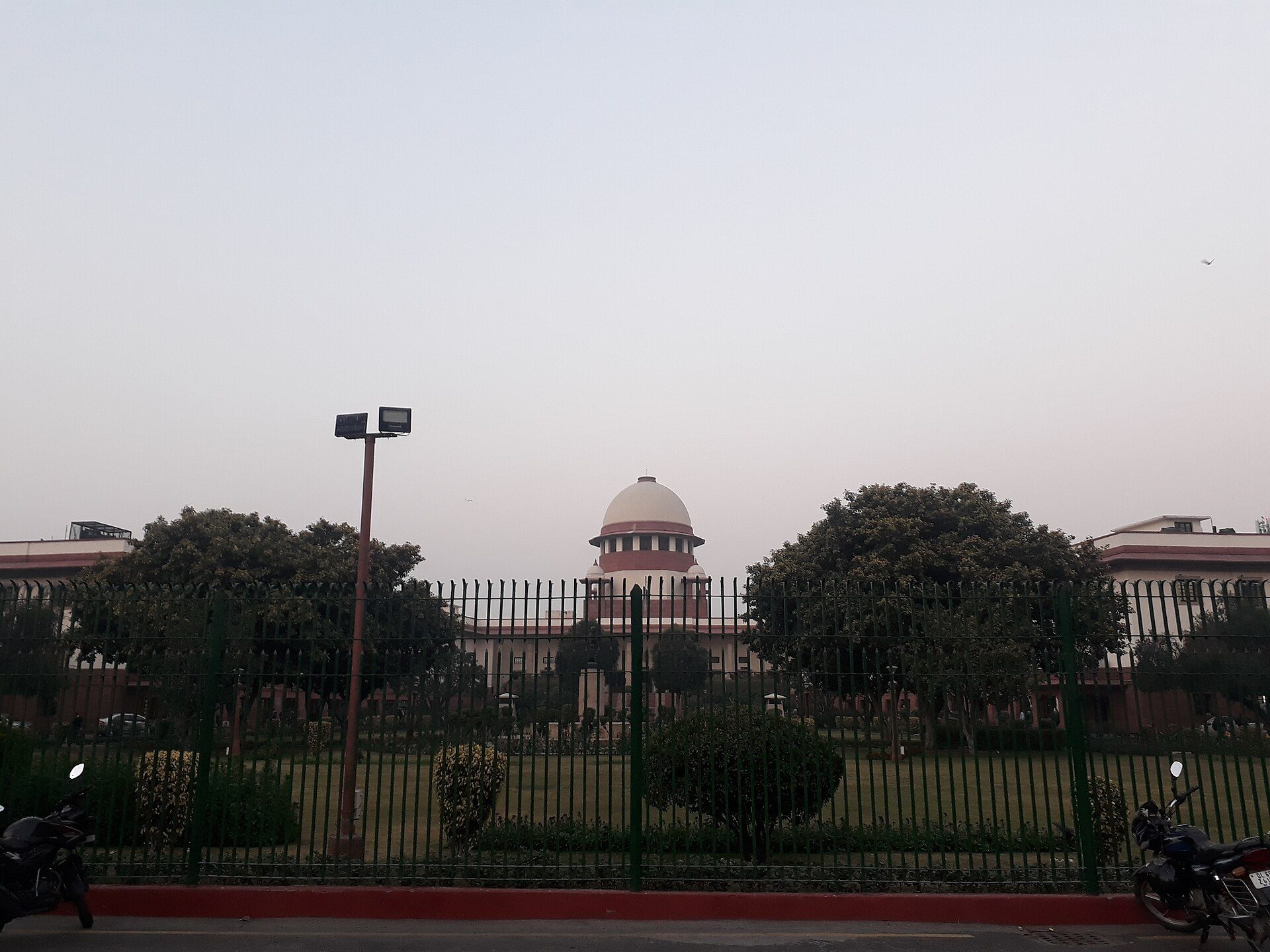
On 8 October 2026, the Supreme Court of India passed an order in Federation of Medical & Sales Representatives Associations of India v. Union of India (W.P.(C) No. 323 of 2021, reported as 2026 INSC 1097). The Court directed the Union to constitute a committee to examine and recommend whether pharmaceutical marketing needs statutory regulation. The committee is to complete its work within two months, and the matter is listed next on 29 January 2027. The order did not frame a mandatory code and did not make the existing marketing code binding. Until the committee reports and a decision is taken, the voluntary UCPMP 2024 continues to govern the field.
1. What is unethical pharma marketing?
Unethical pharma marketing means persuading doctors to prescribe particular medicines by offering them gifts, travel, hospitality or cash. The concern is simple: when a prescription is influenced by a benefit to the prescriber, the patient may end up with more medicines than needed, or with costlier brands, and the cost of the inducement itself travels into the price of the medicine.
2. Two different rulebooks: one for doctors, one for companies
For doctors, the rule is in law. The Indian Medical Council (Professional Conduct, Etiquette and Ethics) Regulations, 2002, in clause 6.8 (amended on 10 December 2009), bar doctors from receiving gifts, travel facilities, hospitality and cash or monetary grants from the pharmaceutical industry. The National Medical Commission’s 2023 regulations for registered medical practitioners were put in abeyance on 23 August 2023, so the 2002 Regulations continue to apply as if made under the National Medical Commission Act, 2019.
For companies, there is only a code. The Uniform Code for Pharmaceutical Marketing Practices (UCPMP) 2024 was issued on 12 March 2024 by the Department of Pharmaceuticals, Ministry of Chemicals and Fertilizers. It bars gifts, travel and cash or monetary grants to healthcare professionals and their families. But it is a voluntary code, not a law. At a hearing on 18 November 2025, the bench observed that the code, though described as mandatory, was “almost voluntary”, as there was no government control.
3. The petition: medical representatives go to the Supreme Court
The petition was filed in 2021 under Article 32, which allows a person to approach the Supreme Court directly for the enforcement of fundamental rights. Notice was issued on 11 March 2022. The lead petitioner, FMRAI, is the national trade union of medical representatives, the very people who carry pharma marketing to doctors.
Their argument was about the gap between the two rulebooks. The existing regime, they said, penalises only doctors for accepting gifts and benefits, while companies offering such inducements face no statutory consequences. The harm, they argued, falls on patients through irrational prescribing and a push towards high-priced brands, which affects the right to health, recognised as part of the right to life under Article 21.
4. The 2022 tax ruling
This is not the first time the Supreme Court has looked at gifts to doctors. On 22 February 2022, in a tax case, it held that the cost of freebies given to doctors is not deductible as business expenditure under Section 37(1), Explanation 1, of the Income Tax Act, 1961. The Court also noted that the cost of such freebies is usually factored into the price of the drug, creating what it called a “perpetual publicly injurious cycle”.
5. What the 8 October 2026 order says
The Court did not write a code itself. It directed the Union to constitute a committee to examine the issue and recommend whether statutory regulation of pharma marketing is needed. In the words reported from the order, “The committee will consider the suggestions and representations and give its recommendations to the Union.” The committee has two months to complete its work, the Union is to file a compliance affidavit, and the case is listed next on 29 January 2027. Meanwhile, UCPMP 2024 continues to apply.
6. Why it matters
The case asks a basic question of regulatory design: is a voluntary code enough when the rule for doctors is binding law and the rule for companies is not? The committee’s recommendations, and the Union’s decision on them, will now shape the answer.
Constitutional and legal framework
- Article 32: the route by which the petition reached the Supreme Court directly (enforcement of fundamental rights).
- Article 21: right to life, which includes the right to health.
- IMC (Professional Conduct, Etiquette and Ethics) Regulations, 2002, clause 6.8: doctors barred from accepting gifts, travel, hospitality and cash from pharma; applied under the NMC Act, 2019.
- UCPMP 2024: voluntary marketing code for companies, issued by the Department of Pharmaceuticals (Ministry of Chemicals and Fertilizers).
- Income Tax Act, 1961, Section 37(1), Explanation 1: freebies to doctors are not deductible business expenditure (SC, 22 Feb 2022).
CLAT angle
- Legal reasoning: a voluntary code versus a statutory rule; who can be penalised, and under what?
- Constitution: Article 32 as a remedy, and the right to health read into Article 21.
- Nature of the order: a direction to form a committee, not a court-made code; the existing code continues.
- GK facts: UCPMP 2024 issuer (Department of Pharmaceuticals, not DPIIT or the Health Ministry), 2 months, 29 January 2027.
Key facts
| Fact | Detail |
|---|---|
| Case | FMRAI v. Union of India, W.P.(C) No. 323 of 2021 |
| Citation of the order | 2026 INSC 1097, decided 8 October 2026 |
| Petitioner | National trade union of medical representatives |
| Route | Article 32; right to health under Article 21 |
| What the Court directed | Union to form a committee on statutory regulation |
| Deadline | Committee to complete its work within 2 months |
| Next listing | 29 January 2027 (compliance affidavit by the Union) |
| UCPMP 2024 | 12 March 2024, Department of Pharmaceuticals; voluntary |
| Rule for doctors | 2002 Ethics Regulations, clause 6.8, under NMC Act 2019 |
| Tax ruling | 22 Feb 2022: no deduction under Section 37(1) |
Mnemonic
“Doctor: law. Company: code. Court: committee.” Doctors are bound by the 2002 Regulations, companies only by the voluntary UCPMP 2024, and on 8 October 2026 the Court asked the Union for a committee (2 months; next date 29 January 2027).
Sources
Case note on 2026 INSC 1097 (Lawtext); LawBeat report on the order of 8 October 2026; LiveLaw report on the hearing of 18 November 2025; SC Observer case page; PTI report on UCPMP 2024 (12 March 2024); Indian Medical Council (Professional Conduct, Etiquette and Ethics) Regulations, 2002; reports and digests (ITAT Online, Taxmann, Medical Dialogues) on the Supreme Court’s tax ruling of 22 February 2022.
Free in the CLAT Gurukul app
These notes (as a PDF lesson) and the 10-question CBT are in the app under Current Affairs → 14 Oct 2026. Get the app on Google Play or open app.clatgurukul.com.
Practice Quiz — 10 CLAT-Style Questions
Click an option to reveal the answer and explanation.