VIDEO EXPLAINER | 14 OCTOBER 2026
Talks to reopen the Strait of Hormuz have stalled over one question that law students should recognise at once: who controls a strait used for international navigation? On 11 October 2026, Iran said the United States’ reply to its proposal to reopen the strait was “insufficient”. The same day, the Nicaragua-flagged tanker MT Petro Dolphin was reportedly struck by a drone at Sohar Anchorage off Oman; according to India’s Ministry of External Affairs (MEA), nine of its eleven Indian crew were rescued and two Indian sailors remain missing. This explainer sets out the geography, the crisis, the legal dispute and the exam points.
1. Where Hormuz is, and why it matters
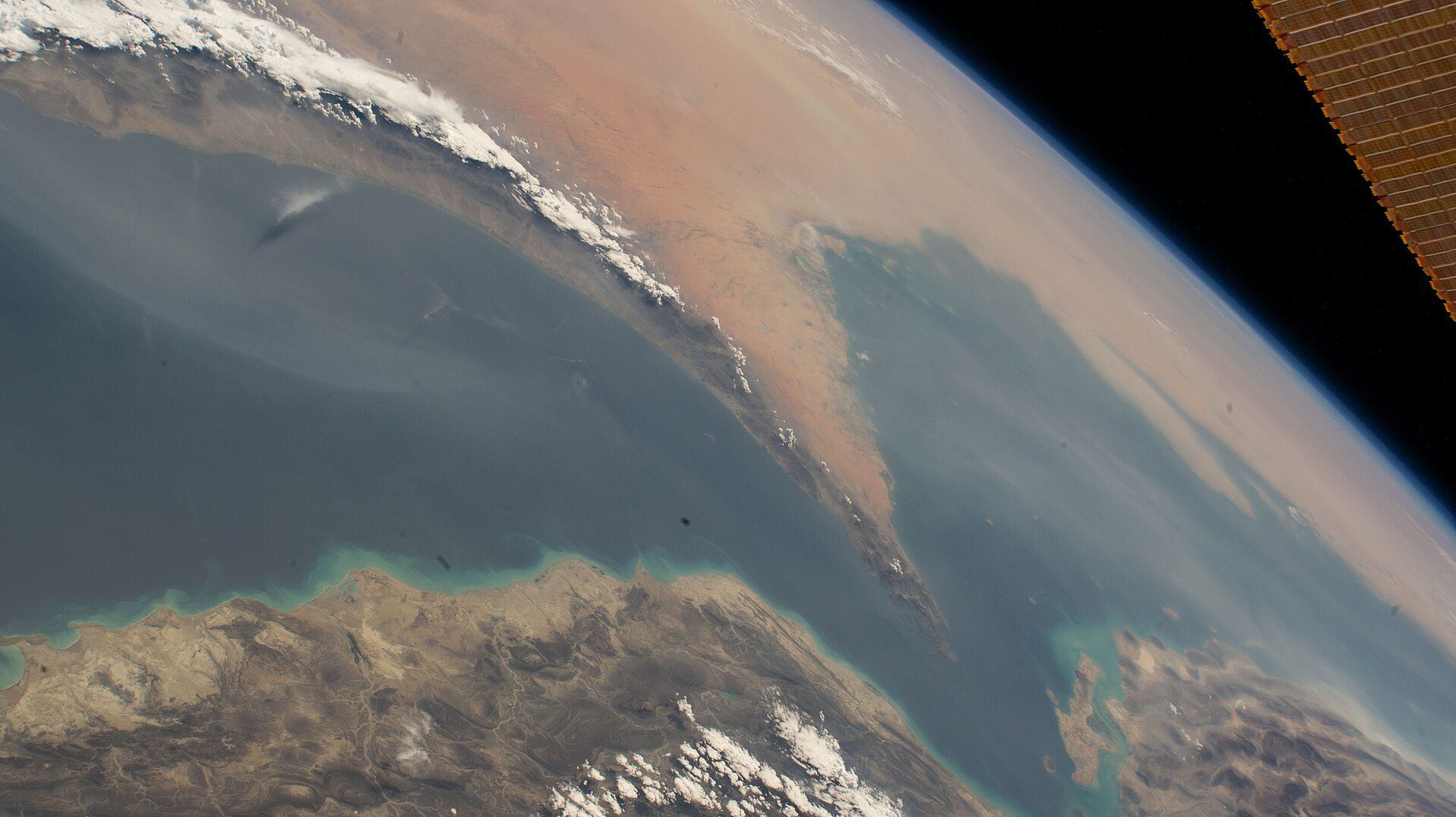
The Strait of Hormuz lies between Iran and Oman and links the Persian Gulf with the Gulf of Oman, and through it the Arabian Sea. According to the US Energy Information Administration (EIA), about 20 million barrels a day of oil moved through the strait in 2024, equal to roughly 20% of global petroleum liquids consumption. The EIA adds that around one-fifth of global LNG trade also transited Hormuz in 2024, mainly from Qatar. Few routes on earth carry so much of the world’s energy through so narrow a passage.
2. How the strait came to be nearly closed
As reported by The National (11 October 2026), Iran “effectively blocked the strait by attacking ships and laying mines” after being attacked by Israel and the US in February 2026. The US responded by imposing a naval blockade of Iranian ports. Over the following two months, the US approached Iran through three channels: Pakistan, Qatar and Iraq.
Iran’s side said it had communicated seven conditions about two weeks earlier, and that the US had accepted some while others remained unresolved. On 11 October, Iran called the US response “insufficient”. That is where the talks stand.
3. The real dispute is legal
Iran has proposed that Iran and Oman jointly manage the waterway. The US rejected the idea, saying ships should have free passage under international law. The relevant law is the United Nations Convention on the Law of the Sea (UNCLOS), 1982.
Under Article 38(1) of UNCLOS, in straits used for international navigation “all ships and aircraft enjoy the right of transit passage, which shall not be impeded”. Article 44 adds that states bordering such straits “shall not hamper transit passage” and that “there shall be no suspension of transit passage”. Transit passage is stronger than the ordinary right of innocent passage in the territorial sea: a coastal state cannot suspend it.
Ratification matters here. India signed UNCLOS on 10 December 1982 and ratified it on 29 June 1995. Oman ratified it on 17 August 1989. Iran signed on 10 December 1982 but has not ratified the Convention. This is the legal fault line in the talks: coastal control on one side, the passage rights of the world’s shipping on the other.
4. Why India has a stake
The EIA estimates that China, India, Japan and South Korea together took 69% of all crude oil and condensate that moved through Hormuz in 2024. (The EIA does not give a separate figure for India, so none is quoted here.) The Petro Dolphin attack brought the crisis close to Indian families. In its statement, the MEA said: “Freedom of navigation and the safe, unimpeded flow of maritime commerce through international waterways, in accordance with international law, must be upheld.” India’s position is, in short, freedom of navigation.
5. Hormuz among the world’s chokepoints
Hormuz is one of several oil-transit chokepoints the EIA tracks. Two others that exams pair with it: Bab-el-Mandeb, which links the Red Sea with the Gulf of Aden, and the Strait of Malacca, which links the Indian Ocean with the Pacific Ocean.
Legal framework
- UNCLOS, 1982: opened for signature 10 December 1982.
- Article 38(1): right of transit passage through straits used for international navigation, “which shall not be impeded”.
- Article 44: bordering states shall not hamper transit passage; no suspension of transit passage.
- Status: India ratified 29 June 1995; Oman 17 August 1989; Iran signed (1982), not ratified.
CLAT angle
- Legal Reasoning passage: a principle (transit passage cannot be suspended) applied to facts (a coastal state proposes to manage a strait).
- Is a non-party bound? A classic question: treaty obligations versus a state that has signed but not ratified.
- GK: Hormuz connects the Persian Gulf and the Gulf of Oman; Bab-el-Mandeb and Malacca are the paired chokepoints.
- Numbers: about 20% of world oil consumption (2024); 69% of Hormuz crude to four Asian buyers combined.
- India’s stated line: freedom of navigation in accordance with international law.
Key facts
| Fact | Detail |
|---|---|
| Location | Between Iran and Oman; Persian Gulf ↔ Gulf of Oman |
| Oil flow, 2024 | ≈ 20 million barrels/day ≈ 20% of global petroleum liquids consumption (EIA) |
| LNG | ≈ one-fifth of global LNG trade, mainly from Qatar (EIA, 2024) |
| Crisis | Feb 2026 attack on Iran; Iran blocked the strait with attacks and mines (as reported); US naval blockade of Iranian ports |
| Channels | Pakistan, Qatar, Iraq |
| Current line | 11 Oct 2026: Iran calls the US reply “insufficient” |
| Iran’s proposal | Joint Iran–Oman management; US says ships have free passage |
| Asian buyers | China, India, Japan, South Korea = 69% of Hormuz crude and condensate (2024) |
| Petro Dolphin | 11 Oct 2026, drone attack at Sohar Anchorage, Oman; 2 Indian sailors missing (MEA) |
| UNCLOS | Art 38 transit passage; India ratified 1995; Iran has not |
Memory hook: “38 = Through, Not Stopped”. Article 38 gives transit passage through international straits; Article 44 says it cannot be suspended. And “95 in, Iran out”: India ratified UNCLOS in 1995, Iran has not.
Sources
US Energy Information Administration, Today in Energy (16 June 2025) and World Oil Transit Chokepoints; The National (11 October 2026); Iran International (11 October 2026); MEA statement as reported by Business Standard (12 October 2026); Maritime Gateway (12 October 2026); UN Division for Ocean Affairs and the Law of the Sea, UNCLOS text and status of ratifications.
Free in the CLAT Gurukul app
These notes (as a PDF lesson) and the 10-question CBT are in the app under Current Affairs → 14 Oct 2026. Get the app on Google Play or open app.clatgurukul.com.
Practice Quiz — 10 CLAT-Style Questions
Click an option to reveal the answer and explanation.