
DAILY NEWS WRAP | 5 NOVEMBER 2026
On 4 November 2026 the Union Cabinet approved a Rs 14,500 crore Viability Gap Funding (VGF) scheme for grid-scale energy storage systems for the period 2026-27 to 2030-31. This note explains what the scheme supports and the numbers that are most likely to be asked.
What the scheme does
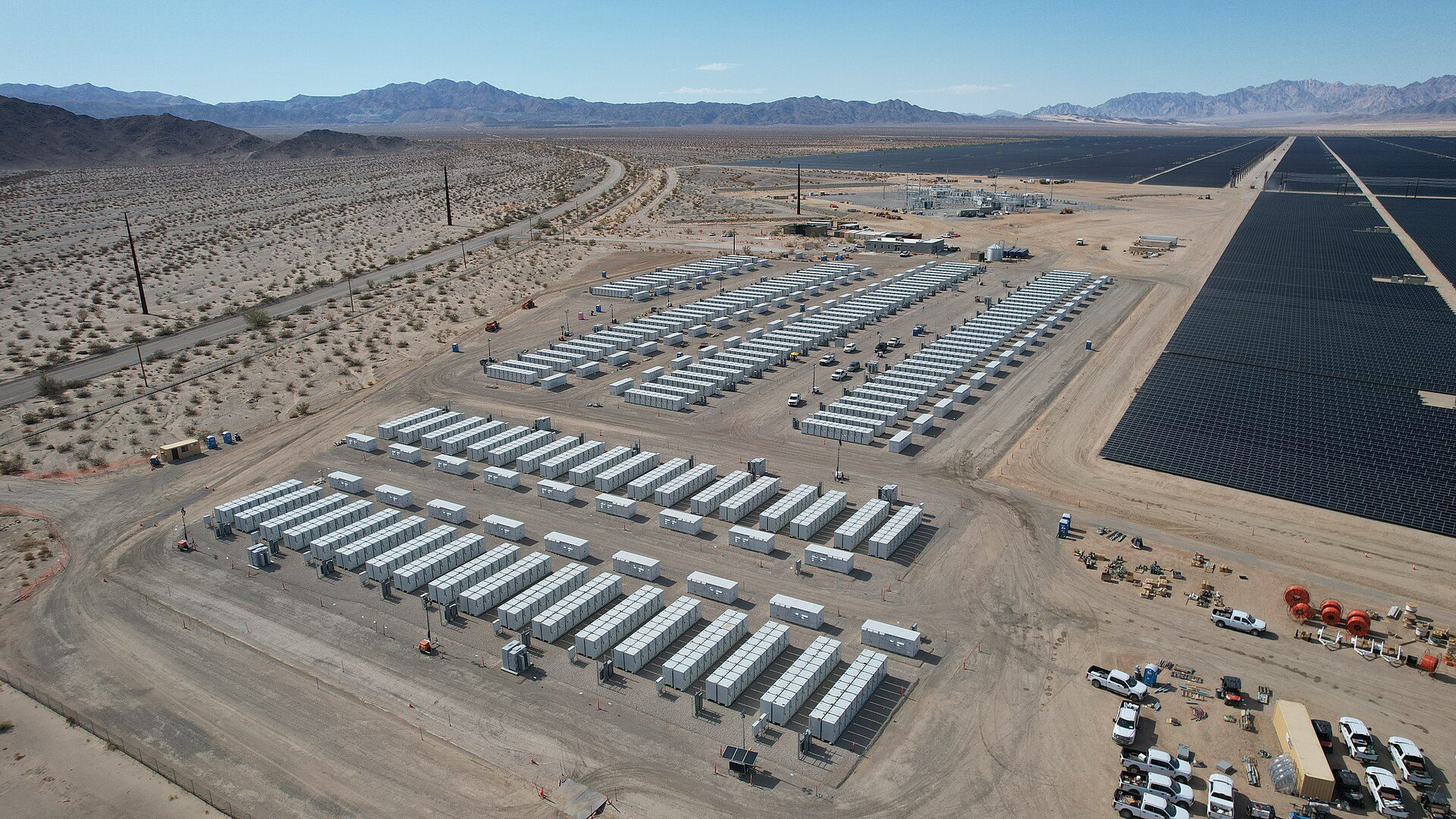
The scheme supports the development of 92 GWh of new, yet-to-be-commissioned energy storage capacity across the country. According to the government, this is equal to 170% of the present grid-scale storage capacity in the country, and it helps meet the required grid-scale storage capacity of 411 GWh by 2031-32.
The 92 GWh is split by technology: 60 GWh of pumped storage hydro capacity, 30 GWh of battery energy storage system capacity and 2 GWh through alternative energy storage technologies. The total estimated investment is Rs 97,600 crore, of which the VGF is Rs 14,500 crore.
What is Viability Gap Funding
Viability Gap Funding is financial support given to a project that is useful to the economy but would not earn enough revenue on its own to attract investors. The government said the VGF support will help improve the financial viability of these projects and accelerate the deployment of large-scale energy storage infrastructure in the country. Storage matters for a grid because stored energy can be used when it is needed, which helps a grid that relies on renewable sources.
How capacity will be allocated
Storage capacity will be allocated through a tariff-based competitive bidding process. Both public and private sector electricity distribution companies are eligible for VGF support for battery and pumped hydro projects. Projects based on alternative storage technologies will also be implemented by public and private sector entities.
To promote indigenous manufacturing, battery energy storage projects will be subject to a minimum Domestic Content Requirement of 40%. The government said this requirement will encourage domestic manufacturing, create opportunities for Indian industry and complement the existing supply-side incentives for battery manufacturing.
Constitutional / Legal / Institutional framework
The scheme was approved by the Union Cabinet, the council of ministers acting collectively under the Prime Minister. It is a central scheme running over five financial years, 2026-27 to 2030-31. Funding is through VGF, which supports the gap between a project’s cost and the revenue it can earn, and capacity is awarded through competitive bidding rather than by nomination.
CLAT angle
- VGF = Viability Gap Funding; the outlay is Rs 14,500 crore for 2026-27 to 2030-31.
- Capacity supported: 92 GWh = 60 GWh pumped hydro + 30 GWh battery + 2 GWh other technologies.
- Total estimated investment: Rs 97,600 crore; target of 411 GWh of grid-scale storage by 2031-32.
- Allocation through tariff-based competitive bidding; battery projects need minimum 40% Domestic Content Requirement.
- New capacity equals 170% of present grid-scale storage capacity.
Key facts
| Fact | Detail |
|---|---|
| Scheme outlay | Rs 14,500 crore Viability Gap Funding |
| Period | 2026-27 to 2030-31 |
| Capacity supported | 92 GWh (60 pumped hydro, 30 battery, 2 other) |
| Total estimated investment | Rs 97,600 crore |
| Target | 411 GWh by 2031-32 |
| Allocation method | tariff-based competitive bidding |
| Battery Domestic Content Requirement | minimum 40% |
Mnemonic / memory hook
’60 + 30 + 2 = 92.’ Pumped hydro 60, battery 30, other 2 gigawatt-hours make 92; the money is 14,500 crore of VGF on a 97,600 crore investment.
Sources
The Hindu and The Indian Express, both dated 4 November 2026, quoting the government’s release.
Free in the CLAT Gurukul app
These notes (as a PDF lesson) and the 10-question CBT are in the app under Current Affairs → 5 Nov 2026. Get the app on Google Play or open app.clatgurukul.com.
Practice Quiz — 10 CLAT-Style Questions
Click an option to reveal the answer and explanation.