DAILY NEWS WRAP | 30 OCTOBER 2026
Seven stories from 27 to 29 October 2026 that a CLAT, UPSC or SSC aspirant can revise from: two Supreme Court rulings, an ECB resignation, a UN drug survey, an Ebola outbreak update, a US Federal Reserve decision and an Indian patent ruling on tuberculosis.
1. Supreme Court: banks must compensate digital arrest victims
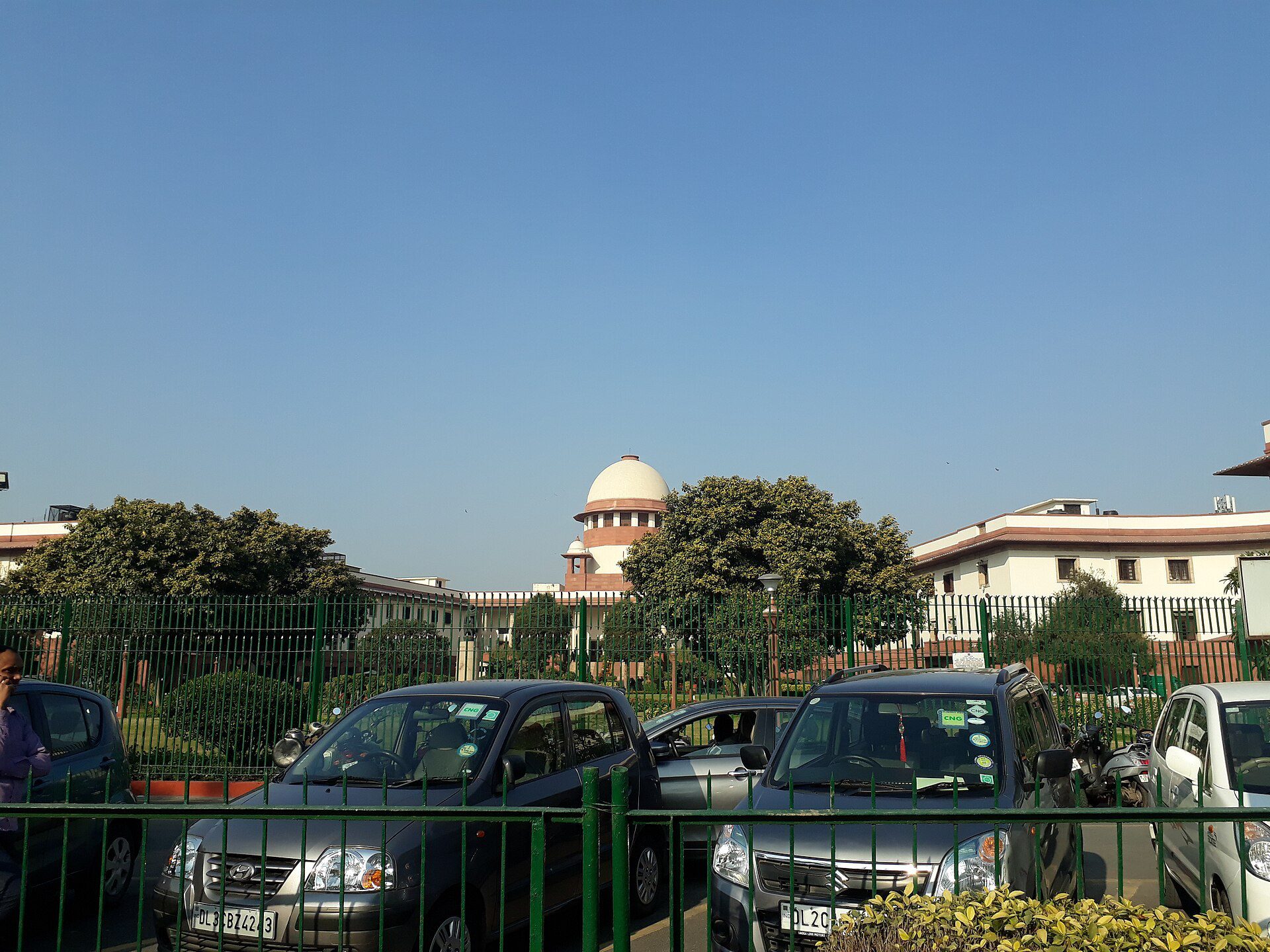
On 29 October 2026 the Supreme Court, hearing a suo motu case on digital arrest scams, said financial institutions must compensate victims where the fraud results from a failure of due diligence. The loss to the Indian economy from such frauds this year was approximately ₹800 crore. The RBI’s KYC Amendment Directions, 2026 are expected to be notified by November 30 and operationalised by December 31.
2. ECB President Christine Lagarde to step down on 7 February
On 29 October 2026 the European Central Bank (ECB) said President Christine Lagarde will step down on 7 February 2027, nine months before her eight-year term was to end on 31 October 2027. The ECB works to keep prices stable in the euro area. The governing council met to set interest rates when the announcement was made.
3. UNODC: Afghanistan’s opium poppy area rises to 43,000 hectares
On 29 October 2026 the UN Office on Drugs and Crime (UNODC) said opium poppy cultivation in Afghanistan rose to more than 43,000 hectares from about 10,000 hectares in 2025, despite the Taliban ban of April 2022. Estimated opium production rose from about 300 tonnes to just under 1,500 tonnes. Cultivation spread to 16 of Afghanistan’s 34 provinces.
4. WHO: Ebola cases in DR Congo pass 10,000
As of Monday 26 October 2026 the Democratic Republic of the Congo had 10,141 Ebola cases and nearly 5,000 deaths, the WHO said on 28 October. The outbreak is caused by the Bundibugyo virus, for which there is currently no vaccine or treatment. It is the 17th Ebola outbreak in the country and the largest to date. Ebola spreads through direct contact with body fluids.
5. Supreme Court declines order on beneficial owners of AIFs and FPIs
On 29 October 2026 a Supreme Court bench headed by Justice BV Nagarathna refused to direct SEBI to mandate full public disclosure of the ultimate beneficial owners of Alternative Investment Funds (AIFs) and Foreign Portfolio Investors (FPIs). The court cited the lack of an existing legal framework and asked the Centre and SEBI to consider suitable transparency regulations. Article 32 of the Constitution gives the right to move the Supreme Court for writs.
6. US Federal Reserve holds its rate at 3.75% to 4%
The US Federal Reserve held its benchmark interest rate unchanged at 3.75% to 4% at its October 2026 meeting. The Federal Open Market Committee voted 10-2: two members wanted a 25 basis point hike. The Fed said it will reduce the number of FOMC meetings from 2027.
7. India rejects the BPaL tuberculosis regimen patent
On 27 October 2026 the Indian Patent Office rejected the TB Alliance’s patent application for BPaL (bedaquiline, pretomanid and linezolid), a six-month all-oral regimen for drug-resistant TB. The rejection followed two pre-grant oppositions filed in 2020. The opponents invoked Sections 3(d), 3(e) and 3(i) of the Patents Act; Section 3(d) restricts patents on new uses of known substances. All four grounds were upheld.
- Supreme Court (suo motu): the digital arrest case is one the court is hearing on its own; it wants RBI rules that make banks compensate victims after a due diligence failure.
- Article 32: the right to move the Supreme Court for writs; the AIF and FPI petition was a writ petition and the court said it needs a legal framework from the Centre and SEBI first.
- Patents Act: Section 3(d) restricts patents on new uses of known substances; the BPaL application was rejected on four grounds.
- European Central Bank: keeps prices stable in the euro area.
- UNODC: the UN Office on Drugs and Crime, which ran the Afghanistan opium survey.
- Legal Reasoning: a passage on liability of a bank for a failure of due diligence, or on when a court can issue a direction without an existing legal framework.
- GK: Article 32, writs and the meaning of a suo motu case.
- GK: ECB head Christine Lagarde leaves on 7 February 2027; the ECB keeps prices stable in the euro area.
- GK: UNODC full form; Afghanistan poppy area 43,000 hectares.
- Current affairs: Ebola in DR Congo (Bundibugyo virus, 10,000+ cases) and Section 3(d) of the Patents Act.
| Fact | Detail |
|---|---|
| Digital arrest loss this year | Approx. ₹800 crore |
| RBI KYC directions | Notify by 30 Nov, operational by 31 Dec 2026 |
| Lagarde exit | 7 February 2027 (term was to end 31 Oct 2027) |
| Afghan opium poppy area | 43,000+ hectares (10,000 in 2025) |
| Afghan opium production | About 1,500 tonnes (300 in 2025) |
| Ebola, DR Congo | 10,141 cases, nearly 5,000 deaths (26 Oct) |
| Ebola virus | Bundibugyo; 17th outbreak in DR Congo |
| Fed rate | 3.75% to 4%, FOMC vote 10-2 |
| BPaL patent | Rejected on 27 Oct 2026; Section 3(d) |
“No framework, no mandamus; no due diligence, no excuse.” The court asks the rule-makers to write the rule, and asks banks to pay when they fail the customer.
Sources
LiveLaw, Hindustan Times, The Guardian, The Hindu, UN News, the European Central Bank, UNODC and the Constitution of India (29 October 2026).
Free in the CLAT Gurukul app
These notes (as a PDF lesson) and the 10-question CBT are in the app under Current Affairs → 30 Oct 2026. Get the app on Google Play or open app.clatgurukul.com.
Practice Quiz — 10 CLAT-Style Questions
Click an option to reveal the answer and explanation.