DAILY NEWS WRAP | 23 OCTOBER 2026
What happened
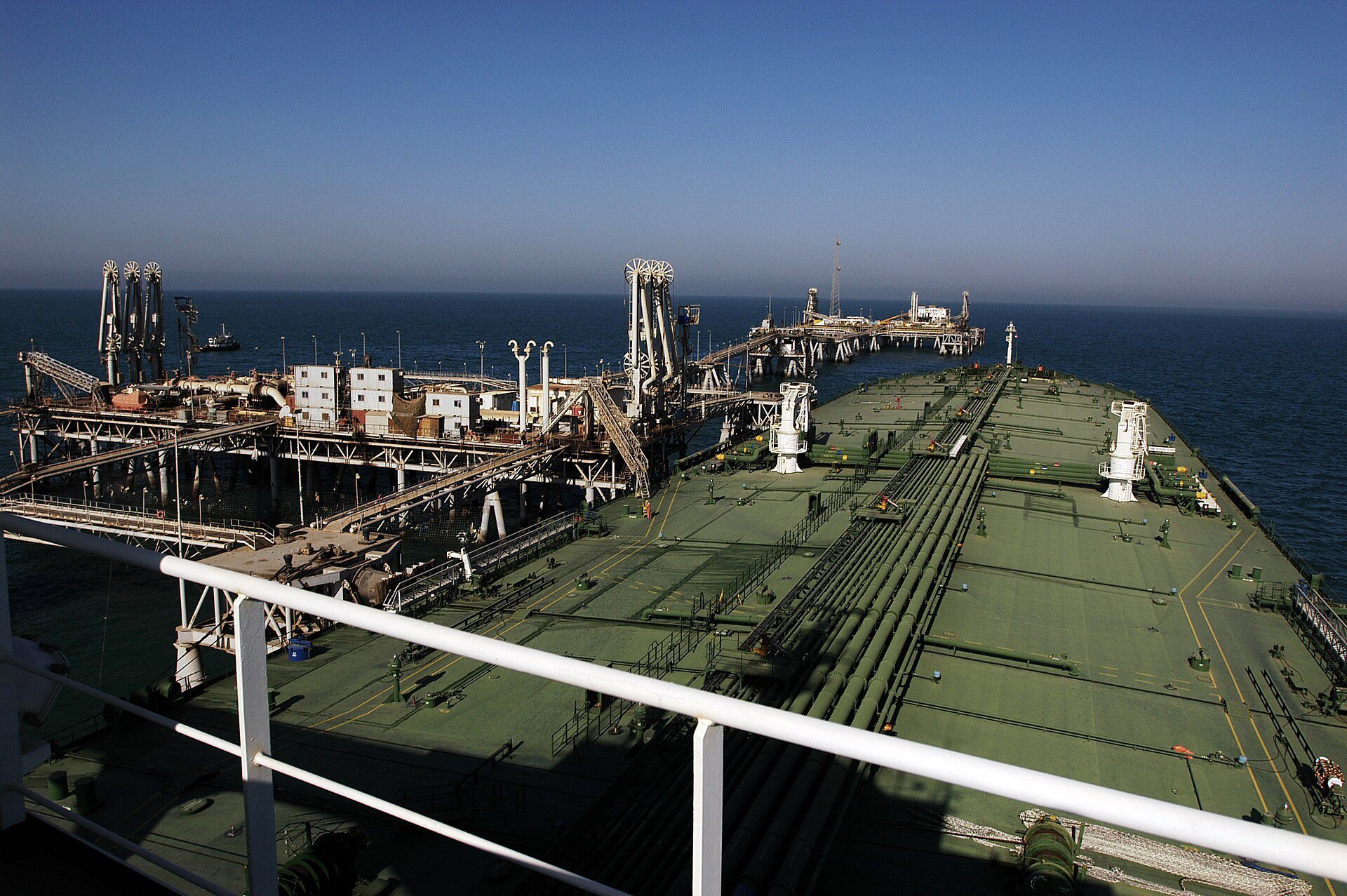
According to Iran’s state television, seven oil tankers were damaged overnight on 21–22 October 2026 in the Strait of Hormuz. The broadcaster quoted a statement from the navy of Iran’s Islamic Revolutionary Guard Corps (IRGC). The claim was reported on 22 October by the Associated Press and other outlets. None of it has been independently confirmed.
As reported, the IRGC navy statement gives a split of the seven: four tankers were targeted while they were transferring oil and caught fire, and three tankers were immobilised after hitting naval mines. No source has said who laid the mines. Earlier, on 20 October, the International Maritime Organization (IMO) had said it could not assure ships of mine-free transit through the strait. The figures in this story are therefore Iran’s figures, and they should be read and quoted as a claim, not as an established fact.
Why the Strait of Hormuz matters
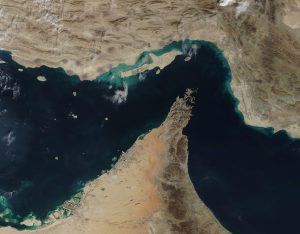
The Strait of Hormuz is a narrow sea passage that joins the Persian Gulf to the Gulf of Oman, and through it to the Arabian Sea and the open ocean. Oil and gas exported from the Gulf by sea must pass through it. According to the US Energy Information Administration (EIA), about 20 million barrels a day of oil moved through the strait in 2024, roughly 20 per cent of global petroleum liquids consumption. That is why the EIA calls it one of the world’s most important oil chokepoints: any disruption there can affect shipping and oil prices far beyond the region.
How to read a claim like this
In fast-moving conflicts, the first numbers often come from one side. A careful reader separates three things: who is making the claim (here, Iran’s state broadcaster quoting the IRGC navy), what is claimed (seven tankers damaged: four by fire after an attack, three by mines) and what is still unknown (independent confirmation, and who laid the mines). Reports that say ‘seven tankers were hit’ without naming the source turn a claim into a fact. In a reading passage, that difference is often the whole question.
- Chokepoint: a narrow sea passage through which a large share of trade must pass.
- Naval mine: an explosive device placed in water to damage or stop ships.
- Attribution: naming the source of a claim, e.g. ‘according to Iran’s state TV’.
- Strait of Hormuz joins the Persian Gulf and the Gulf of Oman.
- EIA: about 20 million barrels a day in 2024, roughly 20% of global petroleum liquids consumption.
- Claim of 22 Oct 2026: 7 tankers damaged (4 fire after attack, 3 naval mines), per Iran’s state TV quoting the IRGC navy.
- A disruption at a major chokepoint can move oil prices and shipping costs worldwide.
- Source-checking: an unconfirmed claim stays a claim until independent sources confirm it.
- IRGC = Islamic Revolutionary Guard Corps (Iran).
- IMO (20 Oct): could not assure ships of mine-free transit through the strait.
- Who laid the mines: not stated by any source.
Sources: Associated Press (via The Washington Post and U.S. News), The Washington Times (22 Oct 2026); US Energy Information Administration; Fox News (IMO context, 20 Oct 2026); NASA Earth Observatory.
Free in the CLAT Gurukul app
These notes (as a PDF lesson) and the 10-question CBT are in the app under Current Affairs → 23 Oct 2026. Get the app on Google Play or open app.clatgurukul.com.
Practice Quiz — 10 CLAT-Style Questions
Click an option to reveal the answer and explanation.