DAILY NEWS WRAP | 20 OCTOBER 2026
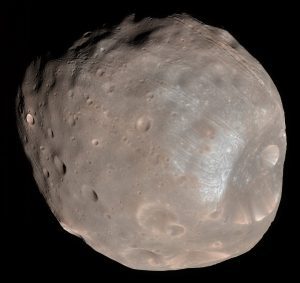
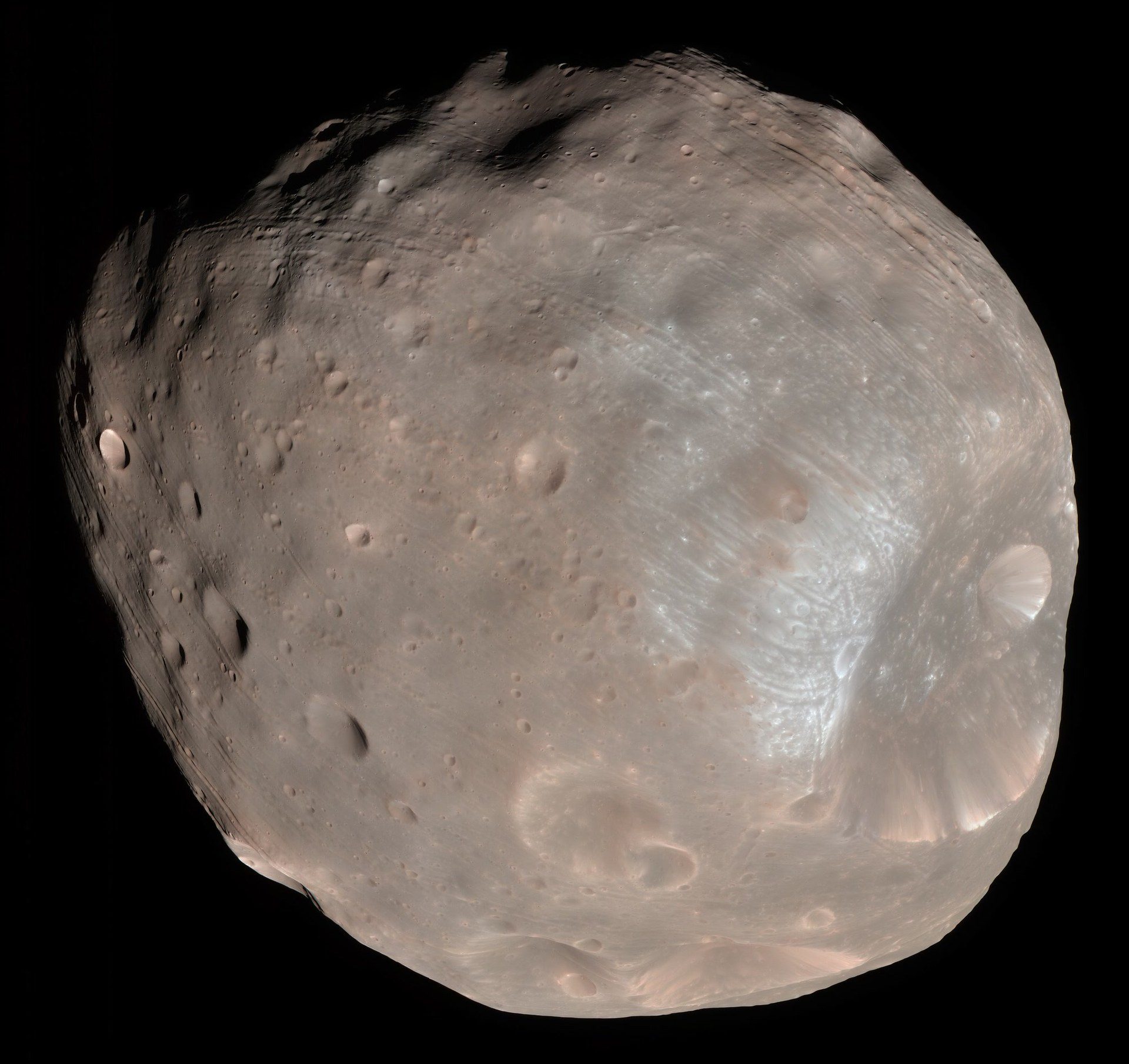
Japan’s space agency JAXA launched the MMX (Martian Moons eXploration) spacecraft at 04:41 JST on 20 October 2026 (01:11 IST; 19:41 UTC on 19 October) on H3 Flight 10 from the Tanegashima Space Center. MMX separated from the rocket about 71 minutes after lift-off and is on its transfer path to Mars. Its target is Phobos, the larger of Mars’s two moons.
What the mission will do
MMX plans to collect at least 10 grams of material from Phobos and bring it to Earth, with the return capsule planned for July 2031 (Japanese fiscal year 2031). If it succeeds, it will be the first mission to bring a sample back from the Mars system. MMX also carries Idefix, a small rover built by France’s CNES and Germany’s DLR, which is meant to move on the surface of Phobos.
Who is involved
JAXA leads the mission. Its partners include NASA, France’s CNES, Germany’s DLR and the European Space Agency (ESA). Saying that CNES and DLR are JAXA’s partners is correct; saying they are the only partners is not. Watch for that word in a statement question.
From “scheduled” to “launched”
Our 19 October wrap described MMX as scheduled to launch on 20 October. That launch has now taken place. In an exam, the status must match the date of the source: a source dated before the launch should say “scheduled”, while a source from 20 October 2026 onward can say “launched”. The sample is not yet on Earth, so any statement that MMX “has returned” material is false.
The moons of Mars
Mars has two moons, Phobos and Deimos, both discovered in 1877 by the American astronomer Asaph Hall. Phobos is the larger and orbits closer to the planet.
Constitutional, legal and institutional framework
- JAXA is the Japan Aerospace Exploration Agency, Japan’s national space agency.
- Outer Space Treaty, 1967: the exploration of outer space, including the Moon and other celestial bodies, is the province of all humankind, and celestial bodies are not subject to national appropriation.
- India’s counterpart: ISRO, under the Department of Space.
- CNES (France) and DLR (Germany) are national space agencies; ESA is an intergovernmental agency of European states.
CLAT angle
- Status by date: scheduled on 19 October, launched on 20 October 2026 (01:11 IST).
- Partners include: NASA, CNES, DLR and ESA. CNES and DLR built the Idefix rover.
- Numbers: H3 Flight 10; at least 10 g of sample; return in July 2031.
- International law: sampling a moon is exploration, not appropriation, under the Outer Space Treaty.
Key facts
| Fact | Detail |
|---|---|
| Mission | MMX (Martian Moons eXploration), led by JAXA |
| Launch | 04:41 JST, 20 October 2026 (01:11 IST) |
| Rocket and site | H3 Flight 10, Tanegashima Space Center |
| Separation | About 71 minutes after lift-off |
| Target | Phobos, the larger moon of Mars |
| Sample | At least 10 g; capsule return planned July 2031 |
| Partners include | NASA, CNES, DLR, ESA |
| Rover | Idefix, built by CNES and DLR |
| Moons of Mars | Phobos and Deimos, discovered 1877 by Asaph Hall |
Memory hook
“H3, flight 10, back in ’31.” An H3 rocket on Flight 10 carried MMX; the Phobos sample is due back in 2031.
Sources
Nikkei (20 Oct 2026); TV Tokyo BIZ (20 Oct 2026); Space.com (19 Oct 2026, US time); JAXA press release on the launch date (20 Aug 2026); ESA image page on MMX (Oct 2026); DLR on the Idefix rover (1 Sep 2026).
This is one story from the CLAT Gurukul Daily News Wrap of 20 October 2026. Read the full wrap: Daily News Wrap, 20 October 2026.
Free in the CLAT Gurukul app
These notes (as a PDF lesson) and the 10-question CBT are in the app under Current Affairs → 20 Oct 2026. Get the app on Google Play or open app.clatgurukul.com.
Practice Quiz — 10 CLAT-Style Questions
Click an option to reveal the answer and explanation.