CURRENT AFFAIRS | 14 OCTOBER 2026
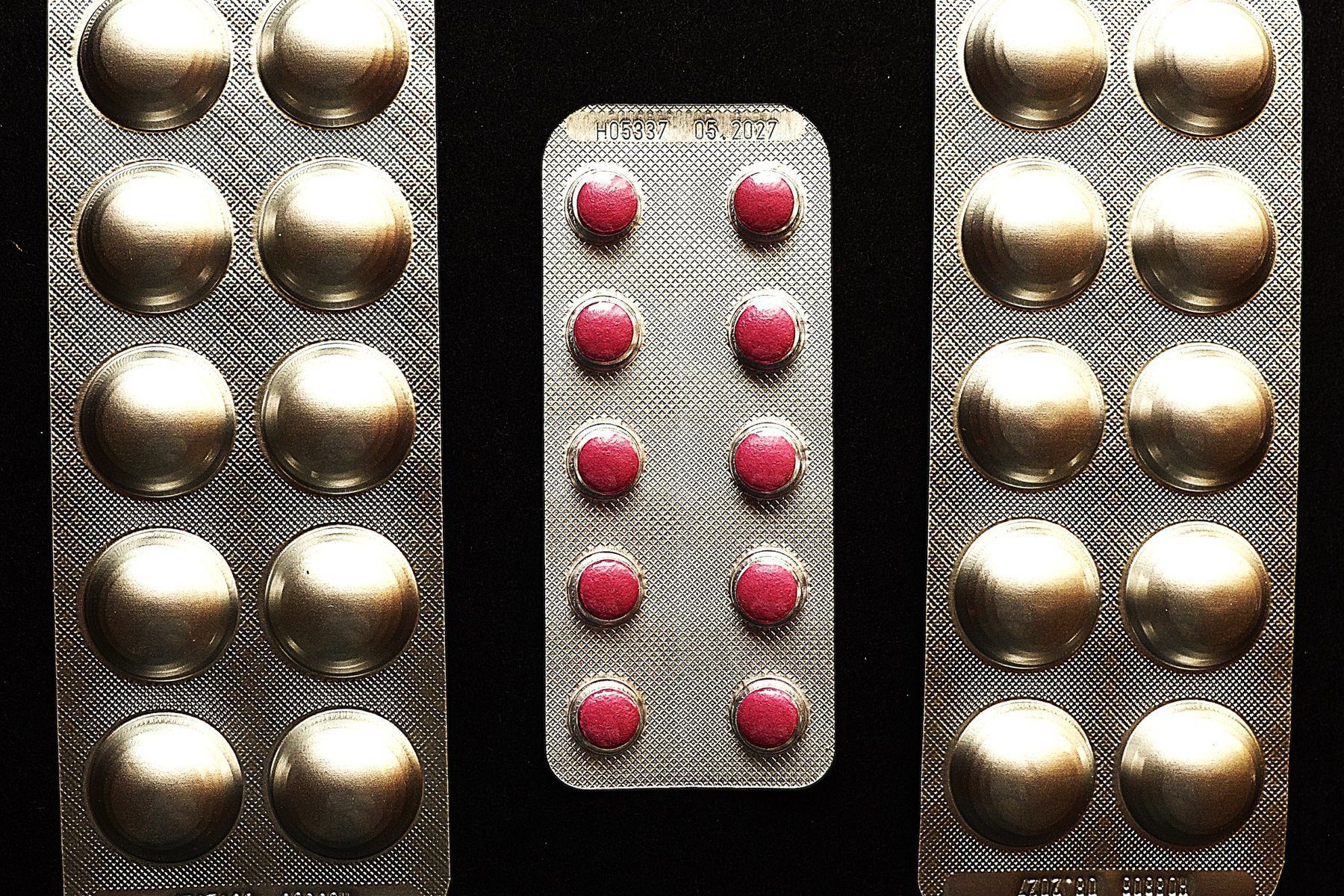
The National Pharmaceutical Pricing Authority (NPPA) has approved, in principle, a cap of 30% on trade margins, calculated on the maximum retail price (MRP), for identified non-scheduled anti-cancer medicines. The decision was taken at the Authority’s 151st meeting under the Drugs (Prices Control) Order, 2013 (its 283rd meeting overall), held on Thursday, 8 October 2026, according to the meeting minutes as reported by Medical Dialogues on 8 October and by Business Today and Outlook on 9 October 2026.
The legal route is Paragraph 19 of the Drugs (Prices Control) Order (DPCO), 2013 — the “extraordinary powers” clause that lets the Government fix prices in the public interest. The approval is conditional: the final list of medicines will be recommended by an expert committee under the Directorate General of Health Services (DGHS), after which the NPPA will issue a formal notification. For CLAT aspirants, the story connects the right to health, the Directive Principles, delegated legislation under the Essential Commodities Act, 1955, and basic economics of information asymmetry in markets.
What exactly did the NPPA decide?
According to the minutes, the NPPA’s analysis of market data (Pharmarack data) found that non-scheduled anti-cancer drugs carry an average trade mark-up of about 170%, with mark-ups of up to 700% in certain cases. A “trade margin” is the gap between the price at which a medicine leaves the manufacturer or importer (the first point of sale) and the price the patient finally pays.
The Authority also noted large variations in the prices actually charged across retail pharmacies, hospital pharmacies and e-pharmacies, including wide differences in the discounts offered on MRP. It concluded that high trade margins are a significant factor behind the high prices of non-scheduled cancer medicines.
The key elements of the decision are:
- The cap: trade margins on identified non-scheduled anti-cancer medicines to be limited to 30% of MRP.
- Expected effect: MRPs are expected to fall broadly by 20–70%, depending on each medicine’s existing trade structure and mark-up.
- Savings: an estimated ₹2,500 crore a year for patients, through lower out-of-pocket expenditure.
- Coverage: branded and generic, domestic and imported, and patented and non-patented medicines. Reports indicate that about 110 anti-cancer drugs, including 35 patented medicines, are proposed for coverage — subject to the expert committee’s list.
- Process: the Department of Pharmaceuticals asked the Ministry of Health and Family Welfare to set up the DGHS expert committee, with its report requested by 14 October 2026. The “positive list” may be updated periodically.
- Supply safeguard: manufacturers of covered medicines will be required to maintain current production levels, so that the price cut does not cause shortages.
Scheduled vs non-scheduled: why this gap existed
India’s drug-price control works on two tracks. Scheduled formulations are medicines listed in the National List of Essential Medicines (NLEM), which is incorporated as the First Schedule to the DPCO, 2013. For these, the NPPA fixes a ceiling price, and no manufacturer may sell above it. The minutes note that NLEM 2022 includes 63 anti-cancer drugs, which are already under the ceiling-price mechanism.
Non-scheduled formulations — everything outside the NLEM — are not price-fixed. The NPPA only monitors them to ensure that their MRP does not rise by more than 10% in a year. This is where the cancer-drug problem sits. According to the minutes, the anti-cancer market has about 225 drugs and 500 formulations with an annual turnover of around ₹12,500 crore; scheduled cancer drugs account for only about ₹2,250 crore of it. In other words, the bulk of cancer-medicine spending lies in the non-scheduled segment, where a 10% annual-increase rule does nothing to curb a high starting mark-up.
Constitutional / Legal Framework
Essential Commodities Act, 1955: drugs are an “essential commodity”. Section 3 empowers the Central Government to issue orders regulating the production, supply, distribution and price of essential commodities. The DPCO, 2013 is such an order — a classic example of delegated legislation.
DPCO, 2013: its First Schedule carries the NLEM-based list of scheduled formulations; ceiling prices are fixed for these. Non-scheduled formulations are subject to the 10%-a-year cap on MRP increases.
Paragraph 19, DPCO 2013 (extraordinary powers): notwithstanding anything else in the Order, the Government may, in extraordinary circumstances and if it considers it necessary in the public interest, fix the ceiling price or retail price of any drug for such period as it thinks fit. This is how a non-scheduled drug can be brought under price control.
NPPA: constituted by a Government of India resolution dated 29 August 1997; it is now an attached office of the Department of Pharmaceuticals, Ministry of Chemicals and Fertilizers. The Government’s powers under the DPCO are exercised through the NPPA.
Constitution: Article 21 (right to life) has been read by the Supreme Court to include the right to health and medical care — for instance, in Paschim Banga Khet Mazdoor Samity v State of West Bengal (1996). Article 47 (a Directive Principle) makes the improvement of public health among the primary duties of the State.
The 2019 precedent: Trade Margin Rationalisation
The 2026 move is not new in design. On 27 February 2019, the NPPA notified a Trade Margin Rationalisation (TMR) covering 42 non-scheduled anti-cancer drugs, invoking Paragraph 19 in public interest. That exercise used a trade margin of 30% from the first point of sale (the price to the stockist). The minutes record that the 2019 TMR cut MRPs by up to 91% across 526 brands, with annual savings of about ₹984 crore.
The minutes state that the Department of Pharmaceuticals has directed the NPPA to implement TMR on non-scheduled anti-cancer drugs under Paragraph 19 “as was done in 2019”. The 2026 version is described as a cap on MRP; the precise computation will be known only from the final notification, so aspirants should note the difference between the two reported bases rather than assume they are identical.
The court backdrop
The decision also has a judicial backdrop. A Supreme Court bench has been hearing a matter on steep mark-ups on cancer medicines, and the matter had been listed for 12 October 2026. The NPPA’s decision is an executive measure under existing delegated powers; it does not depend on a court direction.
The CLAT Angle
Legal Reasoning: expect a passage on delegated legislation — a parent Act (Essential Commodities Act) authorising an Order (DPCO), and a residuary “public interest” power (Paragraph 19). Questions may test whether an extraordinary power can be used for drugs outside the scheduled list (it can, by its own terms), and whether the State may restrict a trader’s freedom under Article 19(1)(g) through reasonable restrictions in the interest of the general public under Article 19(6).
Current Affairs / GK: NPPA (1997), DPCO 2013, NLEM, scheduled vs non-scheduled, Paragraph 19, TMR 2019 (42 drugs), the 2026 figures (30%, ~170% average mark-up, up to 700%, ₹2,500 crore).
Logical Reasoning: a passage may argue that price caps cause shortages — note the built-in counter-measure (mandatory maintenance of production levels) and test assumptions and weakeners.
Analysis: does a trade-margin cap work?
The case for it. Medicine is a market with information asymmetry — the patient neither chooses the molecule nor can compare the price of a hospital pharmacy with that of a retail store in the middle of treatment. The minutes explicitly cite the NPPA’s mandate to prevent “unjustified profiteering” in view of this asymmetry. A cap on the margin, rather than on the manufacturer’s price, targets the distribution chain directly and leaves room for innovation-based pricing of patented molecules at the first point of sale.
The risks. Price controls can reduce the incentive to stock and sell a product, which is why the production-maintenance condition matters. A margin cap also does not lower the base price of an expensive patented drug; it only trims what is added on top. And the benefit depends on the scope of the final list — drugs left out stay under the 10%-annual-increase rule alone.
Key Facts
- Decision: NPPA’s 151st meeting under DPCO 2013 (283rd overall), 8 October 2026.
- Approved in principle: trade margin capped at 30% of MRP on identified non-scheduled anti-cancer medicines.
- Legal basis: Paragraph 19, DPCO 2013 — extraordinary powers in public interest.
- Average trade mark-up found: about 170%; up to 700% in some cases.
- Expected MRP fall: 20–70%; estimated savings about ₹2,500 crore a year.
- List to be recommended by an expert committee under DGHS; report sought by 14 October 2026.
- About 110 drugs, including 35 patented, reportedly proposed for coverage.
- Manufacturers must maintain current production levels.
- Precedent: TMR of 27 February 2019 on 42 non-scheduled anti-cancer drugs; up to 91% MRP cut across 526 brands.
- NLEM 2022 includes 63 anti-cancer drugs already under ceiling prices.
- Non-scheduled drugs otherwise face only a 10% annual cap on MRP increases.
- NPPA: set up 29 August 1997; under the Department of Pharmaceuticals, Ministry of Chemicals and Fertilizers.
Memory Hook / Mnemonic
“19 → 30, 170 → 2,500” — Paragraph 19 brings a 30% cap on a 170% average mark-up to save ₹2,500 crore.
“42 in ’19, 110 in ’26” — 42 drugs under TMR in 2019; about 110 proposed in 2026.
S-N rule: Scheduled = ceiling price (NLEM); Non-scheduled = only 10% a year — unless Para 19 steps in.
Practice Quiz — 10 CLAT-Style Questions
Click an option to reveal the answer and explanation.