Watch the video explainer · open on YouTube
VIDEO EXPLAINER | 6 OCTOBER 2026
On 2 October 2026, a 28-year-old laboratory technician at the Irkutsk Anti-Plague Research Institute of Siberia and the Far East in Russia died of severe pneumonia. Within days, headlines and social media were asking whether plague had returned to Russia. The short answer: plague has not been officially confirmed. Russia’s health agency calls the illness a pneumonia of undetermined cause, and the World Health Organization (WHO) says no cause of death has been officially confirmed and that the risk to the general public appears to be low. This explainer separates what is confirmed from what is only claimed, then covers the science, India’s own history with the disease and the exam facts.
1. What is confirmed, and what is only claimed
The claim. An independent outlet, Lyudi Baikala, and Telegram channels reported that the worker had pneumonic plague and that she broke a test tube of plague bacteria on 25 September while collecting samples. No official body has confirmed this, and Rospotrebnadzor denies any laboratory accident.
The official position. On 4 October, Rospotrebnadzor, Russia’s health agency, described the illness as “pneumonia of undetermined etiology”, meaning the cause is not yet known. It said expanded testing found no microorganisms linked to the worker’s professional activities, that a biosafety commission found no accidents in the handling of pathogens at the institute, and that the situation in Irkutsk and Shelekhov was stable.
WHO. In a statement on 5 October, WHO said that no cause of death had been officially confirmed, that tests were under way, that the worker’s contacts had been identified and monitored and none had symptoms, and that the risk to the general population “appears to be low”. As a precaution, about 200 people were placed under medical observation. The Kremlin, through Peskov, asked people to rely on Rospotrebnadzor’s statements rather than rumours.
2. A separate story on the map
Do not confuse the Irkutsk case with another report. On 4 September 2026, Rospotrebnadzor reported high activity in the natural plague focus on the Russia–Mongolia border. There, the bacteria circulate among animals only, mainly rodents, and there are no human cases. Russia has 11 officially recognised natural plague foci, and its last known human case was in 2016, in the Altai region.
3. The science
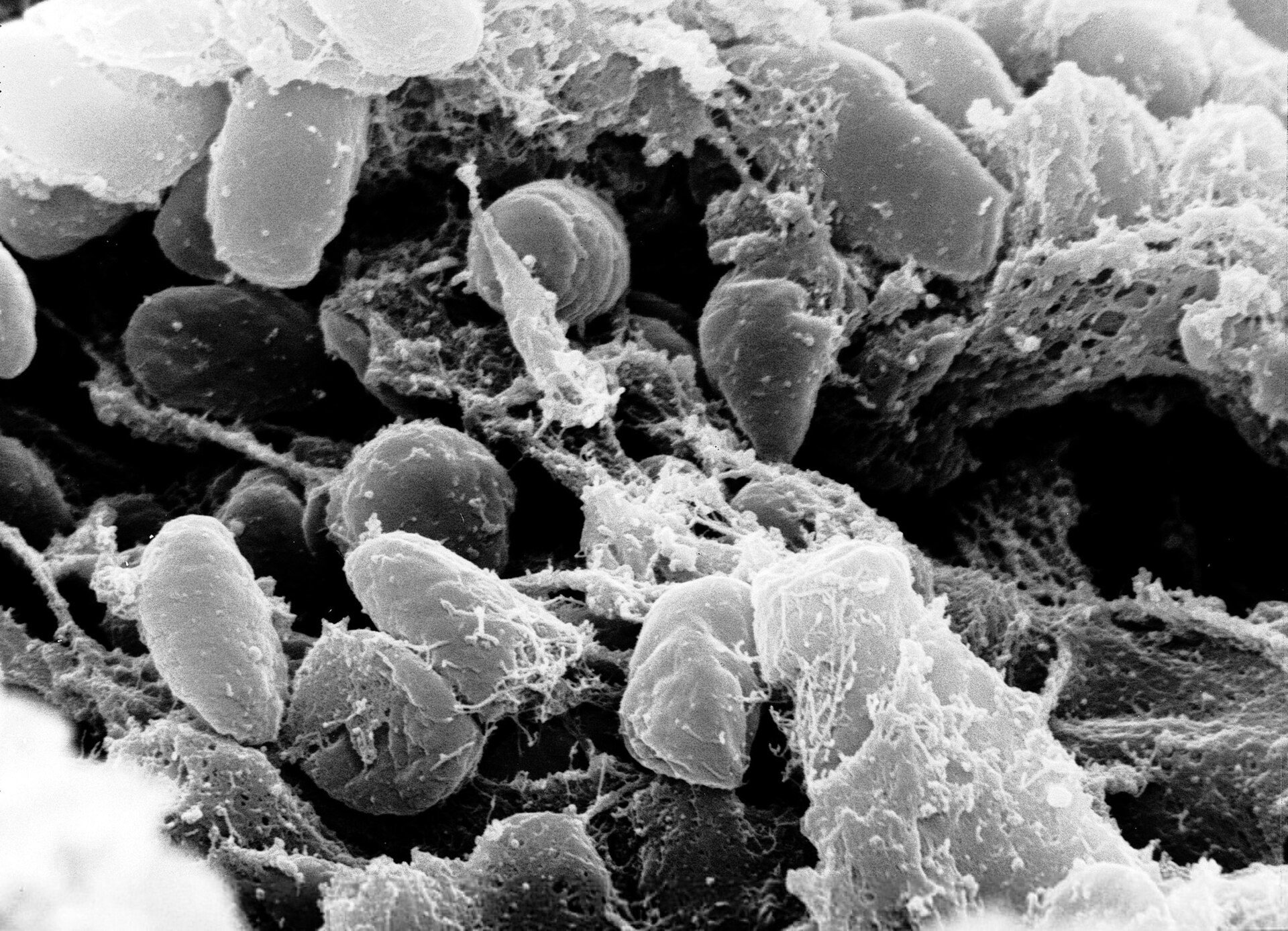
Plague is caused by the bacterium Yersinia pestis, found in small mammals and their fleas. It spreads through flea bites, contact with infected tissue and droplets from patients with the lung form. It takes three forms: bubonic (the most common, with swollen lymph nodes called buboes), septicaemic (in the blood) and pneumonic (in the lungs). The pneumonic form is the most severe and the only one that spreads from person to person.
Plague is treatable with antibiotics. Untreated, it is very dangerous, but WHO says recovery rates are high when it is detected and treated in time, within 24 hours of the onset of symptoms. Most cases reported to WHO between 2019 and 2025 were in the Democratic Republic of the Congo and Madagascar.
4. Plague and Indian law
The Third Pandemic of plague began in Yunnan, China, in 1855 and reached Bombay in September 1896. In response, the Epidemic Diseases Act was enacted on 4 February 1897. Section 2 of the Act empowers States to take special measures during an epidemic. The same law was invoked for COVID-19: on 11 March 2020 the Cabinet Secretary asked all States and Union Territories to invoke Section 2. An amendment in 2020 made violence against healthcare personnel a cognizable and non-bailable offence.
Plague has appeared in independent India too. Pneumonic plague was reported in Surat from 22 September 1994, and a cluster of pneumonic plague occurred in Shimla district (Himachal Pradesh) in February 2002. India’s Plague Surveillance Unit in Bengaluru was set up in 1975 under what is now the National Centre for Disease Control. As of 6 October 2026, no Indian advisory had been issued on the Irkutsk case.
Legal and institutional framework
- Epidemic Diseases Act, 1897: Section 2 empowers States to take special measures; invoked for COVID-19 in March 2020.
- 2020 amendment: violence against healthcare personnel made cognizable and non-bailable.
- International Health Regulations (2005): every event involving pneumonic plague must be assessed under the IHR decision process and notified to WHO if it meets the criteria. It is not automatically notifiable.
- WHO: headquarters in Geneva; Director-General Dr Tedros Adhanom Ghebreyesus.
- Rospotrebnadzor: Russia’s health agency; issued the official diagnosis on 4 Oct 2026.
The CLAT angle
- GK staples: Yersinia pestis; three forms (bubonic, septicaemic, pneumonic); only pneumonic spreads person to person.
- Legal GK: Epidemic Diseases Act, 1897 (Section 2) and its 2020 amendment protecting healthcare workers.
- A reading passage may test the line between a claim and a confirmed fact: the Irkutsk case is unconfirmed.
- History line: Third Pandemic from Yunnan (1855), Bombay (1896), the 1897 Act.
- Institutions: WHO is based in Geneva; the IHR (2005) require assessment of every pneumonic plague event.
Key facts
| Fact | Detail |
|---|---|
| Irkutsk death | 2 Oct 2026; lab technician, severe pneumonia |
| Official diagnosis | Pneumonia of undetermined etiology (Rospotrebnadzor, 4 Oct) |
| WHO view | Cause not confirmed; public risk appears low |
| Under observation | About 200 people |
| Border focus | Russia–Mongolia border; animals only, no human cases |
| Russia’s last human case | 2016, Altai |
| Cause of plague | Yersinia pestis |
| Treatment window | Antibiotics within 24 hours of symptoms |
| Epidemic Diseases Act | 4 Feb 1897 |
| Third Pandemic | Began Yunnan, China, 1855 |
Memory hook
“Bubo, Blood, Breath.” The three forms in order: bubonic (lymph nodes), septicaemic (blood), pneumonic (lungs). Only the last, Breath, passes from person to person. And for the news: claimed, not confirmed.
Sources
RFE/RL (5 Oct 2026), The Moscow Times (2 Oct 2026) and Euronews (4 Oct 2026) on the Irkutsk death; RIA Novosti and Lenta.ru (4 Oct 2026) on Rospotrebnadzor’s statement; WHO’s statement to Newsweek (5 Oct 2026); Meduza (5 Oct 2026); RIA Novosti and Izvestia (4 Sep 2026) on the border focus; the WHO fact sheet on plague (29 Sep 2026); PRS Legislative Research on the 2020 amendment; CDC on Surat (1994) and Shimla (2002); NCDC; WHO guidance on Annex 2 of the IHR.
Free in the CLAT Gurukul app
These notes (as a PDF lesson) and the 10-question CBT are in the app under Current Affairs → 6 Oct 2026. Get the app on Google Play or open app.clatgurukul.com.
Practice Quiz — 10 CLAT-Style Questions
Click an option to reveal the answer and explanation.