

CURRENT AFFAIRS | MAY 13, 2026
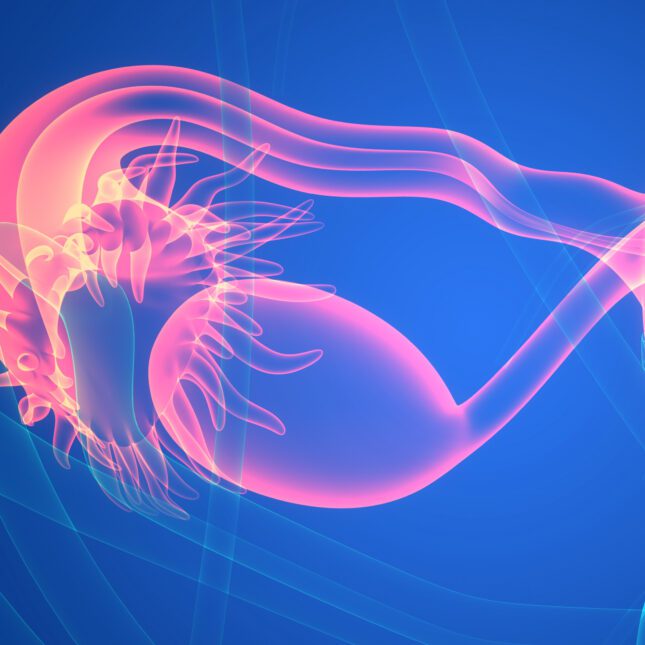
After a 14-year global consensus process involving 22,000 patients, 56 societies, and 240+ researchers, the International Society of Endocrinology has formally renamed Polycystic Ovary Syndrome (PCOS) to Polyendocrine Metabolic Ovarian Syndrome (PMOS). The consensus was published in The Lancet on May 13, 2026.
The old name was scientifically misleading — most patients diagnosed with “PCOS” do not actually have ovarian cysts. The new name reflects the condition’s actual nature: a multi-system disorder involving the hypothalamic-pituitary-ovarian (HPO) axis, insulin resistance, and adipose-tissue dysregulation. The condition affects roughly 170 million women worldwide (1 in 8 of reproductive age); India’s prevalence is estimated at 8–22%, with diagnostic delays of 4–5 years on average.
Constitutional & Legal Framework
Article 21 — Right to life and personal liberty; judicially expanded in Suchita Srivastava v. Chandigarh Admin. (2009) to include reproductive autonomy and the right to health.
Article 47 (DPSP) — Duty of the State to raise the level of nutrition and standard of public health.
Drugs and Cosmetics Act, 1940 — Regulates manufacture, sale and distribution of allopathic medicines used in PMOS treatment (metformin, anti-androgens, oral contraceptives).
WHO ICD-11 — The International Classification of Diseases, 11th revision, will require updating to formally adopt the PMOS nomenclature. Indian medical record systems following ICD coding will follow suit.
CLAT 2027 Angle
Health-policy questions appear in both GK and Legal Reasoning sections. The PMOS renaming illustrates how scientific nomenclature can affect legal regimes — insurance coverage, ICD-11 listing, drug-trial protocols, and the National Medical Commission’s curriculum updates. Note also: India’s Mental Healthcare Act, 2017 and Surrogacy (Regulation) Act, 2021 intersect with reproductive health frameworks. The Right to Reproductive Autonomy is a derivative of Article 21.
Key Facts
- Old name: Polycystic Ovary Syndrome (PCOS) — misleading because cysts are not universal
- New name: Polyendocrine Metabolic Ovarian Syndrome (PMOS)
- Published in: The Lancet
- Process: 14-year consensus · 22,000 patients surveyed · 56 medical societies · 240+ researchers
- Global burden: ~170 million women (1 in 8 of reproductive age)
- India prevalence: 8–22%
- India diagnostic delay: 4–5 years
- Transition timeline: 3-year managed adoption across health systems
- Mechanism: HPO-axis disruption + insulin resistance + adipose-tissue dysregulation
Mnemonic — “POLY → POLY”
POLYcystic became POLYendocrine. Pituitary · Ovarian · Liver/insulin · Yes-it-is-multi-system. Lancet · 14 years · 170 million.
Practice Quiz — 10 CLAT-Style Questions
Click an option to reveal the answer and explanation.