CURRENT AFFAIRS | 15 OCTOBER 2026
The conflict between Saudi Arabia and Yemen’s Houthis escalated further on Tuesday, 13 October 2026, when the two sides struck each other’s energy infrastructure on the same day. According to The National (Abu Dhabi, posted 14 October), the Saudi-led coalition said late on Tuesday that it had carried out an operation against energy sites in Houthi-held areas, including the Al Sabaha central fuel station near the Yemeni capital, Sanaa, and fuel-loading piers at the Red Sea port of Hodeidah.
The same night, according to reports, a Saudi Aramco administrative building in Dhahran caught fire. The BBC reported on 14 October that Saudi Arabia’s energy ministry said a Houthi attack had caused a “limited fire” in an administrative building at Aramco’s headquarters complex, with no deaths or injuries. Bloomberg, in a report carried by World Oil on 13 October, said the fire had since been put out and that it “couldn’t immediately be established” whether the impact came from debris of intercepted projectiles.
What happened on 13 October
The strike near Sanaa. The BBC reported that the coalition had earlier issued a rare warning to civilians to leave the al-Sabaha fuel depot, saying it was planning a “special operation”. The coalition then struck the facility on Tuesday evening. According to the coalition statement quoted by The National, the Houthis use “civilian objects and vital resources to sustain its war effort”, including “underground strategic fuel reserves” and fuel-loading berths in Hodeidah, Sanaa and Dhamar. Video posted on social media appeared to show a large fireball above Sanaa. The Houthi-run Yemen Petroleum Company said the facility “does not contain any stock of petroleum products”, a claim that, The National noted, has not been independently verified. The scale of damage was not immediately clear.
The fire in Dhahran. The coalition said its air defences intercepted a ballistic missile launched towards Dhahran and that debris fell in a residential area. Later, the energy ministry said an Aramco building in the city had been targeted. Accounts of the damage differ: sources quoted by Reuters (as reported by the BBC and CBC) said a ballistic missile hit an office tower in the headquarters complex, while neither Aramco nor Saudi authorities had officially confirmed which building was hit, The National said. Separately, Saudi Arabia’s Civil Defence said debris from two intercepted missiles over Riyadh injured four people and damaged 15 homes.
Why it matters. The exchange came three days after the 10 October attack on King Khalid International Airport in Riyadh, which Saudi authorities said killed 12 people and injured more than 300; the toll later rose to 13. The Houthis said they targeted Aramco and Riyadh’s airport in response to the strike on the al-Sabaha facility and warned of further attacks, the BBC reported. The National said oil prices rose on Wednesday after news of the Aramco attack.
Background & Framework
The Yemen conflict: According to the Council on Foreign Relations (CFR) Global Conflict Tracker, Yemen’s civil conflict began in 2014, when the Houthis took control of the capital, Sanaa. In 2015, a Saudi-led coalition of Gulf states intervened in support of the internationally recognised government. The fighting largely quietened under a UN-brokered truce in 2022, which, CBC reported, held until the hostilities resumed this year.
Who the Houthis are: The movement is formally called Ansar Allah (Ansarallah). Major outlets describe it as Iran-backed, and it controls Sanaa and much of western Yemen.
The legal vocabulary: The coalition justified its strike by calling the fuel sites “civilian objects” used for the war effort. This mirrors the core rule of international humanitarian law: attacks must be limited to military objectives, and civilian objects are protected unless they make an effective contribution to military action. Whether a fuel depot qualifies is exactly the kind of contested question that international lawyers debate.
Bab-el-Mandeb and the Red Sea: the geography behind the headlines
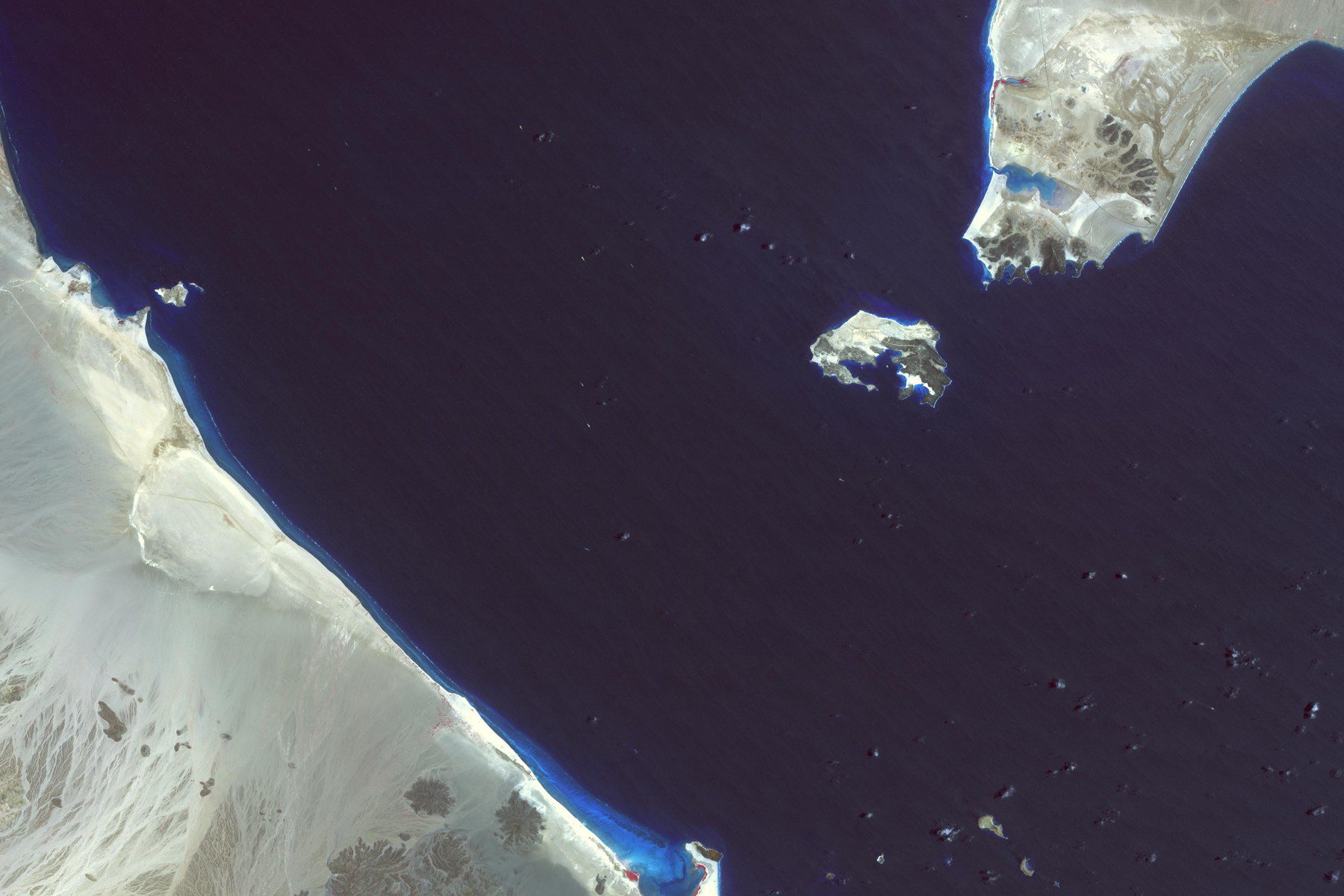
The exam fact in our News Wrap is simple: the Bab-el-Mandeb strait links the Red Sea and the Gulf of Aden. It separates Yemen on the Arabian Peninsula from Djibouti and Eritrea in the Horn of Africa, and is often called the “Gate of Tears”.
CBC reported that the Houthis swept down Yemen’s Red Sea coast to the Bab el-Mandeb last month, and that the strait — the southern gateway to the Red Sea — has become a more vital route for Saudi and global energy supplies since shipping through the Strait of Hormuz was disrupted earlier this year. According to the CFR, almost 15% of global seaborne trade passes through the Red Sea, and the Houthis have attacked Red Sea shipping since November 2023.
Dhahran, by contrast, lies on Saudi Arabia’s Persian Gulf coast in the Eastern Province. Bloomberg described it as “at the heart of the kingdom’s oil economy” — home to Aramco, a petroleum university and a major air base, near the country’s biggest oil fields. An attack there signals that the conflict now reaches the eastern oil heartland, far from the Yemen border.
The CLAT Angle
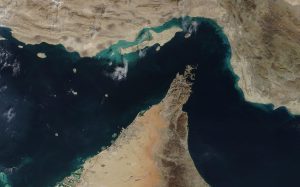
GK (map-based): Expect questions pairing straits with the waters they connect — Bab-el-Mandeb (Red Sea–Gulf of Aden; Yemen on one side, Djibouti and Eritrea on the other) and Hormuz (which, as CBC put it, leads from the Gulf to the Indian Ocean). Know which countries flank each strait.
GK (organisations): The Gulf Cooperation Council (GCC) was founded in 1981, has six members (Bahrain, Kuwait, Oman, Qatar, Saudi Arabia, UAE) and is headquartered in Riyadh. Yemen is not a member.
Legal Reasoning: A passage on this event could test the principle of distinction — can a fuel depot that supplies both civilians and fighters be treated as a military objective? Read the principle given in the passage and apply only that.
India link: According to the Embassy of India in Riyadh, about 2.74 million Indians live in Saudi Arabia, and the kingdom supplied 13.58% of India’s crude imports (33.14 MMT) in FY 2024-25.
India’s position and stake
India has a direct interest in calm in the Gulf. According to Outlook India (11 October), India condemned the repeated attacks on King Khalid International Airport and other civilian facilities in Riyadh, calling attacks on civilians and civilian infrastructure unacceptable. The Embassy of India in Riyadh said 11 Indians were among those injured in the 10 October attack and that it was in touch with local authorities and hospitals.
The stakes for India are threefold. First, the diaspora: about 2.74 million Indians live in Saudi Arabia, and their safety is the first concern whenever civilian sites are hit. Second, energy security: Saudi Arabia is a major crude supplier, and attacks on energy sites push up oil prices, which feed into India’s import bill and inflation. Third, sea lanes: instability near Yemen affects the Red Sea route, which, according to the CFR, carries almost 15% of global seaborne trade — a route that matters for India’s westward trade.
Analysis: the Saudi Houthi escalation moves to energy
The pattern of 13 October is worth noting for its symmetry. The coalition struck fuel infrastructure in Houthi-held Yemen after a public evacuation warning; the Houthis said they responded by targeting Aramco and Riyadh’s airport. When both sides target the other’s energy assets, the effects spread beyond the battlefield — to fuel supplies inside Yemen, to oil markets, and to shipping. The BBC reported that queues formed at petrol stations in Sanaa after the warning.
Two cautions apply. First, much of the detail remains unconfirmed: the cause of the Dhahran fire, the extent of damage and the effect on fuel stocks were not independently established in the reports. Second, the wider regional picture — including the disruption around Hormuz — means that the Red Sea route now carries more weight than usual, which is why the Bab-el-Mandeb features so prominently in analysis of this conflict.
Watch our detailed video explainer and take its quiz: Houthi Attack on Riyadh Airport: Yemen War, Latest and India’s Stake.
Key Facts
- Date: Tuesday, 13 October 2026 — both sides struck energy sites on the same day.
- Sanaa strike: Saudi-led coalition hit the Al Sabaha central fuel station near Sanaa.
- Other targets named: fuel-loading piers at Hodeidah; coalition also listed sites in Dhamar.
- Dhahran: “limited fire” in an Aramco administrative building, per Saudi energy ministry.
- Casualties in Dhahran: none reported; Riyadh debris injured four (Civil Defence).
- Earlier attack: 10 October, King Khalid International Airport, Riyadh; toll later 13.
- Bab-el-Mandeb: links the Red Sea and the Gulf of Aden; between Yemen and Djibouti/Eritrea.
- Yemen conflict: Houthis took Sanaa in 2014; Saudi-led coalition from 2015; UN-brokered truce 2022.
- Red Sea trade: almost 15% of global seaborne trade (CFR).
- GCC: founded 1981, six members, HQ Riyadh.
- India: ~2.74 million Indians in Saudi Arabia; 13.58% of India’s crude in FY 2024-25.
Memory Hook / Mnemonic
“Bab opens the RED door to ADEN.” Bab-el-Mandeb = Red Sea ↔ Gulf of Aden; Hormuz = the Gulf ↔ the Indian Ocean side. For the 13 October exchange, remember “S-D on 13”: Sanaa fuel depot struck, Dhahran Aramco building on fire — energy for energy. And the Yemen timeline: 14 – 15 – 22 (Sanaa taken, coalition enters, UN truce).
Practice Quiz — 10 CLAT-Style Questions
Click an option to reveal the answer and explanation.