CURRENT AFFAIRS | MAY 13, 2026
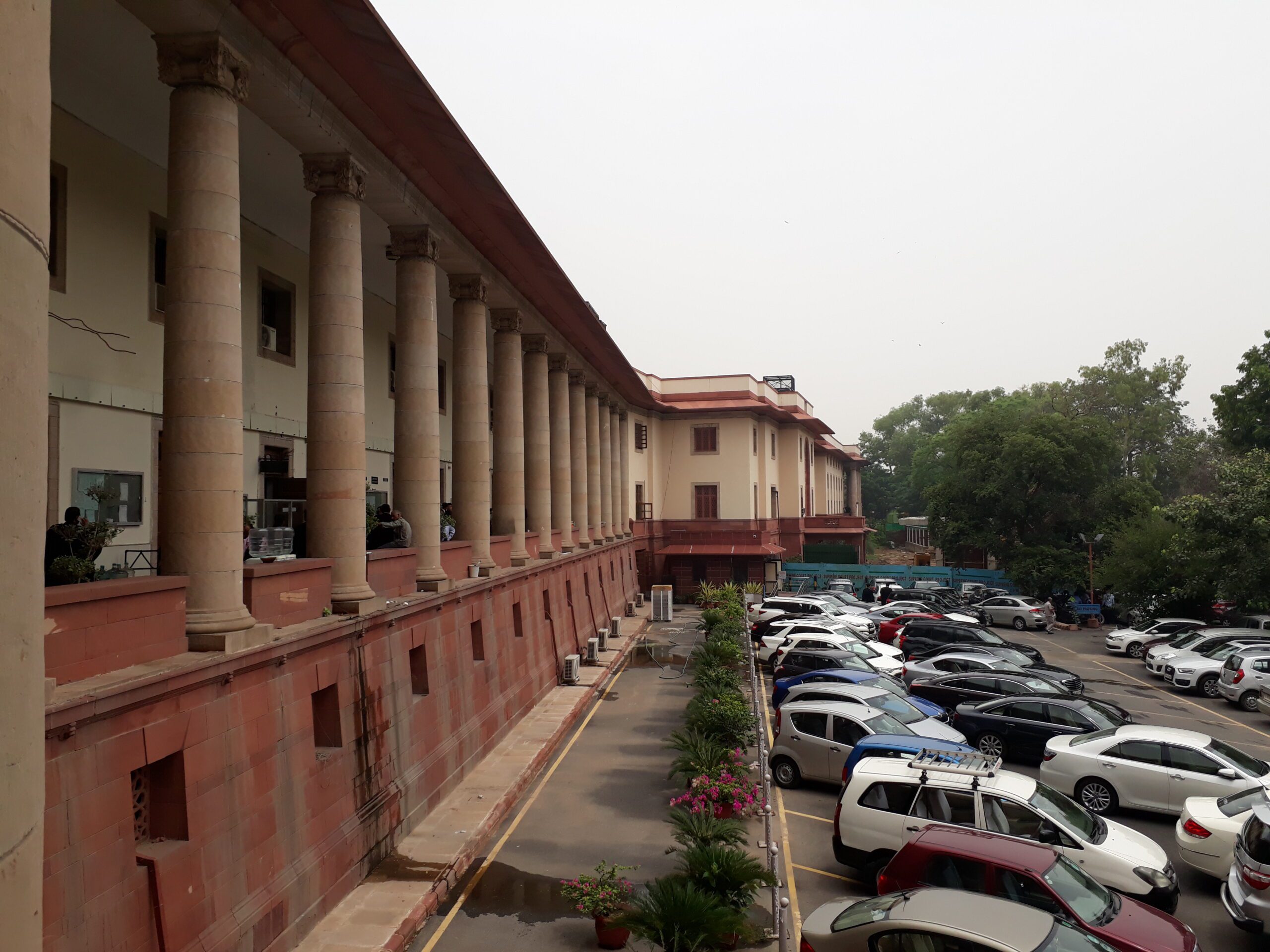
On 12 May 2026, a Supreme Court bench of Justices J.B. Pardiwala and Ujjal Bhuyan quashed a criminal case that had been crawling through the Prayagraj courts since 1991 — a staggering 35 years. The accused, Kailash Chandra Kapri, had been booked under a food-quality dispute that survived four governments, multiple judges and even the death of co-accused. The bench fired a rare salvo: “No court bothers to follow guidelines on speedy trial.”
The case is a textbook CLAT 2027 prompt — uniting Article 21, Hussainara Khatoon, Antulay and the new BNSS framework in one moving target.
Constitutional & Legal Framework
- Article 21 — right to life and personal liberty; speedy trial read in via Hussainara Khatoon v. State of Bihar (1979).
- Article 39A (DPSP) — mandates free legal aid and equal justice; foundational to legal-aid jurisprudence.
- Abdul Rehman Antulay v. R.S. Nayak (1992, 5-judge bench) — refused fixed time-limits but laid down guiding factors for “reasonable time”.
- BNSS, 2023 §187(3) — retains 90-day cap for serious offences, 60 days otherwise, after which default bail is mandatory.
- BNSS §258 — pronouncement of judgment within 45 days of conclusion of arguments (a new mandate).
Why It Matters for CLAT 2027
Expect a Legal Reasoning passage built on this judgment. Likely angles:
- Application of Article 21 to delay-driven quashing — principle × fact pattern.
- Distinction between “right to speedy trial” (constitutional) and “statutory time-limits” (BNSS).
- Doctrine of cessante ratione legis cessat ipsa lex — when the reason for prosecution ceases, prosecution itself should cease.
- GK direct hits: 4.5 crore pending district cases (NJDG, 2026); Malimath Committee 2003 recommendations.
Key Facts to Memorise
- Bench: Justices J.B. Pardiwala + Ujjal Bhuyan.
- Case origin: 1991, Prayagraj (then Allahabad), food-quality dispute.
- Duration: 35 years — spanning four central governments.
- CJI Surya Kant had earlier cited ~20 SC precedents emphasising speedy trial.
- Article 21 reading down: Hussainara Khatoon (1979) → Antulay (1992) → P. Ramachandra Rao (2002) → today.
- Maxim quoted: “Justice delayed is justice denied” — attributed to William E. Gladstone.
Mnemonic: HAPPY Speedy-Trial Chain
Hussainara Khatoon (1979) — the seed.
Antulay (1992) — refused rigid limits, gave guiding factors.
P. Ramachandra Rao (2002) — 7-judge bench reaffirmed flexible standard.
Pardiwala-Bhuyan (2026) — courts ignoring all of the above.
Yielded outcome: case quashed under Article 21.
Sources: Indian Express p.8 (Ananthakrishnan G), 13 May 2026; Supreme Court of India order dated 12 May 2026.
Practice Quiz — 10 CLAT-Style Questions
Click an option to reveal the answer and explanation.