

CURRENT AFFAIRS | 24 JULY 2026
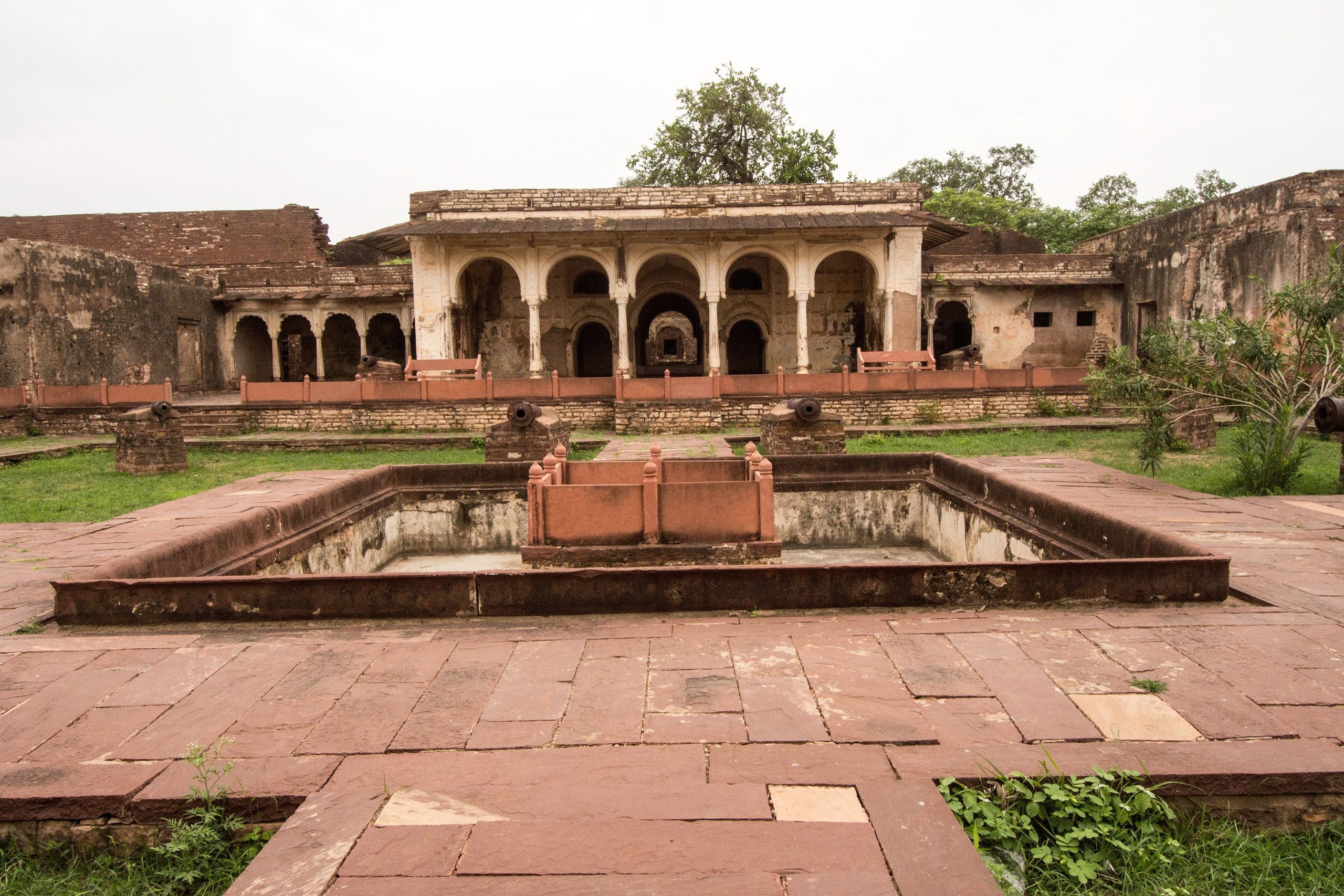
Police in Madhya Pradesh and Rajasthan are hunting for a 3,500-kg antique cannon stolen from the historic Narwar Fort in Shivpuri, MP — a striking example of India’s rampant heritage-crime problem. According to the Archaeological Survey of India (ASI), the country tops the world in antiquity thefts from protected monuments, spotlighting the Antiquities and Art Treasures Act, 1972.
Constitutional & Legal Framework
- Antiquities and Art Treasures Act, 1972: Regulates the export trade in antiquities and art treasures, provides for their compulsory registration and prevents smuggling and illegal trade.
- Ancient Monuments Act, 1958: The AMASR Act protects centrally-protected monuments and archaeological sites, administered by the ASI.
- Article 49 & 51A(f): Article 49 (DPSP) obliges the State to protect monuments of national importance; Article 51A(f) makes valuing heritage a Fundamental Duty.
The CLAT Angle
CLAT art-and-culture questions often carry a legal edge: the Antiquities and Art Treasures Act, 1972, the AMASR Act, 1958, the role of the ASI, and constitutional provisions (Article 49, Article 51A(f)). Cultural-property restitution — the return of stolen artefacts — links to the 1970 UNESCO Convention. A heritage-theft story is a natural vehicle for these.
Key Facts at a Glance
| Trigger | 3,500-kg antique cannon stolen from Narwar Fort, Shivpuri (MP) |
| Key law | Antiquities and Art Treasures Act, 1972 |
| Monuments law | AMASR Act, 1958 (administered by the ASI) |
| Constitutional hooks | Article 49 (DPSP), Article 51A(f) (Fundamental Duty) |
| Global link | 1970 UNESCO Convention on illicit trafficking of cultural property |
Memory Hook: “GUARD”
Guard heritage: UNESCO 1970, Antiquities Act 1972, Register artefacts, Don’t smuggle (ASI enforces).
Test Yourself: 10-Question Quiz
Attempt all 10 questions below and check your CLAT current-affairs readiness.
Practice Quiz — 10 CLAT-Style Questions
Click an option to reveal the answer and explanation.