CURRENT AFFAIRS | 01 OCTOBER 2026
Cabinet Approves Rabi MSP 2027-28: Wheat at ₹2,610/Quintal
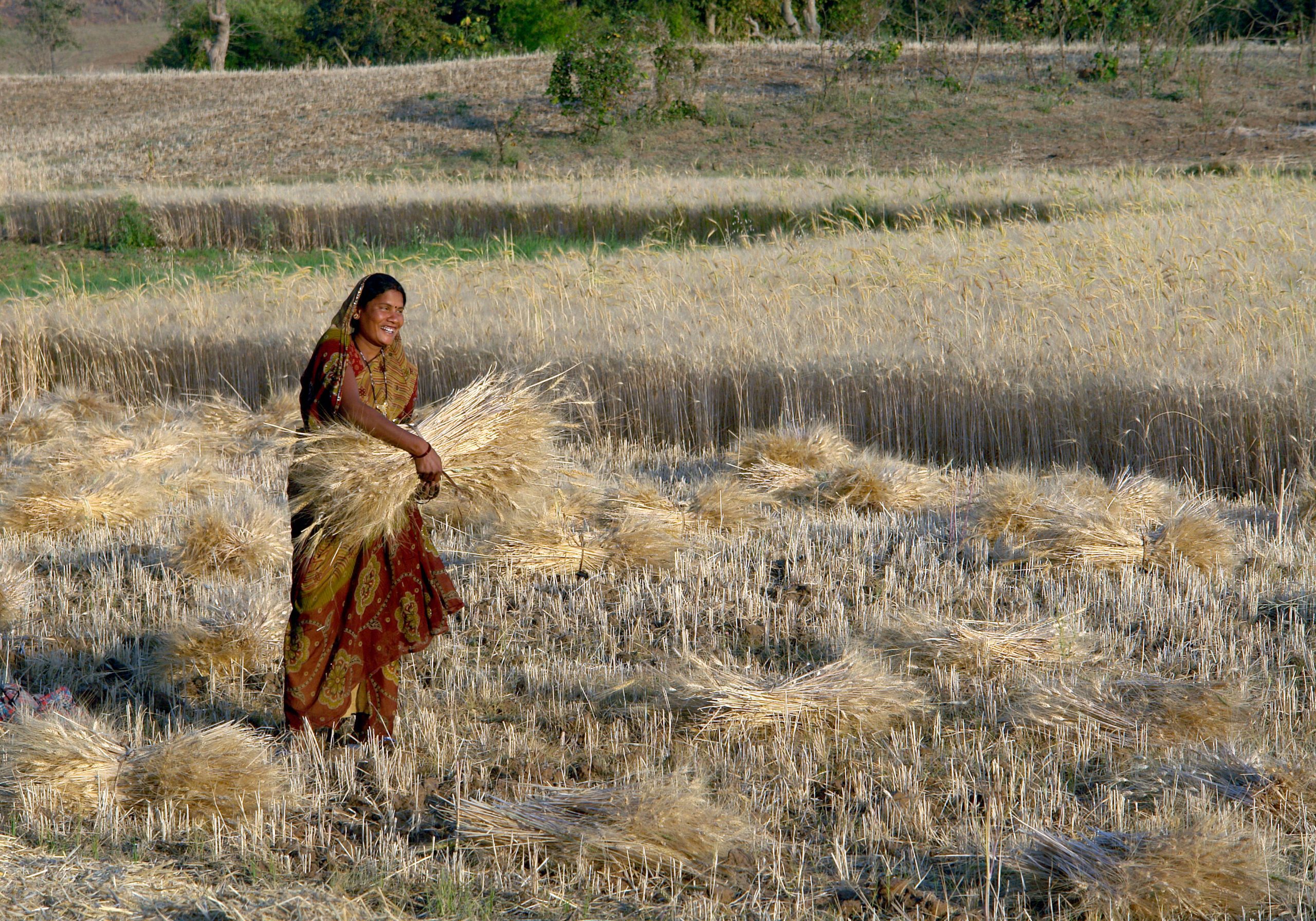
The Cabinet Committee on Economic Affairs (CCEA), chaired by Prime Minister, approved the Minimum Support Prices (MSP) for Rabi Season 2027-28 on September 30, 2026. The headline announcement is a hike in wheat MSP to ₹2,610 per quintal — a 4% increase over the previous year’s ₹2,509 per quintal. This decision directly affects tens of millions of farmers across India’s wheat belt and is among the most consequential agricultural policy announcements of the year.
| Crop | MSP (₹/qtl) |
|---|---|
| Wheat | ₹2,610 |
| Barley | ₹2,000 |
| Gram (Chana) | ₹5,740 |
| Masur (Red Lentil) | ₹6,700 |
| Rapeseed/Mustard | ₹5,950 |
| Safflower | ₹5,800 |
What Is MSP and Why Does It Matter?
The Minimum Support Price (MSP) is the price at which the government promises to buy crops from farmers, acting as a price floor to protect against market volatility. When open market prices fall below MSP, government agencies like the Food Corporation of India (FCI) and NAFED procure directly from farmers. For wheat, the Central Government through FCI is the primary procuring agency, conducting large-scale operations in Punjab, Haryana, Madhya Pradesh, and Uttar Pradesh.
The wheat MSP of ₹2,610 per quintal is 50% above the production cost (C2) of ₹1,740 per quintal, aligning with the recommendation of the Swaminathan Commission (National Commission on Farmers, 2006), which recommended MSP at C2+50%. The total government procurement payout at the new MSP is estimated at ₹90,962 crore.
One of the most contested demands of farmers’ movements is a legal guarantee of MSP — meaning a law that makes it mandatory for any buyer (private or government) to pay at least MSP. Currently, MSP is an administrative price — there is no law that compels private traders to honour it. The Supreme Court of India has taken up petitions seeking a legal guarantee of MSP, examining whether non-procurement below MSP violates Article 21 (right to a dignified livelihood) and Article 39(b) (equitable distribution of material resources). This interplay between agricultural economics and constitutional rights is a high-probability CLAT 2027 topic.
CACP: The Advisory Body Behind the Numbers
The Commission for Agricultural Costs and Prices (CACP) is a non-statutory, advisory body established in 1965 under the Ministry of Agriculture and Farmers’ Welfare. It recommends MSP for 23 crops — 7 cereals, 5 pulses, 7 oilseeds, and 4 commercial crops. CACP’s recommendations are not binding on the Cabinet; the government may announce higher MSPs for political reasons. CACP uses three cost-measurement frameworks:
- A2: Actual paid-out cost (seeds, fertilizers, irrigation, hired labour)
- A2+FL: A2 plus value of family labour
- C2: Comprehensive cost including imputed rent of owned land and capital
The government’s stated formula for MSP is C2+50%, though critics argue that the actual MSP often falls short of true C2 costs, especially for small and marginal farmers in rain-fed regions.
PM-AASHA (Pradhan Mantri Annadata Aay SanraksHan Abhiyan): Launched in 2018, this umbrella scheme provides three mechanisms — Price Support Scheme (PSS) for pulses and oilseeds, Price Deficiency Payment Scheme (PDPS) for oilseeds where the difference between MSP and market price is credited to farmers, and Pilot Private Procurement and Stockist Scheme (PPPS). The estimated government expenditure under PM-AASHA for Rabi 2027-28 is ₹90,962 crore.
Essential Commodities Act, 1955: Empowers the Central Government to control production, supply, and pricing of essential commodities including food grains and oilseeds.
Legal Framework: Agriculture and the Constitution
Agriculture falls under Entry 14 of the State List (List II, Seventh Schedule), meaning states have primary legislative authority over farming. However, several related subjects — food distribution, inter-state trade, taxation of agricultural incomes — overlap with the Concurrent and Union Lists. The three farm laws of 2020 (subsequently repealed in November 2021) sparked a constitutional debate on whether the Centre could legislate on agricultural trade under Entry 33 (Concurrent List: foodstuffs, cattle fodder, raw cotton, etc.) while encroaching on states’ agricultural domain. The ongoing MSP legal guarantee debate has renewed questions about federal balance in agricultural policy.
Shanta Kumar Committee (2015): Recommended reducing government procurement, capping FCI’s buffer stocks, privatising some procurement, and better targeting of PDS. It raised concerns about fiscal sustainability of unlimited MSP procurement.
Swaminathan Commission (2006): Recommended MSP at C2+50%, land reforms, access to credit, and water conservation. Its recommendations on MSP legal guarantee remain unimplemented, fuelling the farmers’ demand that preceded the 2020 farm law protests.
Why CLAT 2027 Students Must Know This
MSP appears frequently in CLAT GK passages — both as a standalone fact pattern and as context for comprehension passages on agricultural distress, farmers’ rights, and constitutional law. Key pointers: CACP is advisory (not statutory), MSP covers 23 crops (not just wheat), C2+50% is the Swaminathan formula, and the legal guarantee of MSP is under judicial scrutiny. The Essential Commodities Act 1955 and APMC Acts are recurring statutory references in this topic area.
Practice Quiz — 10 CLAT-Style Questions
Click an option to reveal the answer and explanation.