

CURRENT AFFAIRS | 16 MAY 2026
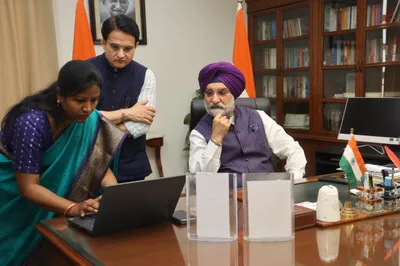
The Houselisting and Housing Census phase of Census 2027 begins in the Delhi MCD area today, Saturday, May 16, 2026, and will run till June 14. The NDMC area and Delhi Cantonment Board completed their phase between April 16 and May 15. Census 2027 is India’s first fully digital census, conducted via a Government of India mobile application by enumerators.
The Houselisting schedule asks each household 31 questions covering: building number; predominant material of floor, walls and roof; use of house (residential, commercial, mixed); condition (good, livable, dilapidated); basic family information (number of members, name/sex/caste of head, with SC/ST classification); ownership status; number of rooms; number of married couples; main cereal consumed; and a mobile number used only for Census communication. The Amenities and Assets block records source of drinking water, type of latrine, availability of internet, mobile phones, two- and four-wheelers, radio/TV/computer, and the main fuel used for cooking (LPG, PNG, firewood, biogas, etc.).
Caste enumeration — announced by the Union government in 2025 — will be added in a later phase. The toll-free number 1855 is available for Census-related queries. The official tagline is “Our Census, Our Development.” The last full Census was held in 2011; the 2021 round was deferred due to COVID-19.
Constitutional & Statutory Framework
The Census is conducted under the Census Act, 1948, with Entry 69 of the Union List (Seventh Schedule) giving Parliament exclusive legislative competence over “Census.” The constitutional consequences of every Census run through three articles: Article 82 mandates readjustment of Lok Sabha seats after each Census by a Delimitation Commission; Article 170 performs the same function for state Legislative Assemblies; and Articles 330 and 332 reserve seats for Scheduled Castes and Scheduled Tribes in the Lok Sabha and State Assemblies respectively — both proportional to population, hence Census-dependent. The 84th Amendment, 2001 froze seat allocation based on the 1971 Census “till the first census taken after the year 2026” — meaning Census 2027 is the constitutional trigger that will unlock fresh delimitation. The Office of the Registrar General and Census Commissioner of India (RGI) functions under the Ministry of Home Affairs.
Why This Matters for CLAT
Census 2027 is the single biggest constitutional event of the next two years — and CLAT 2027 will treat it that way. Expect comprehension and GK questions on: (1) the Census Act 1948 framework and statutory penalty for refusing to give information; (2) Articles 82, 170, 330, 332 and how they interlock; (3) the 84th Amendment’s delimitation freeze and the women’s reservation under the 106th Amendment (which is conditional on delimitation post the first census after 2026); (4) the digital-app methodology and data-protection implications under the Digital Personal Data Protection Act, 2023; and (5) the SC/ST reservation jurisprudence flowing from Census data. Also revise the difference between the Delimitation Commission (created by Delimitation Act) and the Election Commission (Article 324).
Key Facts at a Glance
| Census number | 16th India Census; 8th since Independence |
| Statutory basis | Census Act, 1948; Entry 69, Union List |
| Methodology | First fully digital — Census mobile app |
| Two phases | Houselisting (now) + Population enumeration (2027) |
| Delhi MCD phase | May 16 – June 14, 2026 |
| Caste enumeration | Added in later phase (first since 1931) |
| Helpline | Toll-free 1855 |
Mnemonic — CENSUS
Census Act 1948 + Entry 69 Union List = statutory base. Eighty-four (84th Amendment 2001) froze delimitation till first census after 2026. Now digital — first time via mobile app. SC/ST seats under Articles 330 & 332 depend on this data. Under MHA — RGI is the implementing office. Schedule of the schedule has 31 houselisting questions; caste enumeration follows.
Practice Quiz — 10 CLAT-Style Questions
Click an option to reveal the answer and explanation.