CURRENT AFFAIRS | MAY 9, 2026
📰 What Happened
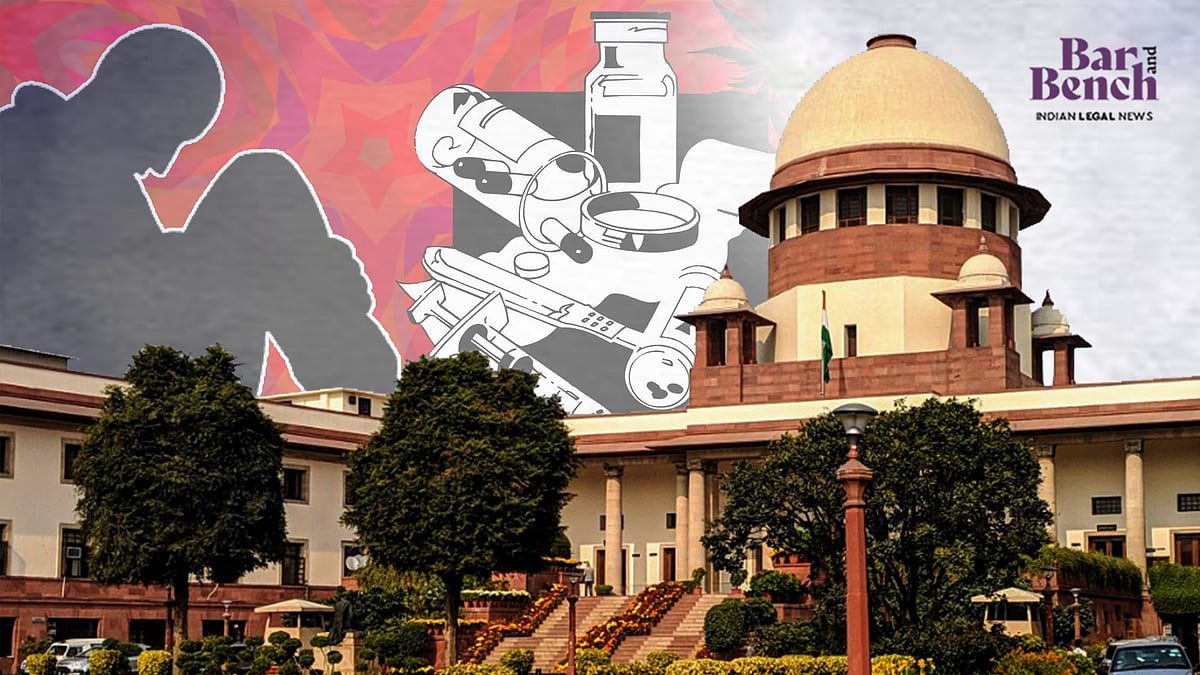
CJI Surya Kant, hearing a suo motu matter on Friday, slammed Punjab’s failure to control drug trafficking and proposed a Central agency to monitor drug-related cases on a pan-India basis. The Bench warned that ‘small peddlers’ are caught for publicity while ‘bigger sharks’ walk free, and pressed for fast-track disposal of trials under special statutes — UAPA 1967 and NDPS Act 1985. Justice Joymalya Bagchi noted complaints had piled up in a wedding-ceremony food-poisoning case in Rajasthan that left 100 ill. The Court invoked its Article 142 plenary jurisdiction to direct All HCs to assist.
🎯 Why It Matters for CLAT 2027
Punjab’s drug crisis crosses State lines, involves cross-border syndicates and demands an investigative architecture similar to NIA. Article 47 (DPSP) directs the State to bring about prohibition of intoxicating drugs except for medicinal purposes — the SC’s intervention reads Article 47 alongside Article 21 (right to life with dignity, including the right of victims to a drug-free environment). The case will likely reshape coordination between Punjab Police, NCB, BSF and State excise departments and revive the debate on whether NDPS Section 37 (twin-condition bail bar) and UAPA Section 43D(5) (no bail unless prima facie not guilty) should apply to organised peddlers.
CLAT Tip: Watch for Article 47 DPSP + Article 21 fusion arguments — examiners love asking how a ‘non-justiciable’ DPSP becomes operational through Art. 21 jurisprudence.
📚 Key Concepts to Remember
- UAPA 1967 — declares ‘unlawful associations’; Section 43D(5) imposes the toughest bail bar in Indian law (court must be satisfied accusations are prima facie not true).
- NDPS Act 1985 — Section 37 twin conditions for bail (commercial quantity); Section 36A special courts; Section 67 confessions to NDPS officers held inadmissible in Tofan Singh v. State of TN (2020).
- Article 47 DPSP — duty of State to prohibit intoxicating drugs except for medicinal use.
- Article 142 — Supreme Court’s plenary power to do ‘complete justice’; used here to direct pan-India case-monitoring.
- Pan-India parallels: NIA Act 2008 (terror), ED under PMLA 2002 (proceeds of crime); proposed central agency would slot between these.
⚖️ Legal Angle & Precedents
Tofan Singh v. State of TN (2020) bars NDPS Section 67 confessions; Union of India v. K.A. Najeeb (2021) read down UAPA bail bar where trial is delayed; State of Kerala v. Rajesh (2020) reaffirmed NDPS Section 37 strictness.
Mnemonic: Sharks-not-Sardines — UAPA + NDPS + Article 142 = pan-India drug monitoring.
🧠 Test Yourself — 10 MCQs
Take the quiz below to lock in today’s CLAT-grade current affairs coverage.
Practice Quiz — 10 CLAT-Style Questions
Click an option to reveal the answer and explanation.