
CURRENT AFFAIRS | 16 MAY 2026
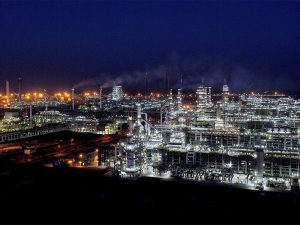
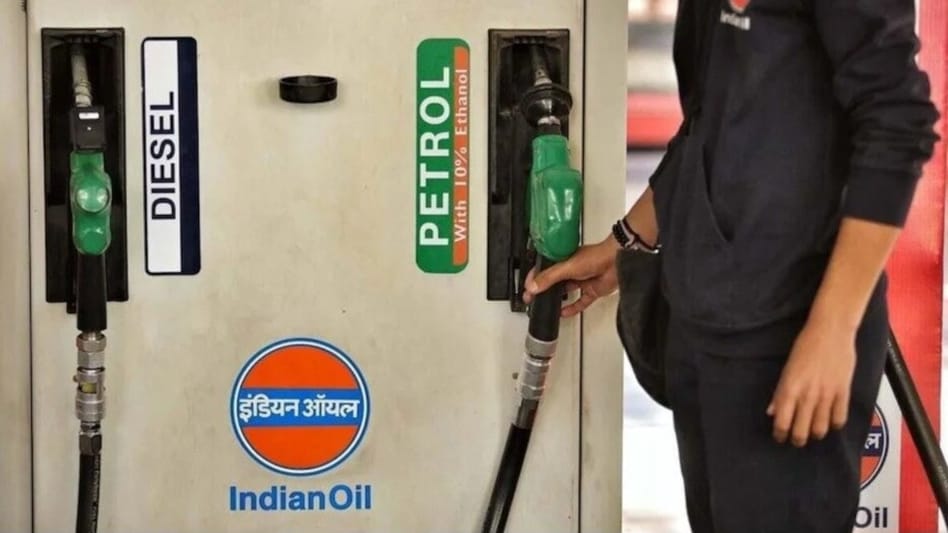
India’s three public sector Oil Marketing Companies — Indian Oil Corporation Limited (IOCL), Bharat Petroleum Corporation Limited (BPCL) and Hindustan Petroleum Corporation Limited (HPCL) — hiked retail petrol and diesel prices by Rs 3 per litre on Friday, May 15, 2026. This is the first retail price hike in over four years. Petrol now retails at Rs 97.77/L in Delhi and diesel at Rs 90.67/L in Delhi. Compressed Natural Gas (CNG) was also raised by Rs 2/kg in Delhi and Mumbai.
The hike comes after the OMCs absorbed losses of approximately Rs 14/L on petrol and Rs 42/L on diesel through the months following the February 28 West Asia aggression, when global crude briefly surged 50% to roughly $114/barrel after a temporary closure of the Strait of Hormuz. Brent has since settled near $106.18/barrel, but combined FY25-26 losses for the three PSU OMCs are projected at Rs 30,000 crore, per a Crisil-DBS Bank note authored by economist Radhika Rao. Industry sources expect further calibrated hikes in the coming days.
Petroleum Minister Hardeep Singh Puri held a review meeting on Tuesday with the chiefs of all three PSU OMCs and four senior officers. LoP Rahul Gandhi termed the hike a consequence of “the PM Modi government’s mistakes for which the public will pay the price.”
Constitutional & Statutory Framework
Petroleum pricing operates at the intersection of multiple constitutional provisions. Entry 53 of the Union List (Seventh Schedule) gives Parliament exclusive legislative competence over “regulation and development of oilfields and mineral oil resources; petroleum and petroleum products.” The Petroleum and Natural Gas Regulatory Board Act, 2006 set up the PNGRB to regulate the downstream sector — refining, processing, transportation, distribution and marketing. Crucially, petroleum crude, high-speed diesel, motor spirit (petrol), natural gas and aviation turbine fuel remain outside GST — they can be brought in only on the recommendation of the GST Council under Article 279A. This means states retain VAT/sales-tax power on these fuels, and the Centre charges excise + cess, giving rise to the fiscal-federalism tension that has marked every fuel price debate since GST rollout.
Why This Matters for CLAT
CLAT current affairs and GK frequently tests fuel pricing through two lenses: (1) Constitutional — Seventh Schedule entries, GST Council architecture (Article 279A), petroleum’s special exclusion from GST, and the Centre-State revenue split; (2) Regulatory — the PNGRB Act 2006, the role of the Petroleum Planning and Analysis Cell (PPAC), and the shift from APM (Administered Price Mechanism, dismantled 2010) to daily dynamic pricing. Expect comprehension passages on OPEC+, the Strait of Hormuz chokepoint, and the difference between WPI (Office of Economic Adviser, DPIIT) and CPI (NSO, MoSPI) inflation. Also revise: under-recoveries, oil bonds, and the legal basis for fuel subsidies under the Essential Commodities Act, 1955.
Key Facts at a Glance
| Hike | Rs 3/L on petrol & diesel; Rs 2/kg on CNG (Delhi, Mumbai) |
| New Delhi prices | Petrol Rs 97.77/L; Diesel Rs 90.67/L |
| OMCs affected | IOCL, BPCL, HPCL |
| Trigger | Strait of Hormuz closure post Feb 28 escalation; Brent at $106.18/bbl |
| Per-litre under-recovery | ~Rs 14 on petrol, ~Rs 42 on diesel before hike |
| FY25-26 OMC losses (projected) | Rs 30,000 cr (Crisil-DBS estimate) |
| Regulator | PNGRB under the PNGRB Act, 2006 |
Mnemonic — PETROL
PNGRB Act 2006 is the regulator. Entry 53 Union List gives the Centre legislative power. Three OMCs hiked: IOCL, BPCL, HPCL. Rupee 3 per litre is the hike size. OPEC+ supply cuts plus Hormuz disruption drove crude. List I Entry 53 + Article 279A keep petroleum outside GST until the GST Council recommends inclusion.
Practice Quiz — 10 CLAT-Style Questions
Click an option to reveal the answer and explanation.