CURRENT AFFAIRS | MAY 14, 2026
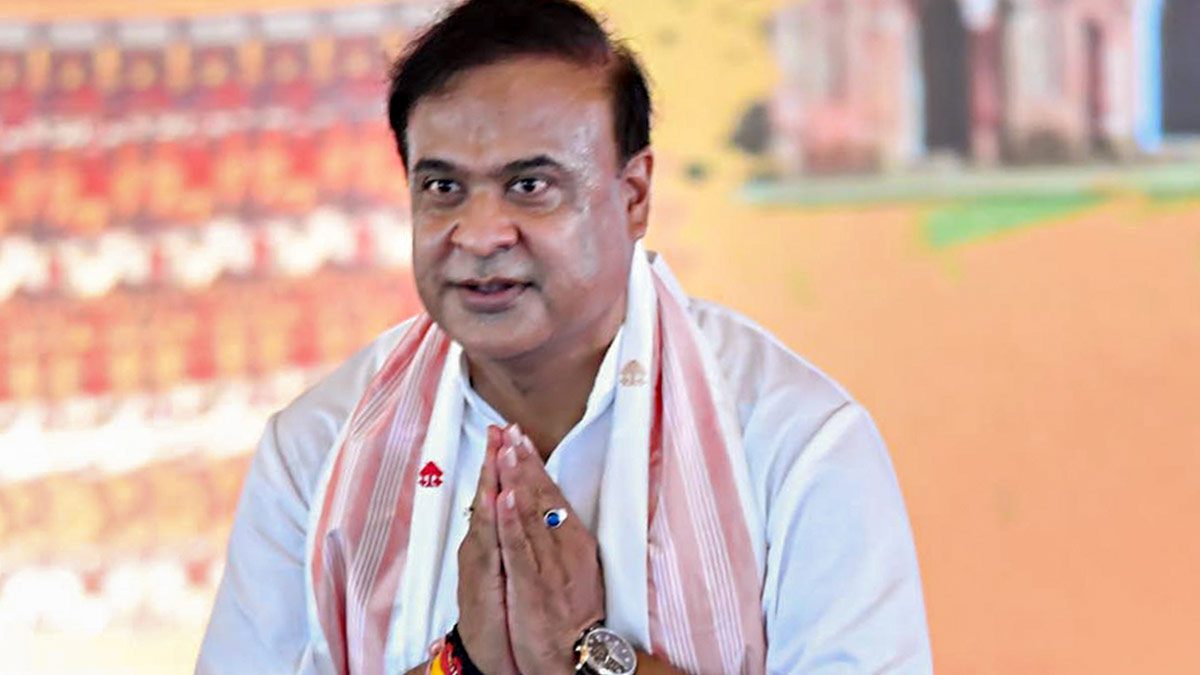
A day after being sworn in for his second term as Chief Minister, Himanta Biswa Sarma’s first Cabinet on May 13 cleared a draft Uniform Civil Code (UCC) Bill, to be tabled in the newly elected Assam Assembly on May 26 — the last working day of the session. The move, executed at lightning pace within 48 hours of the new government taking charge, makes Assam the second Indian state — after Uttarakhand (March 2024) — to formally legislate a state UCC. Crucially, tribal communities and areas governed by the Sixth Schedule will be entirely excluded from the Bill’s ambit.
Article 44 (Part IV, DPSP) directs the State to endeavour to secure for citizens a Uniform Civil Code throughout the territory of India. Although a Directive Principle and not directly enforceable, Article 44 has been invoked by the Supreme Court repeatedly — from Shah Bano (1985) through Sarla Mudgal (1995) to Shayara Bano (2017). Marriage, divorce, succession, adoption etc. sit on Entry 5, Concurrent List (Seventh Schedule), permitting both Parliament and state legislatures to enact laws. The Sixth Schedule (Articles 244(2) and 275(1)) sets up Autonomous District/Regional Councils with their own customary-law jurisdiction in Assam, Meghalaya, Tripura and Mizoram.
The Assam Bill is modelled on Uttarakhand’s UCC Act, 2024 and is reported to cover four core subjects: a uniform minimum age of marriage, prohibition of polygamy, equal inheritance rights for daughters in parental property, and a registration regime for live-in relationships. CM Sarma told reporters the draft is “almost in sync with Gujarat, Uttarakhand and Goa”, but adds an Assam-specific safeguard — total exemption for both hill and plain tribes, plus customs, rituals and traditions of indigenous Assamese communities. This is significant: the Sixth Schedule autonomous councils of Bodoland Territorial Region, Karbi Anglong, and Dima Hasao are constitutionally insulated from the Bill.
This is prime CLAT 2027 polity territory — Article 44 vs Articles 25-26, Concurrent List Entry 5, Sixth Schedule autonomy, and the Shah Bano / Sarla Mudgal / Shayara Bano arc. Expect principle-and-fact passages on whether a state UCC clashes with personal laws (Hindu Marriage Act 1955, Muslim Personal Law (Shariat) Application Act 1937, Special Marriage Act 1954) and whether Sixth Schedule exclusion is a constitutional necessity or a political choice.
The political timing is sharp: BJP’s 2026 Assam manifesto had bracketed UCC together with Article 371 protections — implicitly promising tribal autonomy would survive UCC implementation. By front-loading the Bill on Day 1 of his second term, Sarma is delivering on that promise even before the full Council of Ministers is expanded. The Bill will follow a fast-track legislative path: introduction, debate and passage all compressed into the May 16-26 session window, with newly elected MLAs taking oath through this period. Once passed, the Centre’s reserved-Bill assent procedure under Article 200 will determine the timeline to enforcement.
| Cabinet approval | May 13, 2026 |
| To be tabled | May 26, 2026 (Assembly) |
| CM | Himanta Biswa Sarma (2nd term, sworn in May 12) |
| Exclusion | All Sixth Schedule tribal areas (BTR, Karbi Anglong, Dima Hasao) |
| Precedent | Uttarakhand UCC Act, 2024 (first state UCC) |
Marriage age uniform · Article 44 DPSP base · Yes to daughters’ equal share · 2nd state UCC (after Uttarakhand) · 6th Schedule tribes excluded.
Practice Quiz — 10 CLAT-Style Questions
Click an option to reveal the answer and explanation.