CURRENT AFFAIRS | JUNE 4, 2026
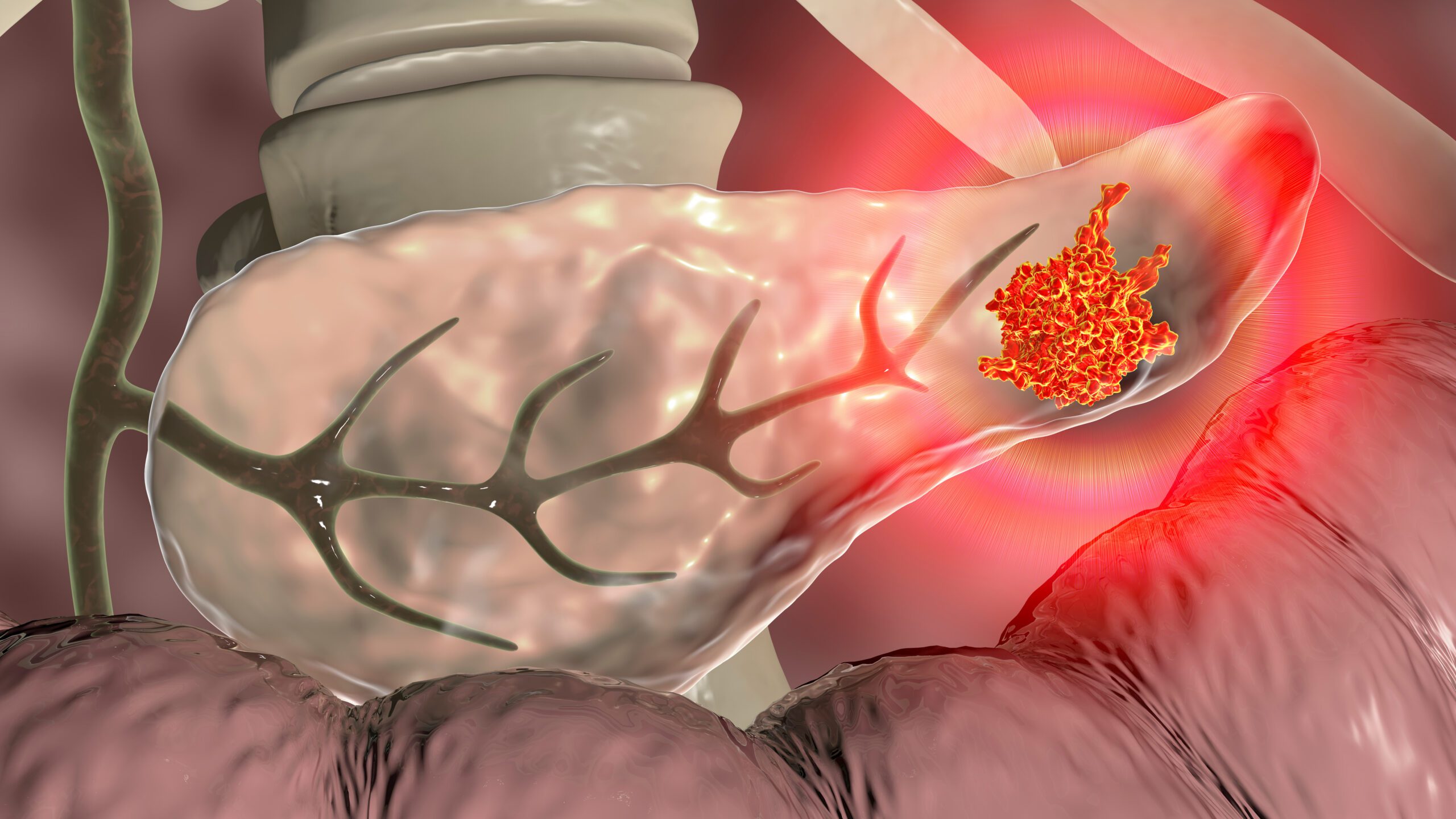
A once-daily pill, daraxonrasib, nearly doubled survival in patients with advanced pancreatic cancer in a large international trial unveiled at ASCO 2026. Targeting the KRAS gene — mutated in ~90% of pancreatic cancers — it is the first pan-RAS inhibitor, opening a precision-oncology era for the deadliest of common cancers. The breakthrough also re-opens India’s familiar patents-versus-affordability debate.
Constitutional & Legal Framework
- Drugs & Cosmetics Act, 1940 (with 1945 Rules) + DCGI approval — required for marketing in India.
- Patents Act 1970, Section 84 — compulsory licence three years after grant; invoked in the Bayer Nexavar case (Natco, 2012).
- Section 3(d), Patents Act — bars “evergreening”; upheld in Novartis AG v UoI (2013) Glivec case.
- TRIPS Article 31 — international-law basis for compulsory licensing, reinforced by the Doha Declaration 2001.
- Right to Health under Article 21 — Vincent Panikurlangara v UoI (1987) and Paschim Banga Khet Mazdoor Samity v WB (1996).
- PM-JAY (Ayushman Bharat) — Rs 5 lakh annual cover including cancer care.
Why This Matters For CLAT 2027
- Section 84 compulsory licensing and the Novartis Section 3(d) ruling are perennial CLAT Legal Reasoning passages.
- The TRIPS-vs-public-health tension fits the right-to-health Article-21 thread directly.
- The numerical detail (~90% KRAS, ~20% all cancers carry RAS) makes for clean GK comprehension.
- Bayer v Natco compulsory-licence principles can be applied to a hypothetical daraxonrasib licence — classic Legal Aptitude application question.
Key Facts At A Glance
| Trial unveiling | ASCO 2026 Annual Meeting |
| Target gene | KRAS (~90% of pancreatic cancers) |
| Drug class | First pan-RAS inhibitor |
| Survival shift | 6 mo (1990s) → 9-12 mo → near-doubled |
| Indian incidence | ~23,000 new cases/yr (Tata data) |
| 5-yr survival | ~13% |
| Domestic statute | Drugs & Cosmetics Act 1940 + DCGI |
| Compulsory licence | Section 84, Patents Act 1970 |
| Evergreening bar | Section 3(d) — Novartis (2013) |
| TRIPS hook | Article 31 + Doha Declaration 2001 |
| Public-health scheme | PM-JAY — Rs 5 lakh cover |
Memory Trick / Mnemonic
KRAS → KRAS gene driver (90%) · RAS inhibitor (pan-) · ASCO 2026 unveiling · Survival doubled (6 → 12+ months).
Practice Quiz — 10 CLAT-Style Questions
Click an option to reveal the answer and explanation.
Quick answers
Daraxonrasib is designed to inhibit which family of genes mutated in ~90% of pancreatic cancers?
KRAS. KRAS is the most-mutated cancer-driver gene; ~90% of pancreatic adenocarcinomas carry a KRAS mutation. Daraxonrasib is the first pan-RAS inhibitor.
At which annual international conference were the daraxonrasib trial results presented?
ASCO 2026. Trial results were unveiled at the American Society of Clinical Oncology (ASCO) 2026 Annual Meeting.
Under which section of the Indian Patents Act 1970 can a compulsory licence be granted three years after grant of patent?
Section 84. Section 84 of the Patents Act 1970 permits compulsory licensing 3 years after grant if reasonable requirements aren't met, the patented invention isn't reasonably affordable, or isn't worked in India — invoked in the Bayer Nexavar case (2012).
In Novartis AG v Union of India (2013), which provision of the Patents Act was upheld to bar 'evergreening' of the cancer drug Glivec?
Section 3(d). The Supreme Court in Novartis (2013) upheld Section 3(d) which bars patenting new forms of known substances unless they show enhanced therapeutic efficacy.
Under TRIPS, which Article expressly permits compulsory licensing on grounds of national emergency or public non-commercial use?
Article 31. TRIPS Article 31 allows WTO members to issue compulsory licences subject to procedural conditions, especially in national emergencies (the 'Doha Declaration' clarified this for public health).
Which Indian statute is the primary regulator of drug import, manufacture and sale, requiring DCGI approval?
Drugs & Cosmetics Act 1940. The Drugs & Cosmetics Act 1940 (with 1945 Rules) governs the regulation of drugs in India; the Drug Controller General of India (DCGI) is the licensing authority for new drugs.