CURRENT AFFAIRS | 20 MAY 2026
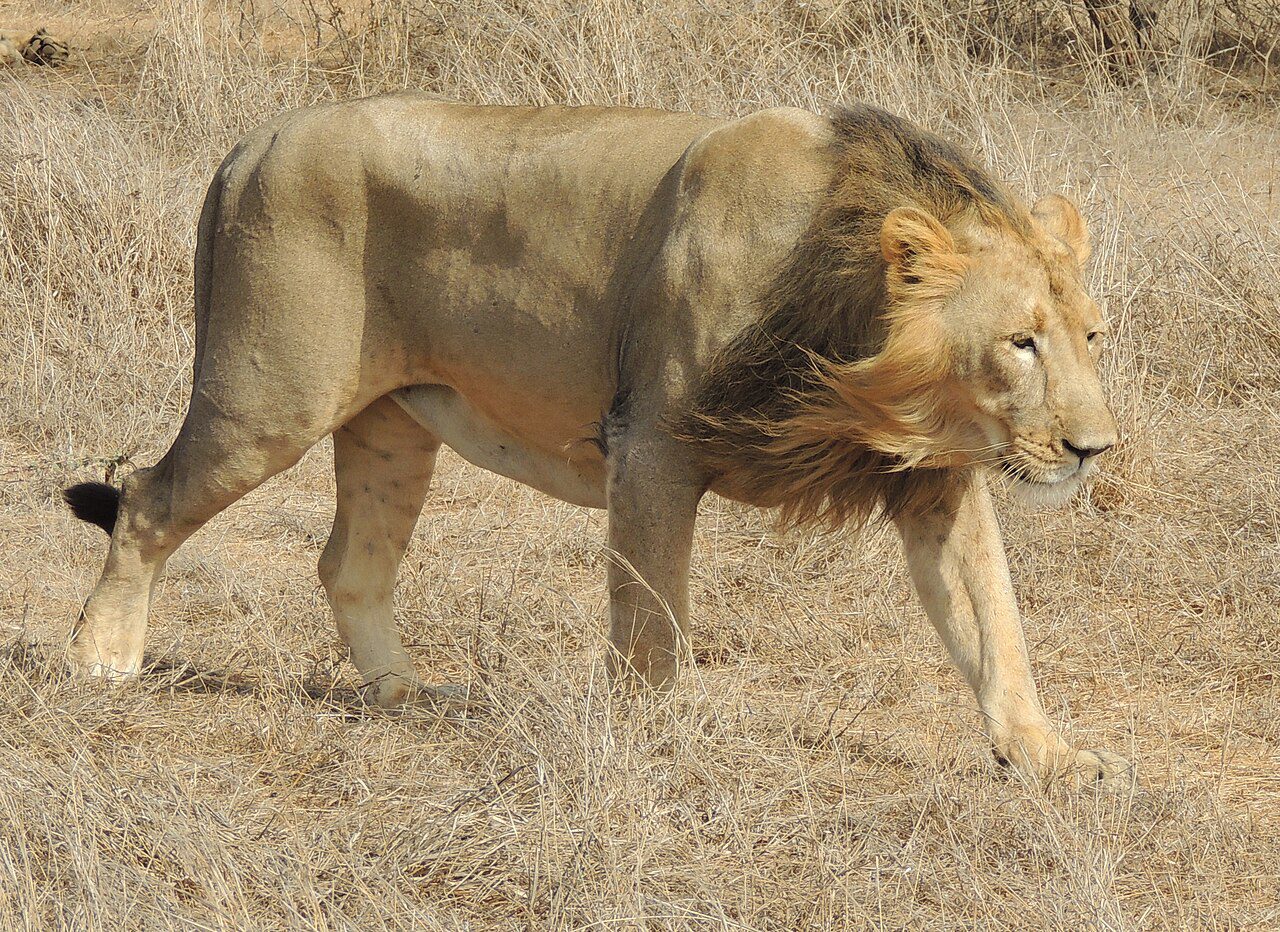
Union Environment Minister Bhupender Yadav has confirmed that the Centre is reconsidering its translocation strategy for the Asiatic Lion — saying a “separate free-ranging population is under consideration” — even as Gujarat continues to refuse handing lions over to Kuno National Park in Madhya Pradesh, defying the Supreme Court’s April 2013 order. The 2025 census put the Greater Gir lion population at 891 individuals, up roughly 32% from 674 in 2020. India is set to host the inaugural International Big Cat Alliance (IBCA) Summit in Delhi next month — a “Delhi Declaration” from 90+ countries is expected.
Background — The 13-Year Impasse
In April 2013, the Supreme Court (in Centre for Environmental Law, WWF-India v Union of India) ordered the translocation of some Asiatic lions from Gir to Kuno National Park, Madhya Pradesh, within six months. The Court held that a single isolated population was vulnerable to epidemics (Canine Distemper Virus had killed 23 Gir lions in 2018) and habitat catastrophe. Gujarat has consistently resisted — citing local pride, habitat unfamiliarity in Kuno, and the parallel Project Cheetah introduction. Instead Gujarat is developing Barda Wildlife Sanctuary (now 17 lions) as a “second home” — but at ~100 km from Gir, biologists argue Barda is too close to count as a geographically separate population. Project Lion (₹2,927.71 cr, launched Aug 2020) and the Centre’s overall conservation framework now have to navigate this Centre-State stand-off.
Why It Matters for CLAT
This is rich material for Environmental Law + Constitutional Law + Current Affairs. Test-ready elements: (i) Wildlife (Protection) Act 1972 — Schedule I species, sanctuary vs national park vs tiger reserve hierarchy; (ii) Art 48A (DPSP) and Art 51A(g) (Fundamental Duty) — the dual obligation on State and citizen; (iii) Forests in the Concurrent List (moved by 42nd Amendment, 1976) — so both Centre and States legislate, but State implementation governs; (iv) Project Lion vs Project Cheetah vs Project Tiger; (v) the IBCA — India-headquartered, launched April 2023, covers 7 big cats (tiger, lion, leopard, snow leopard, jaguar, cheetah, puma); (vi) the role of the Supreme Court in environmental governance via the “continuing mandamus” doctrine.
Key Facts Table
| Element | Detail |
|---|---|
| Lion population (2025) | 891 (up from 674 in 2020) |
| SC order | CEL v UoI, April 2013 — translocate to Kuno |
| Kuno NP | Sheopur district, Madhya Pradesh |
| Barda WLS | 17 lions (Gujarat’s “second home”) |
| Project Lion | ₹2,927.71 cr, launched Aug 2020 |
| IBCA | Launched April 9, 2023; HQ in Delhi; 7 big cats |
| Key Articles | Art 48A · Art 51A(g) · WPA 1972 Sch I |
Mnemonic — “GBK 891”
Gir (only wild population) → Barda (second home, 17 lions, too-close) → Kuno (SC-ordered destination, still empty of lions). Census 2025 = 891. Project Lion = 2020 (PM Modi I-Day). IBCA = 2023 (April 9 — 50 yrs of Project Tiger).
Practice Quiz — 10 CLAT-Style Questions
Click an option to reveal the answer and explanation.