
CURRENT AFFAIRS | 16 JUNE 2026
India’s first indigenously developed quadrivalent HPV vaccine, Cervavac — made by the Serum Institute of India with the Department of Biotechnology — is likely to enter the Universal Immunisation Programme (UIP) after 2027, once trials confirm the efficacy of its single dose against cervical cancer.
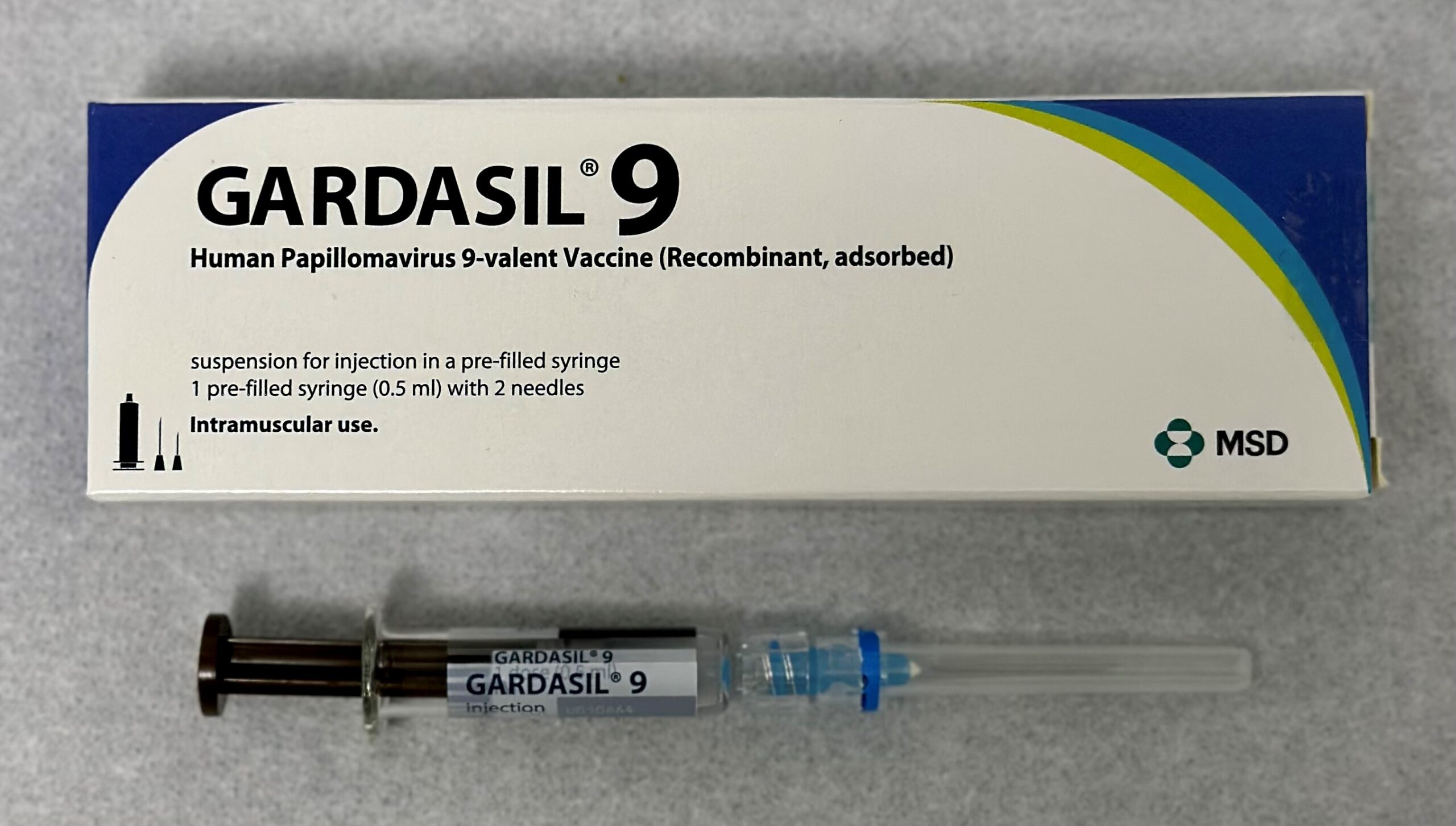
The National Technical Advisory Group on Immunisation (NTAGI) has recommended its inclusion. Earlier this year, girls aged 14 were targeted for a single dose; about 1.15 crore girls turn 14 annually. The single-dose schedule will be benchmarked against the two-dose regimen and against MSD’s Gardasil.
The stakes are high: persistent HPV (Human Papillomavirus) infection causes about 85% of cervical cancers — the second-most-common cancer among Indian women, responsible for roughly 75,000 deaths a year. A low-cost indigenous vaccine could transform prevention at population scale.
Cervavac marks a step toward Aatmanirbharta in healthcare, reducing reliance on costlier imported HPV vaccines and aligning India’s immunisation strategy with WHO’s cervical-cancer elimination goals.
Scheme / Policy Framework
The Universal Immunisation Programme (UIP), launched in 1985, provides free vaccines against major childhood diseases; Mission Indradhanush (2014) targets full immunisation coverage. Vaccine inclusion is advised by the NTAGI, with ICMR support. Constitutionally, public-health immunisation advances Article 47 (a Directive Principle directing the State to raise nutrition and public health) and supports the right to health read into Article 21. The Serum Institute of India, Pune, is the world’s largest vaccine maker by volume.
CLAT Angle
Expect health-scheme questions on Cervavac, the UIP (1985), and the HPV-cervical cancer link. Examiners pair the Serum Institute (‘world’s largest vaccine maker by volume’) and NTAGI with static facts on Mission Indradhanush. ‘Quadrivalent = 4 strains’ and the ‘second-most-common cancer among Indian women’ are high-recall fill-in-the-blank fodder.
Key Facts
| Vaccine | Cervavac (HPV, quadrivalent) |
| Maker | Serum Institute of India + DBT |
| Target programme | UIP (likely after 2027) |
| Recommended by | NTAGI |
| Target group | Girls aged 14, single dose |
| Disease | Cervical cancer (~85% HPV-linked) |
Mnemonic / Memory Hook
“SERUM’s CERVA shields 14-year-olds via UIP.” SERUM = Serum Institute; CERVA = Cervavac vs cervical cancer; 14 = target age; UIP = the programme it joins. Remember “Quad = 4 strains (16, 18, 6, 11)” and NTAGI as the recommending body.
Why this matters for CLAT 2027: Public-health schemes, indigenous vaccines and the UIP are reliable CLAT GK and current-affairs themes, often tied to women’s health and DPSP Article 47. Master Cervavac, the Serum Institute, NTAGI and the 1985 UIP to confidently answer CLAT 2027 questions on health policy and Aatmanirbhar Bharat in healthcare.
Practice Quiz — 10 CLAT-Style Questions
Click an option to reveal the answer and explanation.