CURRENT AFFAIRS | 08 OCTOBER 2026
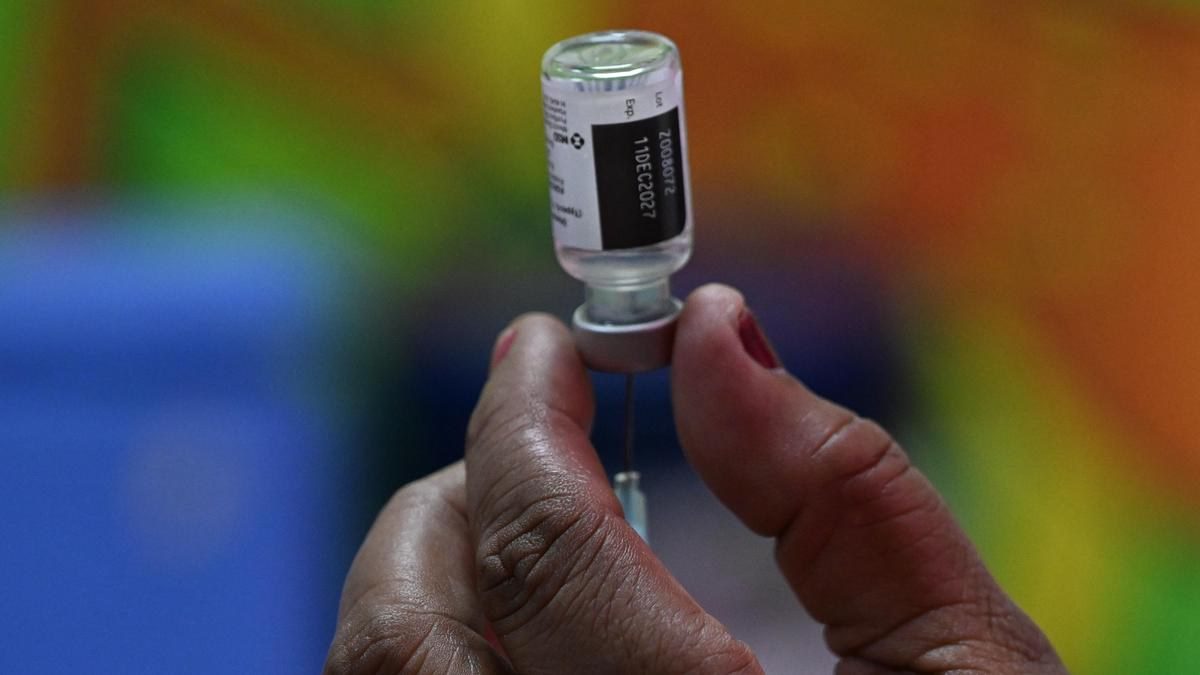
Cervavac, the recombinant quadrivalent Human Papillomavirus (qHPV) vaccine made by the Serum Institute of India (SII), has received World Health Organization (WHO) prequalification. The Serum Institute announced the milestone on Monday, 5 October 2026, and The Hindu reported it on Wednesday, 7 October 2026. The WHO’s own prequalification database lists Cervavac with the status “Current” and an effective date of 25 September 2026. The vaccine targets HPV types 6, 11, 16 and 18 and is indicated for girls and boys aged 9 through 26 years.
Why does a listing on a WHO database matter so much? Because, as the Serum Institute pointed out, inclusion on the WHO list of prequalified vaccines allows Cervavac to be procured by United Nations agencies. In practice, the big buyers of vaccines for low- and middle-income countries — UNICEF’s supply operations and programmes financed through Gavi, the Vaccine Alliance — buy only WHO-prequalified products. A vaccine that was so far a domestic product, approved by India’s drug regulator, is now eligible for global public-health procurement. According to the company, this is the 32nd WHO prequalification for products and biologicals received by the Serum Institute.
What exactly was approved
According to The Hindu’s report of the company statement, Cervavac was developed in collaboration with the Department of Biotechnology (DBT) and the Biotechnology Industry Research Assistance Council (BIRAC), along with the WHO–International Agency for Research on Cancer (IARC) and the Gates Foundation. It has been approved for use in India by the Drugs Controller General of India (DCGI); the WHO record names the Central Drugs Standard Control Organization (CDSCO) as the responsible national regulatory authority. SII’s chief executive Adar Poonawalla called the prequalification “an important step in strengthening the global response to HPV”.
The approved uses are wide. The vaccine is administered to prevent diseases caused by the four HPV types it covers: cervical, vulvar, vaginal and anal cancers in girls and young women, anal cancer in boys and young men, and genital warts in the indicated population. It is given intramuscularly and comes in 1-dose vials of 0.5 ml and 2-dose vials of 1.0 ml. The WHO product page adds logistics details that matter for poor-country supply chains: a shelf life of 36 months, storage at 2–8°C, and a Type 30 vaccine vial monitor — the small heat-sensitive label that changes colour if the vial has been exposed to too much heat.
Background & Framework
HPV and cervical cancer. Human papillomavirus is a very common sexually transmitted virus. Persistent infection with “high-risk” types — above all types 16 and 18 — is the cause of almost all cervical cancers, while types 6 and 11 cause most genital warts. That is why a quadrivalent vaccine covers 6, 11, 16 and 18. Other HPV vaccines in the world are bivalent (16, 18) or nine-valent. Vaccination works best before exposure to the virus, which is why HPV programmes target children aged roughly 9 to 14.
WHO prequalification. Prequalification is the WHO’s assessment of the quality, safety and efficacy of a vaccine, medicine or diagnostic, and of whether it suits the conditions of the countries that will use it (packaging, cold chain, presentation). It is not a licence — licensing remains with the national regulator (here, CDSCO/DCGI). But it is the gateway to UN procurement, and many national regulators rely on it.
The elimination strategy. In 2020 the WHO launched a Global Strategy to Accelerate the Elimination of Cervical Cancer, built on 90–70–90 targets for 2030: 90% of girls fully vaccinated against HPV by age 15; 70% of women screened with a high-performance test by 35 and again by 45; and 90% of women with pre-cancer or invasive cancer receiving treatment. In 2022 the WHO’s advisory group also said that a single dose of HPV vaccine can give protection comparable to two doses — a change that makes affordable supply even more important.
Why the “indigenous” tag matters
Cervavac is described as India’s first indigenously developed qHPV vaccine. Before it arrived, HPV vaccines available in India were imported products of multinational manufacturers, and their price was a major barrier to any mass public programme. A domestic product developed with public research support (DBT and BIRAC) changes two things at once: it can make a national HPV immunisation drive more affordable, and — now that it is prequalified — it adds a new supplier to a global market that has repeatedly faced shortages of HPV vaccine.
The story also fits a larger pattern. Indian manufacturers, led by the Serum Institute, already supply a very large share of the vaccines bought by UN agencies. Each new prequalification extends India’s role as a supplier of affordable medicines, a theme that appears often in discussions of health diplomacy. For an exam, the chain to remember is simple: DCGI approval (domestic use) → WHO prequalification (global eligibility) → UNICEF/Gavi procurement (scale).
Analysis: what changes, and what does not
Prequalification does not, by itself, put a single dose into a child’s arm. Countries still have to decide to introduce HPV vaccination, fund it (alone or with Gavi support), plan delivery through schools or health centres, and build public trust. Cervical cancer prevention also depends on the two other legs of the WHO strategy — screening and treatment — which a vaccine cannot replace. Women who are already adults today will benefit from screening far more than from a vaccine designed for children.
What the listing does change is supply and price competition. More prequalified manufacturers generally mean more reliable supply and lower prices for public buyers. For India, it also signals that a vaccine developed through a public–private partnership has met an international quality benchmark — a useful precedent for the country’s biotechnology and research ecosystem.
The CLAT Angle
GK questions will test the pairings: Cervavac — Serum Institute of India; quadrivalent — types 6, 11, 16, 18; age 9–26; developed with DBT and BIRAC; WHO prequalification allows procurement by UN agencies; WHO’s 90–70–90 targets for 2030. Expect a statement-based question that mixes up “licensing” and “prequalification” — remember that the national regulator licenses, the WHO prequalifies.
Legal reasoning passages can use the story to discuss the right to health under Article 21, the State’s duty to improve public health under Article 47 (a Directive Principle), and the regulation of drugs under the Drugs and Cosmetics Act, 1940. A passage might ask whether a government may make a vaccine compulsory, or how informed consent applies to minors — reason only from the principle the passage supplies.
Critical reasoning: “Because the vaccine is now prequalified, cervical cancer cases will fall sharply” — an assumption-spotting question would note the missing links (actual introduction, coverage, the time lag before vaccinated children reach the age of risk, and screening).
Key Facts
- Vaccine: Cervavac, a recombinant quadrivalent HPV (qHPV) vaccine.
- Maker: Serum Institute of India (CEO Adar Poonawalla).
- Announced: 5 October 2026 by SII; WHO listing effective 25 September 2026.
- HPV types covered: 6, 11, 16 and 18.
- Age group: girls and boys aged 9 through 26 years.
- Developed with: DBT, BIRAC, WHO–IARC and the Gates Foundation.
- Significance: WHO prequalification allows procurement by UN agencies.
- SII count: its 32nd WHO prequalification for products/biologicals.
- Indian approval: DCGI; national regulatory authority on WHO record is CDSCO.
- Presentation: intramuscular; 1-dose (0.5 ml) and 2-dose (1.0 ml) vials; shelf life 36 months at 2–8°C.
- WHO elimination targets (2030): 90% vaccinated by 15, 70% screened, 90% treated.
Memory Hook / Mnemonic
“6-11-16-18, 9 to 26, 32nd stamp.” Four types (6, 11, 16, 18), one age band (9 to 26), and SII’s 32nd WHO prequalification. For the strategy, think of a cricket score: 90–70–90 by 2030 — Vaccinate, Screen, Treat (VST). And the gateway chain: DCGI licenses → WHO prequalifies → UN buys.
Practice Quiz — 10 CLAT-Style Questions
Click an option to reveal the answer and explanation.