CURRENT AFFAIRS | 16 JULY 2026
Confirmed Ebola cases in the Democratic Republic of Congo (DRC) have crossed 2,011, including 754 deaths — making this, according to government and World Health Organization data, the fastest-growing Ebola outbreak on record. The crisis has thrown a harsh light on the machinery of global health governance.
The epicentre is Bunia, in the eastern province of Ituri, where Bunia General Hospital — the region’s largest medical centre — is buckling under the caseload. Compounding the emergency, more than 100 healthcare workers went on strike over unpaid wages, hollowing out the frontline response at the worst possible moment. Contact-tracing coverage, a decisive metric in any Ebola outbreak, stood at only about 67%, meaning roughly a third of potential chains of transmission were going unmonitored.
The causal pathogen is the Bundibugyo ebolavirus, one of the recognised species of Ebola, and the outbreak has been formally declared since 15 May 2026. Ebola spreads through direct contact with the bodily fluids of the infected, which makes swift case-finding, isolation and safe burials essential — precisely the tasks that a striking, under-resourced health workforce cannot perform.
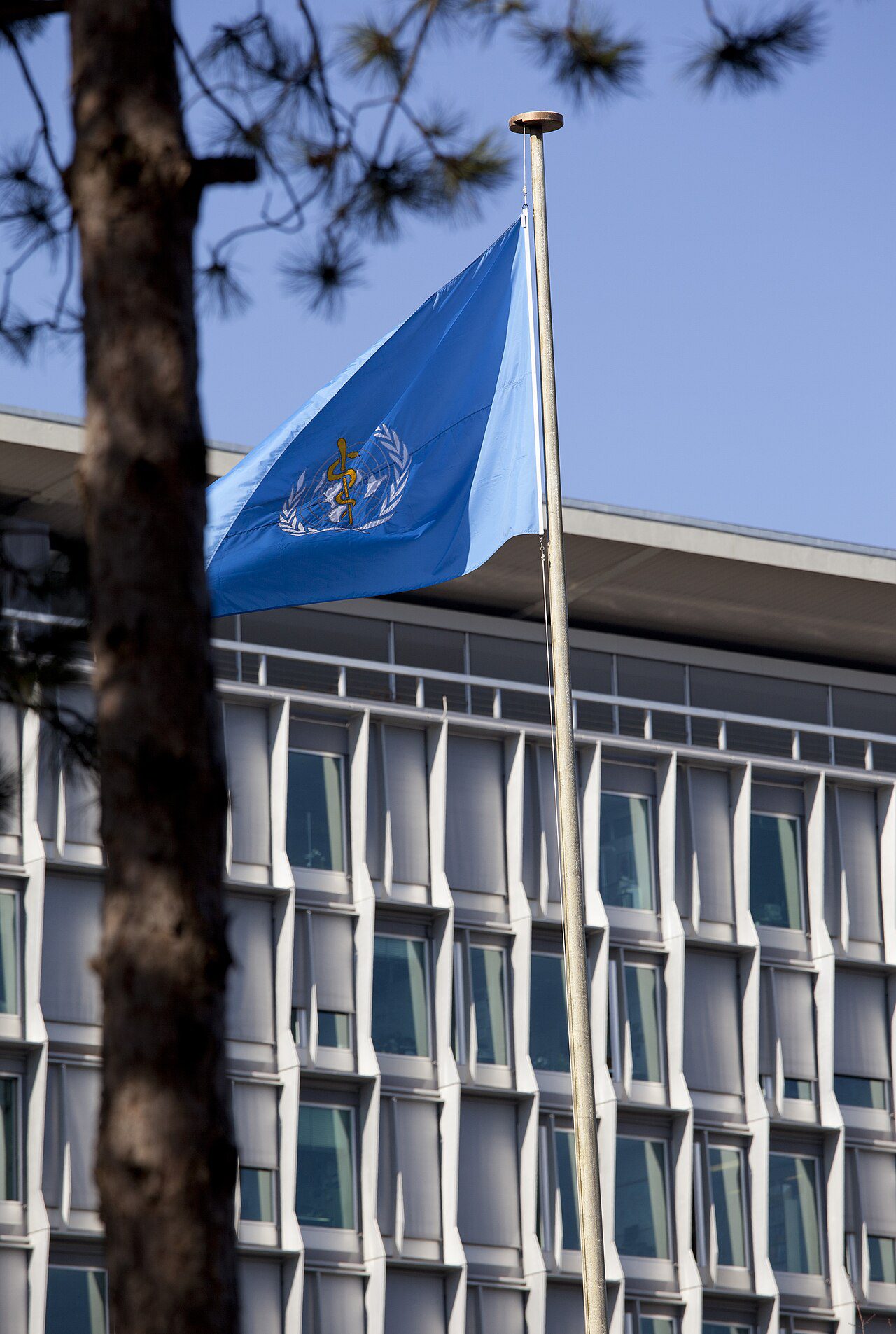
Beyond the epidemiology, the outbreak is a live examination of international law and institutions. The World Health Organization (WHO), a specialised agency of the United Nations headquartered in Geneva, coordinates the global response. Its principal legal instrument is the International Health Regulations (IHR), 2005 — a binding treaty that obliges member states to build core surveillance capacities and to notify the WHO promptly of events that may constitute an international threat. Where an outbreak meets the threshold, the WHO Director-General, advised by an Emergency Committee, may declare a Public Health Emergency of International Concern (PHEIC), unlocking coordinated international support and recommendations.
The DRC episode illustrates a recurring tension: the IHR create binding obligations, but containment ultimately depends on national capacity — functioning hospitals, paid workers and trusted communities — that international declarations alone cannot supply.
🏛️ Constitutional / Legal Framework
- World Health Organization (WHO): UN specialised agency directing and coordinating international health, headquartered in Geneva.
- International Health Regulations, 2005: Binding instrument requiring notification and core capacities for cross-border disease events.
- Public Health Emergency of International Concern (PHEIC): Declared by the WHO Director-General on advice of an Emergency Committee.
- Bundibugyo ebolavirus: The species of Ebola responsible for the current DRC outbreak.
- Contact tracing: Core containment tool; coverage of only ~67% signalled weak epidemiological control.
⚖️ Why This Matters for CLAT
Global health governance is a staple of CLAT current affairs. Aspirants must know that the WHO is a UN specialised agency, that the IHR (2005) are binding, and — crucially — that only the WHO Director-General can declare a PHEIC. Questions often test the difference between an outbreak, an epidemic and a PHEIC, and between binding obligations and mere recommendations under international law.
📌 Key Facts
| Confirmed cases | 2,011 (including 754 deaths) |
| Country | Democratic Republic of Congo (DRC) |
| Epicentre | Bunia, Ituri province |
| Strain | Bundibugyo ebolavirus |
| Declared since | 15 May 2026 |
| Contact-tracing coverage | ~67% |
| Governing instrument | International Health Regulations, 2005 |
As the outbreak outpaces every previous record, the DRC crisis is a reminder that treaties and declarations are only as strong as the health systems asked to enforce them on the ground.
🧠 Memory Aid
“WHO writes the IHR, the DG calls the PHEIC” — institution (WHO), rulebook (IHR 2005), and trigger (PHEIC by the Director-General). Three steps, one chain.
Practice Quiz — 10 CLAT-Style Questions
Click an option to reveal the answer and explanation.