CURRENT AFFAIRS | 22 MAY 2026
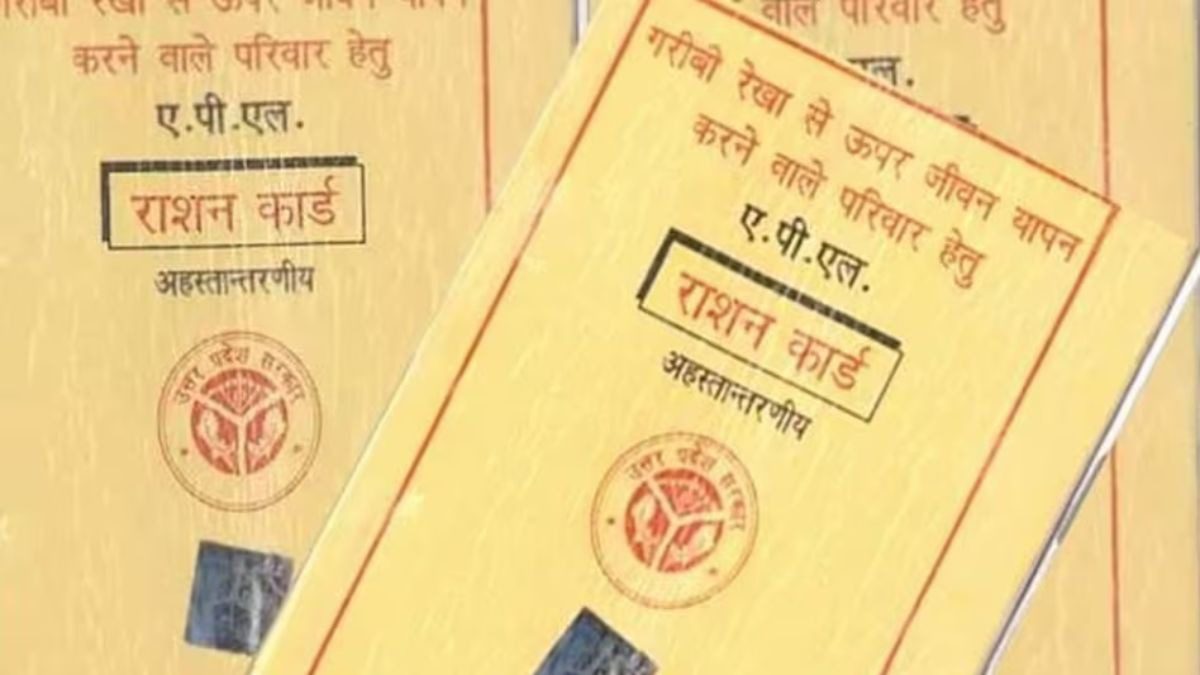
Delhi Chief Minister Rekha Gupta on 21 May 2026 announced that the annual family income cap for new ration cards has been raised from Rs 1.2 lakh to Rs 2.5 lakh under the new Delhi Food Security Rules, 2026 — bringing many more low-income and lower-middle-class families under the Public Distribution System (PDS). Online applications via the Delhi e-District portal opened on 15 May 2026, ending a roughly 13-year freeze on fresh ration card issuance in the national capital.
The revision is more than a numerical tweak. It widens the net of beneficiaries entitled to subsidised foodgrains under the National Food Security Act, 2013 (NFSA), in a city where rising rent, school fees, transport and household inflation have eroded real purchasing power. Delhi CM Rekha Gupta announced that 7.72 lakh new ration card spots have been opened in the system following a sweeping clean-up exercise.
Key Facts at a Glance
| Date of announcement | 21 May 2026 |
| Income cap revision | Rs 1.2 lakh → Rs 2.5 lakh per annum per family |
| New spots opened | 7.72 lakh |
| Duplicate holders flagged | 23,394 |
| Above income limit (filtered) | 6,46,123 |
| Deceased on rolls | 6,185 |
| Inactive 1+ year | 95,682 — being re-verified |
| Portal | Delhi e-District (applications opened 15 May 2026) |
Constitutional & Statutory Framework
- Article 21 — Right to food has been read as part of the right to life. PUCL v Union of India (Right to Food case, 2001) anchored this jurisprudence.
- Article 47 (DPSP) — duty of the State to raise the level of nutrition and standard of living.
- National Food Security Act, 2013 — covers 75% of rural and 50% of urban population through TPDS. Categories: Antyodaya Anna Yojana (AAY), Priority Households (PHH).
- Delhi Food Security Rules, 2026 — operationalises NFSA in NCT; sets the income cap and eligibility.
- Targeted Public Distribution System (TPDS) — Centre bears the food-subsidy bill; states bear intra-state transport and distribution costs.
How NFSA Categories Work
Under NFSA 2013, two beneficiary categories receive subsidised foodgrains: Antyodaya Anna Yojana (AAY) — the poorest of the poor, entitled to 35 kg per family per month — and Priority Household (PHH), entitled to 5 kg per person per month. Subsidised prices: rice Rs 3/kg, wheat Rs 2/kg, coarse grain Rs 1/kg. States identify beneficiaries within their NFSA allocation. The 2026 Delhi reform expands the PHH pool by widening the eligibility window.
Mnemonic — ‘NFSA-21’
National Food Security Act 2013 · Family income Rs 2.5L cap · Statutory right to food · AAY + PHH categories · 21 (Article 21 — right to life)
The Clean-up Exercise — Why Numbers Tell a Story
Behind the headline number — 7.72 lakh new spots — is a database hygiene story. Delhi audited its existing rolls and found 23,394 duplicate ration card holders, 6,185 deceased persons still on rolls, and 6,46,123 families above the previous income limit. Another 95,682 beneficiaries had not availed ration for over a year. Removing them creates the headroom for the new applicants. 3,72,367 fresh applications have already been submitted via the e-District portal.
This is a quiet but important shift: welfare administration in India is moving from paper-based eligibility to digital-portal-based real-time verification. The same idea now governs PMAY-U (housing), Ayushman Bharat (health), PM-Kisan (income support), and PMJAY (insurance) — what jurists call the rise of “techno-welfare”.
The Constitutional Backdrop — Right to Food
The doctrinal anchor for ration-card policy is PUCL v Union of India (Writ Petition Civil 196/2001) — the famous Right to Food case. The Supreme Court, in a continuing mandamus that ran for years, held that the right to food flows from the right to life under Article 21. It directed states to operationalise food schemes, appointed Commissioners to monitor compliance, and converted DPSP Article 47 (raising nutrition levels) from a non-justiciable directive into a justiciable obligation when linked to Article 21.
The PUCL judgment fed directly into the NFSA 2013, which made the right to food a statutory entitlement — not merely a benefit. Section 3 of NFSA gives entitled persons a legal claim to 5 kg of foodgrains per month at subsidised prices. If a state fails to deliver, the beneficiary can approach a District Grievance Redressal Officer and, ultimately, courts.
Practice Quiz — 10 CLAT-Style Questions
Click an option to reveal the answer and explanation.
Why This Matters for CLAT 2027
Welfare-rights jurisprudence is core CLAT territory and the Delhi ration-card reform is a near-perfect Legal Reasoning passage. First, the constitutional question: from where does the right to food derive? Article 21 (Fundamental Right) and Article 47 (DPSP) interact in classic textbook fashion. The Supreme Court in PUCL v UoI bridged the two — converting a non-enforceable directive principle into an enforceable right by reading it into the right to life. CLAT passages routinely test whether students understand this “harmonious construction” — the technique of reading FRs and DPSPs together rather than as silos.
Second, the statutory architecture. NFSA 2013 is a paradigm shift — from welfare as benevolence to welfare as entitlement. Section 3 grants subsidised foodgrains as a matter of right; Sec. 8 promises school meal entitlements; Sec. 11 promises maternity benefits. Understanding “entitlement language” versus “directive language” is critical for legal interpretation questions.
Third, the federal split. Food security is on the Concurrent List (Entry 33 — trade and commerce in foodstuffs). The Centre bears the food subsidy; states identify beneficiaries and bear distribution costs. NCT Delhi being a Union Territory with a Legislative Assembly adds another layer — Delhi can legislate within the limits set by the Government of NCT of Delhi Act, 1991 and the 69th Amendment.
Fourth, the digital-governance angle. The e-District portal, Aadhaar-linked entitlements and ration card de-duplication form an emerging body of “digital welfare law” — a topic that has appeared in essay-type questions and AILET passages over the last three years. Issues include: privacy under Puttaswamy (2017), exclusion errors due to biometric mismatches, and the right against denial of welfare for purely technical glitches.
For CLAT 2027 aspirants, the lesson is integrative: a single PDS reform can be unpacked across Article 21, Article 47, NFSA 2013, the PUCL judgment, federal cost-sharing and the rise of techno-welfare. Carry that frame into the exam — and you’ll find ration cards, MNREGA, PM-KISAN, Ayushman Bharat all become variations of the same legal-constitutional grammar.