

Government Bans 16 Fixed-Dose Combination Drugs: Tackling Irrational Prescribing and Antimicrobial Resistance
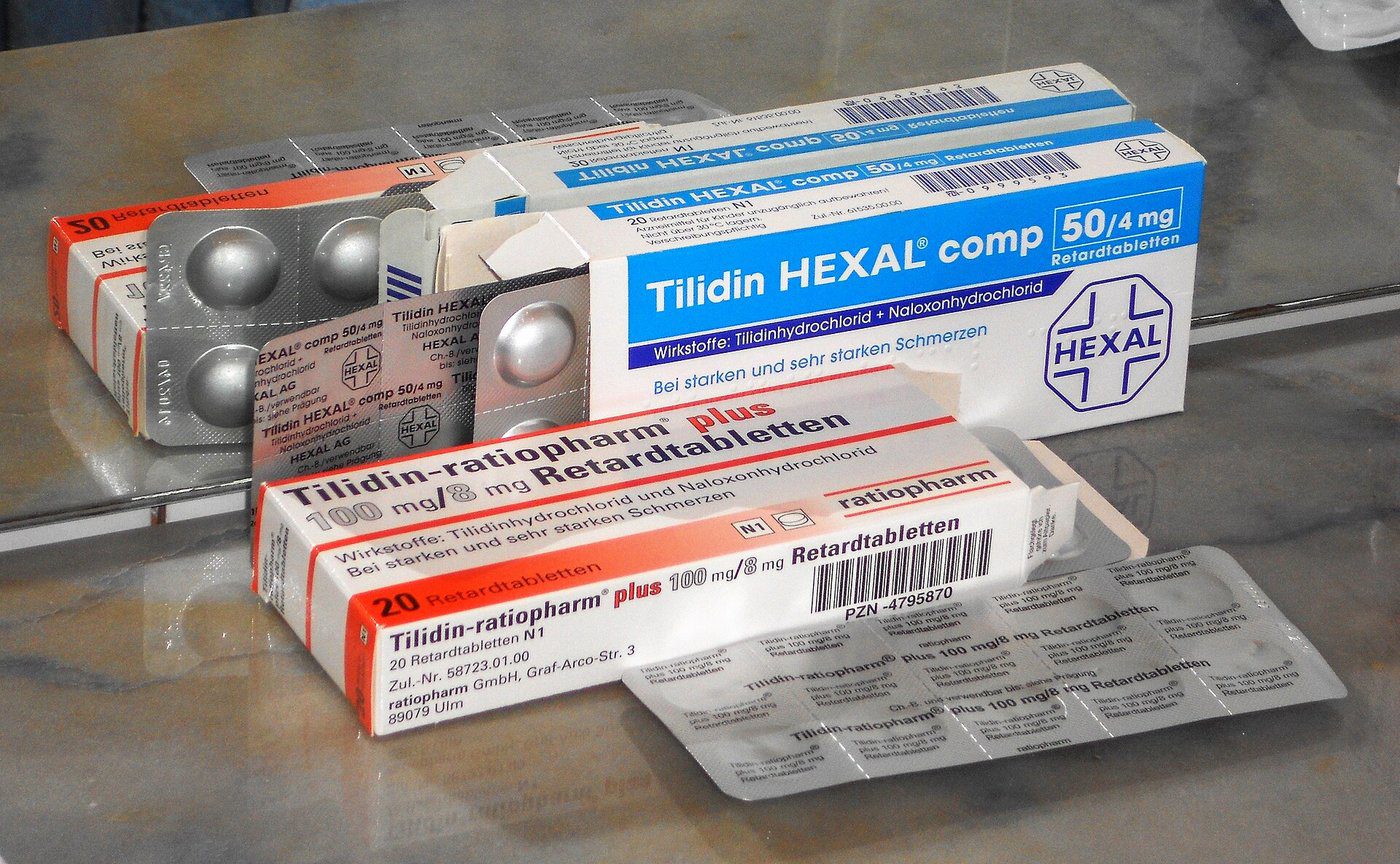
India’s Central Drugs Standard Control Organisation (CDSCO), acting under the authority of the Drugs Controller General of India (DCGI), has notified the ban of 16 fixed-dose combination (FDC) drugs — a decisive regulatory move aimed at weeding out formulations whose claimed therapeutic advantages are not supported by scientific evidence. The banned products span antibiotic combinations, dermatological creams containing herbal and steroidal ingredients, and enzyme-antibiotic blends that have circulated in the Indian market for years without rigorous clinical justification.
Fixed-dose combinations, when rationally designed and evidence-backed, are powerful tools in modern medicine — HIV regimens, tuberculosis treatment, and hypertension management all rely on them. But when an FDC bundles ingredients whose combined action cannot be demonstrated to outperform single-agent therapy, the formulation is deemed “irrational.” The government’s latest action extends a decade-long regulatory campaign to clean up India’s pharmaceutical market, and it carries significant implications for public health, the fight against antimicrobial resistance (AMR), and constitutional rights rooted in Article 21.
What Is a Fixed-Dose Combination?
An FDC (Fixed-Dose Combination) is a pharmaceutical preparation containing two or more active pharmaceutical ingredients (APIs) in a single dosage form — a single tablet, capsule, or syrup. The rationale for legitimate FDCs is straightforward: combining drugs that work synergistically, improve adherence (fewer pills mean patients are more likely to comply), or address multiple aspects of a disease simultaneously can improve clinical outcomes.
The World Health Organization (WHO) Essential Medicines List includes a curated set of evidence-based FDCs — Lopinavir/Ritonavir for HIV, Rifampicin/Isoniazid/Pyrazinamide for tuberculosis, and Amoxicillin/Clavulanic acid (Augmentin 625) for infections caused by beta-lactamase-producing bacteria. The key distinction the WHO draws is between formulations where the combination is pharmacologically justified and those where it is not.
Among the products now banned is a combination of amoxicillin and serratiopeptidase — an antibiotic paired with an enzyme sometimes marketed as an anti-inflammatory. Scientific review found no clinical evidence that serratiopeptidase enhances the efficacy of amoxicillin in treating bacterial infections; its inclusion potentially exposes patients to a substance without proven benefit. Similarly, certain dermatological creams combining a corticosteroid, an antifungal, and aloe vera or other herbal ingredients were found to lack therapeutic justification for the combination as a whole.
The Regulatory Architecture: CDSCO, DCGI, and the Drugs & Cosmetics Act
India’s pharmaceutical regulatory ecosystem is anchored in the Drugs & Cosmetics Act, 1940 and the Drugs & Cosmetics Rules, 1945. The central regulatory authority is the CDSCO, headed by the DCGI, which operates under the Ministry of Health and Family Welfare. The DCGI is responsible for approving new drugs, clinical trials, and setting manufacturing standards.
A critical structural tension in India’s drug regulation has historically been the division between central and state licensing authorities. Under Schedule M and the Rules, manufacturing licences for many categories of drugs are granted by State Drug Controllers rather than the central authority. For decades, pharmaceutical companies exploited this federal friction by obtaining approvals for new FDCs from state authorities — often without the rigorous clinical trial data that central approval requires. Estimates suggest that thousands of FDCs entered the market this way, many of which were never subjected to proper safety and efficacy evaluation.
The Kokate Committee (appointed in 2014) reviewed this proliferation and flagged a large number of FDCs as irrational or potentially harmful. In 2016, the government issued a ban on 344 FDCs under Rule 26A of the Drugs & Cosmetics Act, triggering a legal challenge by pharmaceutical manufacturers in the Supreme Court. The Court’s subsequent scrutiny reinforced the government’s authority to ban such formulations but mandated that each case rest on proper expert deliberation. The latest round of 16 bans continues this systematic post-reform clean-up.
Antimicrobial Resistance: The Deeper Public Health Concern
Antimicrobial resistance (AMR) is among the most consequential global public-health threats of the 21st century. The WHO has declared AMR one of the top ten threats to global health. In India, the burden is acute: the country is one of the world’s largest consumers of antibiotics, and resistant strains of pathogens — including multi-drug resistant tuberculosis, carbapenem-resistant Klebsiella, and methicillin-resistant Staphylococcus aureus — are increasingly prevalent.
Irrational antibiotic FDCs contribute to AMR in multiple ways. First, they may combine antibiotics with no demonstrated synergistic benefit, meaning the patient is exposed to a second antibiotic — and its associated selective pressure on bacteria — without therapeutic gain. Second, combination formulations sometimes allow sub-therapeutic dosing of individual components, which is precisely the condition under which bacteria develop resistance. Third, ease of availability of prepackaged combinations encourages over-the-counter dispensing and self-medication.
Dr Kamini Walia of the Indian Council of Medical Research (ICMR) has highlighted that irrational FDCs are a driver of AMR in India, particularly in the context of antibiotics prescribed for respiratory and urinary tract infections. The ICMR’s AMR surveillance data consistently shows rising resistance rates to commonly used antibiotic classes — resistance that is fuelled partly by irrational prescribing and dispensing patterns.
The One Health framework, endorsed by the WHO, the Food and Agriculture Organization (FAO), and the World Organisation for Animal Health (WOAH), recognises AMR as a challenge that sits at the intersection of human health, animal health, and environmental health. Antibiotic use in livestock and fisheries contributes to resistance genes circulating in the environment, eventually reaching human pathogens. Regulatory action on irrational antibiotic FDCs in human medicine is thus one prong of a broader AMR containment strategy.
The Precautionary Principle and Consumer Protection
The government’s decision to ban these 16 FDCs is grounded in the precautionary principle — a foundational doctrine in environmental and public health law that holds that where an activity poses a risk of harm to the environment or human health, precautionary measures should be taken even if some cause-and-effect relationships are not fully established scientifically. In the pharmaceutical context, this translates into the principle that a drug should not remain in the market if its risk-benefit profile is unfavourable or unknown.
From a consumer protection standpoint, irrational FDCs harm patients in three ways: they expose patients to unnecessary APIs and their adverse effects; they inflate healthcare costs (combination drugs typically cost more than equivalent single-agent therapy); and they may create a false sense of therapeutic comprehensiveness. The Consumer Protection Act, 2019 recognises the right to safety and the right to information as fundamental consumer rights — rights that are undermined when products of unproven efficacy remain on pharmacy shelves.
India’s National List of Essential Medicines (NLEM) is periodically revised to align with evidence-based prescribing. The 2022 revision of the NLEM, which added several new medicines and removed others, reflects a policy trajectory favouring rational pharmacotherapy — a trajectory that FDC regulation reinforces.
Article 21 and the Right to Health
The right to health is not expressly enumerated in Part III of the Constitution of India, but the Supreme Court has, through an expansive interpretation of Article 21 (right to life and personal liberty), held that the right to life encompasses the right to health and access to quality healthcare. Landmark cases such as Paschim Banga Khet Mazdoor Samity v. State of West Bengal (1996) and Vincent Panikurlangara v. Union of India (1987) have reinforced this position.
In the FDC context, Article 21 operates in two directions simultaneously. First, the state has a positive obligation to ensure that drugs available to citizens are safe and effective — an obligation that FDC regulation fulfils. Second, any ban on a drug must comply with principles of natural justice: manufacturers must be heard, expert committees must deliberate, and the government must record its reasons. Courts have set aside drug bans that failed this procedural test, which is why the current bans are preceded by technical expert committee reviews under Section 26A of the Drugs & Cosmetics Act.
Industry Impact and the Road Ahead
The Indian pharmaceutical industry, the world’s third-largest by volume, produces a vast number of FDCs — estimates suggest India had over 6,000 unapproved FDCs in circulation before the post-2016 clean-up began. While individual bans affect specific manufacturers, the broader regulatory tightening has pushed the industry toward greater investment in clinical data generation and away from the shortcut of state-level approvals.
The New Drugs and Clinical Trials Rules, 2019 strengthen the framework by requiring clinical trial data for all new drugs and FDCs seeking central approval. Going forward, FDC manufacturers must demonstrate not merely that each component is individually safe, but that the combination itself offers a clinical advantage over single-agent therapy — a higher bar that should, over time, reduce the proliferation of irrational combinations.
International regulatory bodies like the US Food and Drug Administration (FDA) and the European Medicines Agency (EMA) apply this combination-benefit standard as a matter of course. India’s convergence with these standards improves the global competitiveness of Indian pharmaceutical exports while simultaneously protecting domestic patients.
Why This Matters for CLAT
- Constitutional Law: The FDC ban engages Article 21 (right to health as part of right to life) and the state’s parens patriae duty to protect citizens’ health — core themes in CLAT legal reasoning passages.
- Statutory Interpretation: The Drugs & Cosmetics Act, 1940, Rule 26A, and the interplay of central versus state licensing authority illustrate federal legislative frameworks that appear in CLAT passages on Centre-State relations.
- Consumer Rights: The Consumer Protection Act, 2019, and the right to safe goods are tested in CLAT’s legal reasoning sections through fact-pattern questions on product liability and consumer redressal.
- Environmental and Public Health Law: AMR as a One Health issue connects to international conventions, the precautionary principle, and environmental jurisprudence — all areas from which CLAT draws passage topics.
- General Awareness: CDSCO, DCGI, NLEM, and India’s AMR strategy are frequently tested as static GK and current-affairs items in CLAT’s GK section.
Conclusion
The ban on 16 FDCs is not merely a pharmaceutical regulatory action — it is a statement of public health values. It signals that therapeutic convenience cannot override scientific integrity, that market proliferation must yield to evidence-based medicine, and that the fight against antimicrobial resistance requires decisive regulatory will. For India, a country with one of the world’s highest burdens of infectious disease and drug-resistant pathogens, rational drug regulation is not bureaucratic formalism but a public health imperative. The constitutional guarantee of the right to life demands no less.
For CLAT aspirants, this issue is a rich intersection of constitutional law, statutory frameworks, consumer protection, and contemporary science policy — precisely the kind of multi-dimensional topic that the exam’s reading comprehension and legal reasoning sections are designed to test.
Test Yourself — Daily Quiz
Practice Quiz — 10 CLAT-Style Questions
Click an option to reveal the answer and explanation.