CURRENT AFFAIRS | 15 JUNE 2026
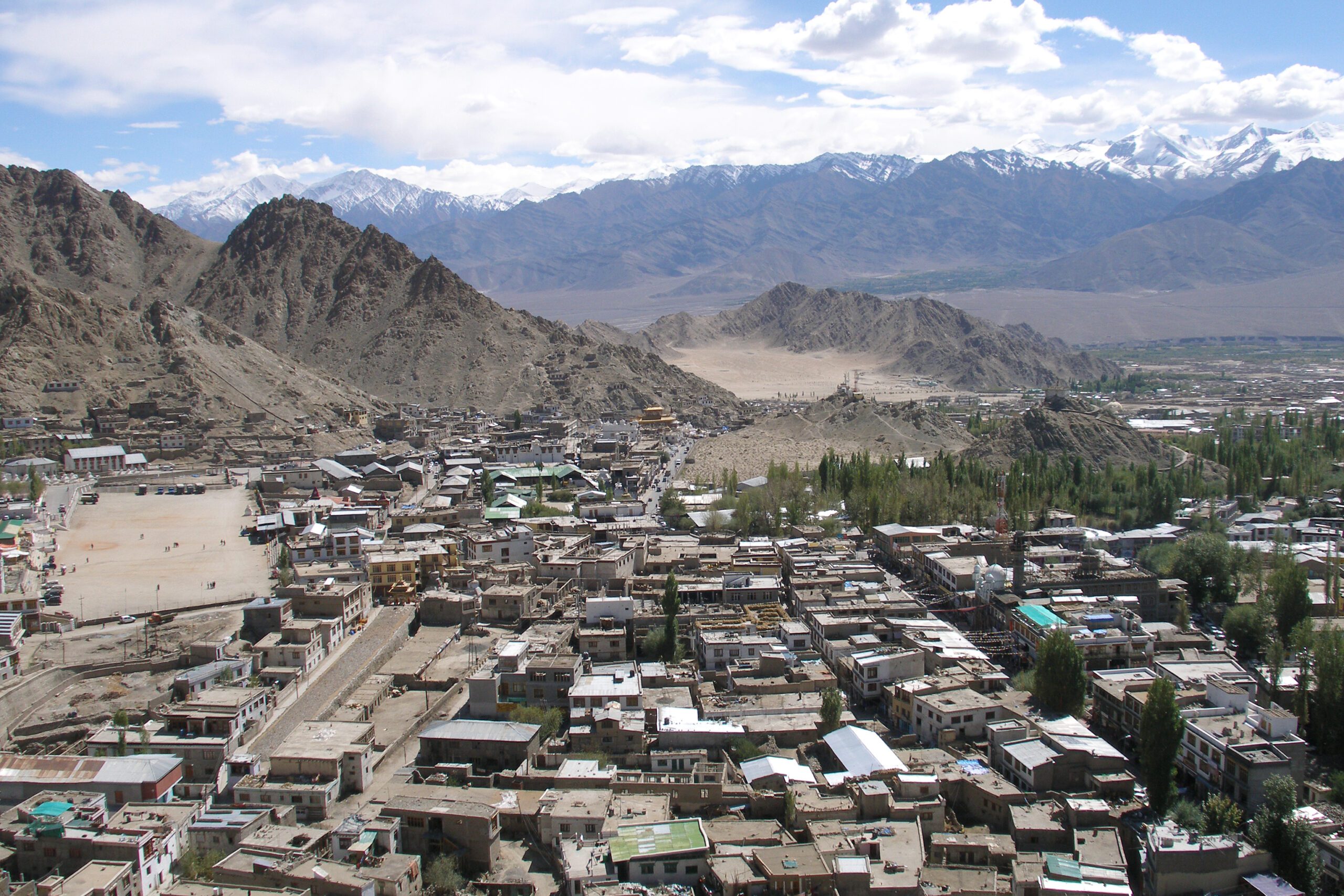
The agreement between the Ministry of Home Affairs (MHA) and Ladakh’s civil-society leaders — the Leh Apex Body (ABL) and the Kargil Democratic Alliance (KDA) — has hit a roadblock over the non-inclusion of certain points from the minutes of the May 22 meeting. A clause giving the administrative head a say in the posting of bureaucrats was reportedly omitted from the minutes.
Ladakh is currently a Union Territory without a legislature following the 2019 reorganisation of Jammu & Kashmir. The ABL and KDA seek a “representative administration” and a solution modelled on Articles 371A, 371F and 371G. Their core demands are Statehood, Sixth Schedule status (tribal autonomy), a Public Service Commission, and parliamentary representation.
The bodies argue that if the chief executive has no jurisdiction over services, the post becomes “toothless” — a Chief Minister in name only. The movement, led by activist Sonam Wangchuk, has featured repeated hunger strikes. The MHA has said it has not yet located the omissions flagged in the Minutes of Meeting.
Constitutional / Legal Framework
The Sixth Schedule (Article 244) provides for autonomous district and regional councils in the tribal areas of Assam, Meghalaya, Tripura and Mizoram. Special provisions under Article 371A (Nagaland), 371F (Sikkim) and 371G (Mizoram) grant tailored constitutional safeguards. As a UT, Ladakh is administered under Article 239; a legislature would require provisions akin to Article 239A. The framework stems from the Jammu & Kashmir Reorganisation Act, 2019, which carved Ladakh into a separate UT.
CLAT Angle
This is a goldmine for federalism and special-provisions questions: the Sixth Schedule states (Assam, Meghalaya, Tripura, Mizoram), the Article 371-series safeguards, and the UT-vs-State distinction. Examiners frequently test which states fall under the Sixth Schedule versus Fifth Schedule, and the legal basis of the J&K reorganisation.
Key Facts
| Bodies | Leh Apex Body (ABL) + Kargil Democratic Alliance (KDA) |
| Counterpart | Ministry of Home Affairs (MHA) |
| Trigger | Omissions from May 22 meeting minutes |
| Demands | Statehood, Sixth Schedule, PSC, Parliament seats |
| Status | UT without legislature (since 2019) |
| Face of movement | Sonam Wangchuk |
Mnemonic / Memory Hook
“A MeMbeR To Mizoram” for the Sixth Schedule states: Assam, Meghalaya, Tripura, Mizoram. For special provisions recall “NSM = 371 A-F-G”: Nagaland (371A), Sikkim (371F), Mizoram (371G).
Why this matters for CLAT 2027: Federalism, the Sixth Schedule, and the Article 371-series special provisions are high-frequency CLAT Polity themes, and the Ladakh statehood debate keeps them in the news. Lock in the four Sixth Schedule states, the 371 A/F/G mapping, and the UT-vs-State distinction to score on CLAT 2027 Polity passages.
Practice Quiz — 10 CLAT-Style Questions
Click an option to reveal the answer and explanation.