CURRENT AFFAIRS | 29 JUNE 2026
The Indian rupee has clawed back ground. After sliding to around ₹96.6 per US dollar at the height of the Iran conflict, it has recovered to roughly ₹94.4 per dollar. Behind the bounce: Brent crude easing to about $72.6 a barrel, the benchmark 10-year government bond (G-sec) yield falling below 6.8%, and strong Foreign Portfolio Investor (FPI) inflows of around $5.2 billion into Indian debt in June — a textbook “war-premium unwind.” For a CLAT aspirant, this is the cleanest way to learn how oil, the rupee, the RBI and foreign capital all move together.
The chain of cause and effect is the lesson. India imports the bulk of its crude oil, so when oil prices fall, the oil import bill shrinks, the current account looks healthier, fewer dollars leave the country, and the rupee strengthens. Lower oil also cools inflation, which lets bond yields fall — and stronger, more stable returns then pull in foreign investors.
Conceptual & Institutional Framework
- RBI — the Reserve Bank of India, the central bank that manages the rupee, foreign-exchange reserves and monetary policy; it can intervene in currency markets to smooth volatility.
- FPI — Foreign Portfolio Investment: foreign money in Indian stocks and bonds. It is “hot money” — quick to enter and exit — unlike longer-term Foreign Direct Investment (FDI).
- Current Account — the record of a country’s trade in goods and services plus income; a high oil bill widens the deficit, a lower one narrows it.
- Rupee appreciation — when fewer rupees buy one dollar (96.6 → 94.4), the rupee has strengthened; the reverse is depreciation.
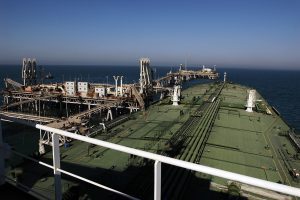
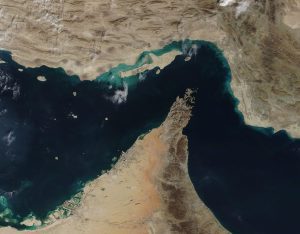
The phrase “war-premium unwind” captures the reversal. When conflict threatened the Strait of Hormuz, markets priced in a risk that oil supply could be choked, pushing crude — and India’s import costs — up. As the ceasefire steadied shipping, that fear premium drained out, oil fell below pre-war levels, and the pressure on the rupee reversed. Falling G-sec yields signalled calmer inflation expectations, and FPIs, chasing relatively attractive and stable Indian debt, poured in dollars — further supporting the currency.
The CLAT Angle
Economics-flavoured Current Affairs passages reward clear cause-effect reasoning. Be sure you can:
- Distinguish appreciation (fewer rupees per dollar) from depreciation — a constant trap.
- Explain why falling crude helps the rupee via the oil import bill and current account.
- Tell apart FPI (portfolio, “hot money”) from FDI (direct, long-term).
- Identify the RBI as the rupee’s manager and the issuer of government bonds (G-secs) on the government’s behalf.
A passage may state “oil prices fell sharply” and ask the most likely effect on the rupee — the answer is appreciation, all else equal.
Key Facts at a Glance
| Rupee move | ~₹96.6 → ~₹94.4 per US dollar (appreciation) |
| Brent crude | eased to ~$72.6 / barrel |
| 10-yr G-sec yield | below 6.8% |
| FPI (debt, June) | ~$5.2 billion inflow |
| Central bank | Reserve Bank of India (RBI) |
| Driver | “War-premium unwind” after Hormuz calm |
One subtlety worth knowing: a stronger rupee is not an unmixed blessing. It makes imports (and foreign study, travel) cheaper and eases inflation, but it can dent the competitiveness of India’s exporters, who earn fewer rupees per dollar of sales. That is why the RBI usually aims to curb sharp volatility rather than fix the rupee at any particular level. And because FPI flows can reverse quickly, today’s tailwind can become tomorrow’s headwind if global risk sentiment sours.
Memory Mnemonic
“Oil Down → Rupee Up” — the core reflex chain:
- Crude falls → import bill shrinks → current account improves → rupee appreciates.
Currency rule: “Fewer rupees per dollar = stronger rupee.”
For CLAT 2027, treat this as your model macro story. Internalise the “oil down, rupee up” chain, the appreciation-vs-depreciation rule, and the FPI/FDI and RBI roles — and any currency-and-crude passage becomes a quick, confident set of marks.
Practice Quiz — 10 CLAT-Style Questions
Click an option to reveal the answer and explanation.