CURRENT AFFAIRS | 27 MAY 2026
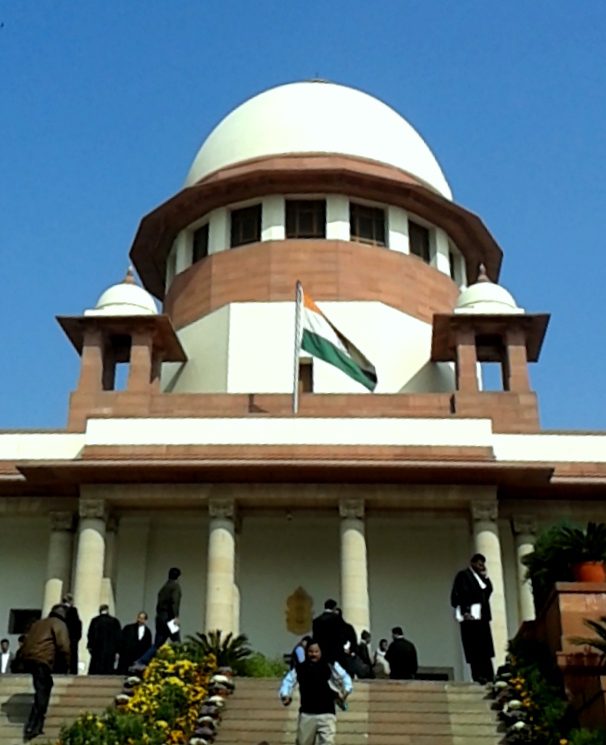
The Supreme Court bench led by CJI Surya Kant and Justice Joymalya Bagchi has reserved its verdict on a clutch of petitions challenging the constitutional validity of the Special Intensive Revision (SIR) of electoral rolls in Bihar. With the verdict expected today, the case sits at the intersection of Article 326 (universal adult suffrage), the Representation of the People Acts and the ECI’s power to scrutinise citizenship while purging rolls. For CLAT 2027, this is a textbook current-affairs-to-polity bridge.
Constitutional Framework
- Article 324: Vests superintendence, direction and control of elections in the ECI.
- Article 326: Mandates elections on the basis of adult suffrage — every citizen above 18.
- Article 327: Empowers Parliament to legislate on electoral rolls and conduct of elections.
- RP Act, 1950 (Section 16): Lists disqualifications for registration in an electoral roll, including non-citizenship.
- Article 11: Reserves citizenship determination exclusively to Parliament — the petitioners’ core ground.
Key Facts
| Bench | CJI Surya Kant + Justice Joymalya Bagchi |
| Verdict reserved on | 29 January 2026 |
| Lead petitioner | Association for Democratic Reforms (ADR) |
| Co-petitioners | Mahua Moitra (TMC), Manoj Jha (RJD), K C Venugopal (INC), Supriya Sule (NCP-SP) |
| ECI defence | Art. 326 imposes a duty to ensure only citizens vote |
CLAT Angle
Expect Legal Reasoning passages on federal limits of ECI power, GK on the SIR notification timeline, and questions on Article 326 vs Article 11 overlap. The case may also generate a Reading Comprehension passage on the Bihar floods context, since petitioners argued the exercise was carried out in haste leading to disenfranchisement of minorities.
Memory Hook
“3-2-6 = Adult Suffrage; 3-2-4 = ECI Boss” — Article 326 grounds the vote, Article 324 grounds the regulator. ECI defends the SIR under 326; petitioners say it strays into Article 11 (citizenship) — a Union-Parliament domain.
Why CLAT Matters
The SIR verdict will reshape how India treats the silent stage of democracy — the electoral roll itself. A ruling that limits ECI’s power to adjudicate citizenship would tighten the federal balance and rewrite manuals for every future revision. CLAT 2027 will almost certainly carry a passage from this judgement: be ready to identify the ratio, the obiter, and the doctrinal interplay between Articles 324, 326 and 11.
Practice Quiz — 10 CLAT-Style Questions
Click an option to reveal the answer and explanation.