CURRENT AFFAIRS | MARCH 23, 2026 | CLAT GK + INTERNATIONAL ORGANISATIONS
As the 14th WTO Ministerial Conference (MC14) approaches in Cameroon (March 26-28, 2026), India has taken a firm stand against two China-pushed deals: a permanent moratorium on customs duties on electronic transmissions (e-commerce) and an Investment Facilitation Agreement. India argues these measures benefit rich countries and digital superpowers — primarily China — while costing developing nations billions in tariff revenue and expanding WTO beyond its legitimate mandate.
Why CLAT 2027 Aspirants Must Know This
International trade law and the WTO are tested in CLAT GK and Legal Reasoning. Key concepts: WTO’s core mandate (GATT, GATS, TRIPS), MFN and National Treatment principles, Special and Differential Treatment for developing nations, and the Doha Development Round. This article connects WTO architecture to India’s current diplomatic stand.
Key Facts at a Glance
- MC14 (14th WTO Ministerial Conference): March 26-28, 2026, Cameroon — first MC in Africa
- India opposes permanent moratorium on customs duties on e-commerce transmissions
- India’s objection: Moratorium benefits digital superpowers (US, China) — denies tariff revenue to developing nations (est. $50 billion/year globally)
- India also opposes the Investment Facilitation Agreement (IFA) — argues it expands WTO beyond its trade mandate
- WTO’s core mandate covers: Goods (GATT), Services (GATS), Intellectual Property (TRIPS)
- India leads a coalition of developing nations (South Africa, Indonesia, others) on this issue
- Special and Differential Treatment (S&DT): WTO provisions giving developing nations more flexibility
- Doha Development Round (launched 2001): Largely stalled due to disagreements on agriculture subsidies
- India won a landmark WTO case against the US on solar panels domestic content requirements
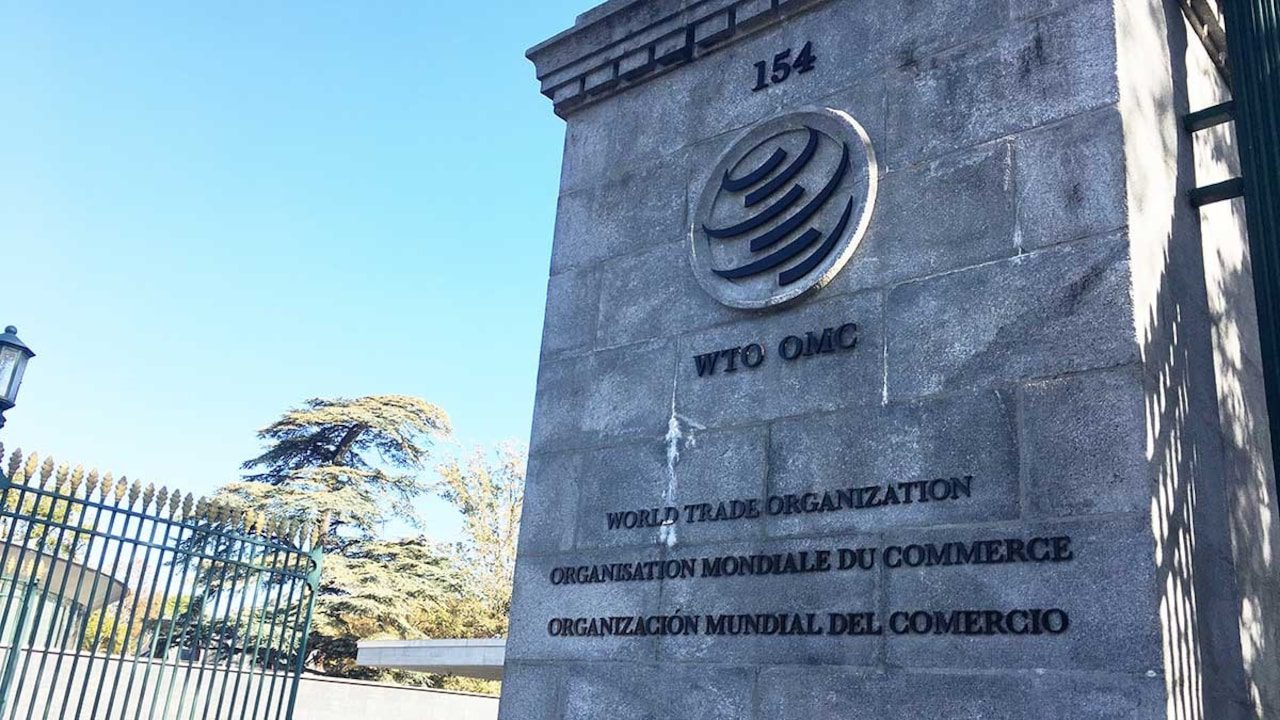
- WTO is headquartered in Geneva, Switzerland; replaced GATT in 1995
Key Terms and Definitions
| Term | Definition |
|---|---|
| WTO | World Trade Organization — international body governing global trade rules; replaced GATT in 1995; HQ: Geneva; 164+ members |
| MFN (Most Favoured Nation) | GATT Article I principle: any trade advantage given to one WTO member must be extended to ALL other members equally |
| National Treatment | GATT Article III: imported goods must be treated no less favourably than domestically produced goods once inside a market |
| S&DT | Special and Differential Treatment — WTO provisions giving developing and least-developed countries more flexibility, longer timelines, and lighter obligations |
| TRIPS | Trade-Related Aspects of Intellectual Property Rights — WTO agreement setting minimum standards for patents, copyrights, trademarks globally |
Constitutional and Legal Framework
- WTO replaced GATT in 1995 — GATT was a trade agreement (1947); WTO is a formal international organisation with binding dispute settlement
- GATT Article I (MFN): Non-discrimination in trade — equal treatment for all members
- GATT Article III (National Treatment): Imported goods treated equally to domestic goods within a market
- TRIPS Agreement: Sets global IP standards — directly relevant to India’s pharmaceutical generics (compulsory licensing)
- DSU (Dispute Settlement Understanding): WTO’s legal mechanism for resolving trade disputes — India has filed and defended multiple cases
- Doha Development Round (2001-ongoing): Failed to conclude; major disagreements on agriculture subsidies between US/EU and developing nations led by India
Quick Takeaways for CLAT 2027
- WTO = 1995; replaced GATT (1947); HQ Geneva; 164+ members
- MFN = equal treatment for all WTO members; National Treatment = equal treatment of imports inside market
- WTO’s mandate = Goods (GATT) + Services (GATS) + IP (TRIPS); Investment is NOT part of mandate
- S&DT = developing country flexibility provisions in WTO agreements
- Doha Round (2001) = largely stalled; agriculture subsidies deadlock
- India opposes e-commerce moratorium — costs developing nations ~$50 billion/year in tariff revenue
- MC14 = Cameroon, March 2026 — first WTO Ministerial Conference in Africa
Practice Quiz — 10 CLAT-Style Questions
Click an option to reveal the answer and explanation.